As an Amazon Associate, I earn from qualifying purchases.
To care for poinsettia plants, give them bright, indirect sunlight, keep the soil lightly moist, maintain temperatures between 65 and 75 degrees Fahrenheit, and protect them from cold drafts and excess water. With steady care, you can keep a poinsettia healthy long after the Christmas season.
Across the United States, poinsettias are a favorite part of the winter holiday season. From Christmas displays in New York homes to festive living rooms in California and Texas, these colorful plants bring a warm touch to indoor spaces. Their bright red, pink, white, and cream leaves make them easy to love. However, many people are unsure what to do with them once the holiday decorations come down.
The good news is that poinsettias are not difficult to grow when you understand their basic needs. They enjoy bright light, steady warmth, and soil that drains well. They also need protection from cold winter air, which can be a problem when plants sit near doors or chilly windows.
A poinsettia is more than a short-lived Christmas decoration. It is a tropical perennial that can grow for several years with the right care. The colorful parts that look like flowers are actually modified leaves called bracts. The small yellow structures in the center are the true flowers.
This guide explains how to water, feed, prune, and position your poinsettia. It also covers common problems, seasonal care, and the steps needed to encourage new color for another holiday season. Whether you have just brought one home from a local garden center or want to save an older plant, these simple steps can help.
The right location is one of the easiest ways to keep a poinsettia healthy. These plants need plenty of natural light, steady warmth, and protection from sudden changes in temperature. A good indoor spot helps the colorful bracts stay attractive for longer.
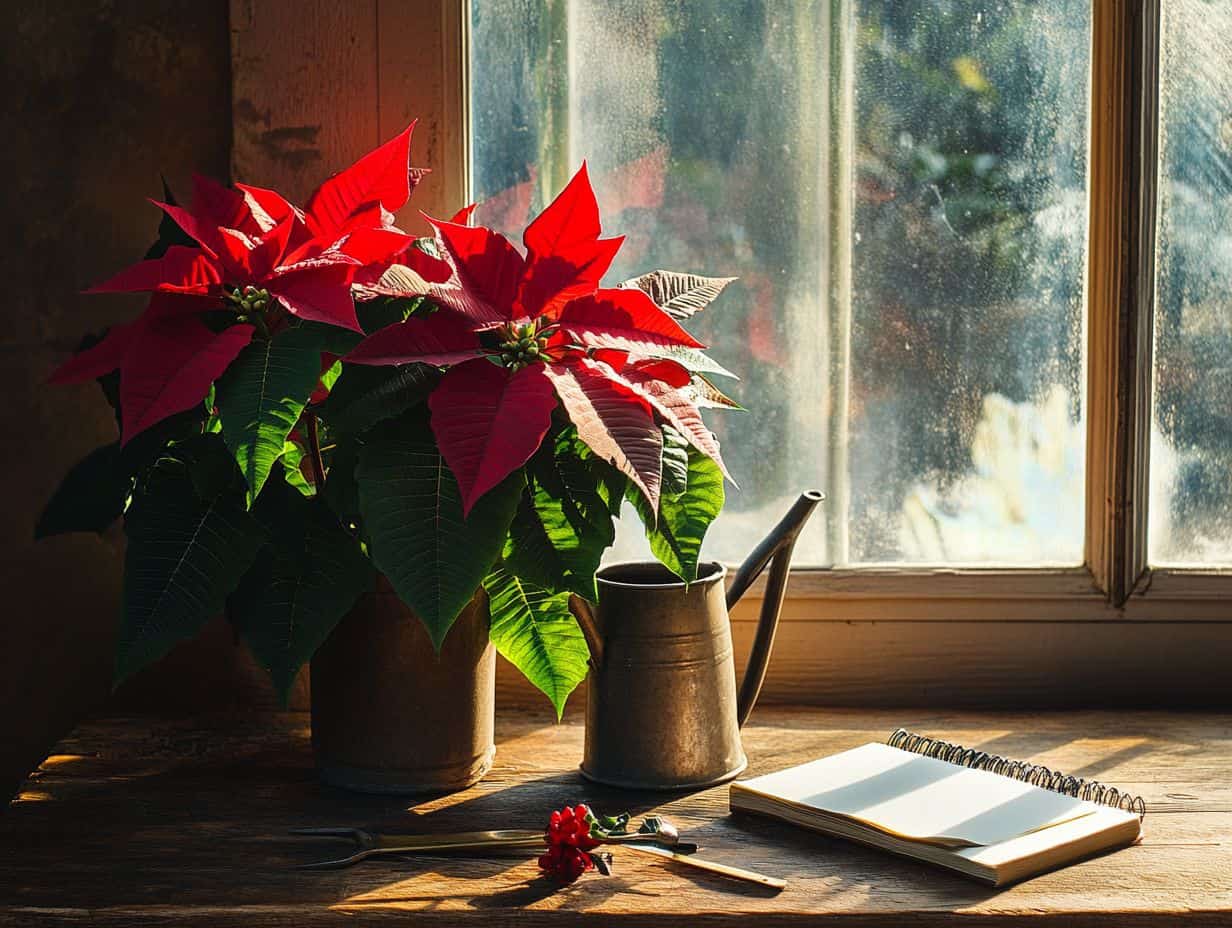
Place your plant near an east-, south-, or west-facing window. A bright room with filtered daylight is usually a good choice. Avoid strong, harsh sunlight through hot glass for long periods, as it can dry the leaves and cause the color to fade.
Keep the leaves from touching cold window glass. During winter in many parts of the United States, glass can become very cold at night. A plant pressed against it may develop damaged leaves or drop its lower foliage.
Also keep the plant away from fireplaces, heating vents, air conditioners, and frequently opened exterior doors. These spots can expose it to sudden changes in heat or cold. A stable location is better than moving the plant around every day.
Source: storage.googleapis.com
Bright, indirect light
Aim for several hours of bright daylight each day. A sunny room with filtered light is a good place to start.
Steady indoor warmth
Keep the plant in a room that stays around 65 to 75 degrees Fahrenheit.
Protection from drafts
Avoid cold windows, exterior doors, fireplaces, heating ducts, and other places with sudden temperature changes.
Enough personal space
Leave room around the plant so air can move freely and the leaves do not press against windows or hot surfaces.
Can Poinsettias Grow in Low Light?
Poinsettias may survive in a room with limited light, but they will not grow as well. Low light can cause weak stems, sparse leaves, and a shorter display period. If the plant starts leaning toward a window, it may be searching for more light.
Move it to a brighter location rather than placing it in direct, intense afternoon sun. Turn the pot a little every week so all sides receive a similar amount of light.
A useful sign
Healthy growth should have firm stems and leaves that remain attached without widespread yellowing or drooping.
What Temperature Is Best for Poinsettias?
A temperature range of 65 to 75 degrees Fahrenheit works well for most indoor poinsettias. They can tolerate small changes, but cold exposure and hot, dry air can shorten the life of their colorful bracts.
Avoid temperatures below 50 degrees Fahrenheit. Even a brief period of cold exposure during winter transport can harm the plant. When bringing a poinsettia home from a store, wrap it well before taking it outdoors.
Avoid cold exposure
Do not leave the plant in a cold vehicle, garage, or unheated entryway.
2. Water Poinsettias the Right Way
Watering is one of the most important parts of poinsettia care. These plants like moist soil, but they do not like sitting in water. Too much moisture can damage the roots and lead to root rot, while very dry soil can cause wilting and leaf drop.
Check the soil before adding water. Press a finger about an inch into the potting mix. If the surface and upper layer feel dry, it is time to water. If the soil still feels damp, wait and check again later.
When watering, take the plant to a sink and slowly add water until it flows through the drainage holes. Allow the pot to drain fully before putting it back in its decorative cover or saucer. Never leave standing water beneath the roots.
Do not follow a strict watering schedule without checking the soil. A plant in a warm, bright room may need water more often than one in a cooler space. Pot size, soil type, and indoor humidity also affect how quickly the mix dries.
Source: thegardeningcook.com
Check the soil first
Water when the upper inch of potting mix feels dry. Avoid watering simply because a certain number of days has passed.
Water thoroughly
Add water slowly until it runs out of the drainage holes. This helps moisten the root area evenly.
Remove excess water
Empty the saucer after watering. Roots need air as well as moisture.
Check decorative covers
Foil wraps and decorative pots can trap water. Remove them or make sure they allow proper drainage.
How Often Should You Water a Poinsettia?
There is no single watering schedule that works for every poinsettia. Many indoor plants need water about once or twice a week, but this is only a general starting point. The soil should guide your decision.
Small pots may dry faster than large ones. Plants near a warm window or heating vent may also lose moisture more quickly. Check the soil regularly during the first few weeks so you can learn how quickly your particular plant dries.
Dry soil
Water thoroughly and let the pot drain.
Damp soil
Wait before watering again.
Waterlogged soil
Empty the saucer, improve drainage, and check for signs of root damage.
What Happens When You Overwater a Poinsettia?
Overwatering can cause yellow leaves, soft stems, drooping, and a decline in plant health. The roots may turn brown or black and develop a damaged appearance. The soil may also smell unpleasant if root decay has started.
If the pot stays wet, stop watering until the upper soil begins to dry. Make sure the drainage holes are open. If the roots are badly damaged, repotting into fresh, well-draining soil may be necessary, although a severely affected plant may not recover.
Best prevention
Use a container with drainage holes and never let the plant stand in a pool of water.
3. Use the Right Soil, Pot, and Fertilizer
A healthy poinsettia needs a growing mix that holds some moisture while allowing extra water to escape. Dense garden soil is usually a poor choice for indoor pots because it can become compacted and stay wet for too long.
Choose a quality, well-draining potting mix made for indoor plants. A mix containing peat or coco coir, along with materials that improve drainage, can work well. The goal is to create a loose growing medium that allows air to reach the roots.
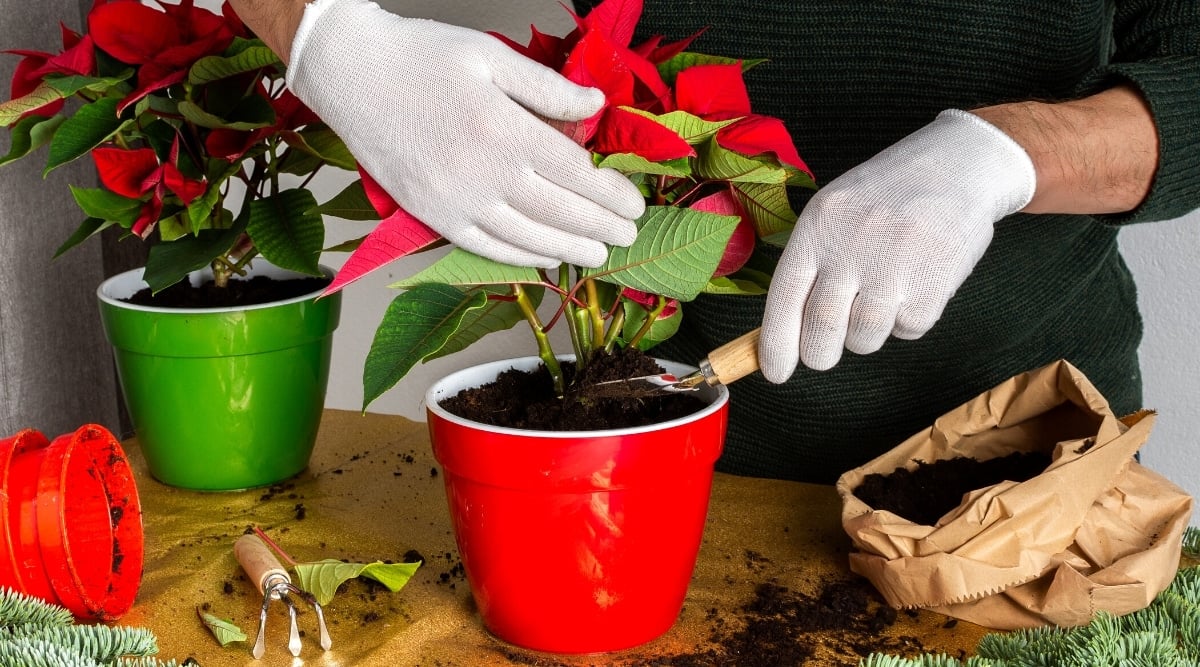
The container matters just as much as the soil. Select a pot with drainage holes at the bottom. If you like the look of a decorative container, keep the plant in a separate nursery pot and remove it when watering.
A newly purchased poinsettia usually does not need immediate fertilizer. Many plants sold during the holiday season are already growing well and have enough nutrients for their current display. Wait until active new growth begins before starting a regular feeding routine.
Source: smart.dhgate.com
Choose loose potting soil
Use a light indoor potting mix that drains well and does not become hard or compact.
Select a draining pot
Make sure water can escape freely from the bottom of the container.
Avoid unnecessary feeding
Do not add fertilizer simply because the plant has been in your home for a few days.
Feed during active growth
Once the holiday display has faded and new growth starts, use a balanced houseplant fertilizer according to its label.
When Should You Repot a Poinsettia?
Repotting is usually best when the plant starts active growth in spring. This gives the roots time to settle into fresh soil before the main growing season.
Choose a container only slightly larger than the current pot. A very large container can hold excess moisture for longer than the roots can use. Carefully remove the plant, loosen any tightly packed roots, and place it at the same general soil depth.
Fill around the roots with fresh potting mix and water thoroughly. Let the extra water drain away before returning the plant to its usual spot.
Signs that repotting may help
Roots growing through drainage holes, very compacted soil, or a plant that dries unusually fast may indicate that the container needs attention.
How Often Should You Fertilize Poinsettias?
Feed a poinsettia during active growth, not while it is being enjoyed for its main holiday display. A balanced, water-soluble houseplant fertilizer can support new leaves and stems.
Follow the product label for the correct dilution and frequency. More fertilizer does not mean faster or healthier growth. Too much can damage roots and cause leaf problems.
A simple rule
Use fertilizer only when the plant is actively growing, and stop or reduce feeding when growth slows.
4. Prune and Maintain Poinsettias for Fuller Growth
Pruning helps keep a poinsettia neat and encourages new branches. Without pruning, a plant that lives for several years may develop long, thin stems and an uneven shape. A little attention during the growing season can help it stay fuller.
The best time for a major trim is usually spring, after the colorful bracts have faded and the plant begins to grow again. Cut the stems back to about 4 to 6 inches above the soil, leaving healthy growth points where possible. Use clean, sharp pruning shears.
New shoots should begin to appear as the plant enters active growth. During the warmer months, pinch the growing tips when the new stems have developed several leaves. This encourages side branches and helps create a bushier shape.
Stop pinching by around mid-August if you want the plant to develop colorful bracts for the holiday season. Continued pruning too late in the year may remove developing growth and delay the display.
Source: lincolnshirelive.co.uk
Use clean tools
Wipe pruning shears before use to reduce the chance of spreading plant diseases.
Remove weak stems
Cut away dead, damaged, or very weak growth when needed.
Pinch growing tips
Remove the soft tips during summer to encourage more branches.
Stop late-season pruning
Give the plant time to form the shoots and bracts needed for its next colorful display.
How to Prune a Poinsettia Step by Step
Start by checking the whole plant. Look for dry stems, damaged leaves, and areas where growth has become too crowded. Remove dead material first so you can see the plant’s natural shape.
Next, trim the healthy stems to encourage fresh growth. Avoid cutting every stem at a random height. Make clean cuts and leave enough healthy stem structure for new shoots to develop.
After pruning, place the plant in bright light and water when the soil begins to dry. Watch for new shoots over the following weeks. Resume light feeding once active growth is established.
Wear gloves
Poinsettias release a milky sap when cut. Gloves can help prevent skin irritation.
Clean up cuttings
Remove fallen leaves and stem pieces from the soil surface.
How to Make a Poinsettia Bushier
A bushy poinsettia needs several healthy growing points rather than one long central stem. Pinching the soft ends of new shoots encourages side branches to develop. This helps the plant form a fuller shape over time.
Do not remove too much growth at once. Regular light pinching during early and midsummer is usually more useful than a heavy late-season trim.
Keep the shape balanced
Pinch different stems as needed so the plant does not become crowded on one side.
5. Care for Poinsettias Throughout the Year
Poinsettias can remain healthy after the Christmas season if you adjust their care as the seasons change. Their needs are not the same throughout the year. They grow new leaves during the warmer months and need special light conditions in fall to develop colorful bracts again.
The following seasonal plan is a useful starting point for gardeners in the United States. Local weather matters, so adjust outdoor care according to your region. A poinsettia is a tender tropical plant and should not be exposed to frost.
Source: floristempire.com
Winter
Keep the plant indoors in bright, indirect light. Water when the upper soil dries and protect it from cold windows and heating vents.
Early spring
As the holiday bracts fade and new growth begins, prune the stems, refresh the potting mix if needed, and start light feeding.
Summer
Move the plant outdoors when nights stay safely warm. Give it a sheltered position, water regularly, and pinch growing tips to maintain its shape.
Fall
Bring the plant indoors before cold weather arrives. Begin providing long, uninterrupted nights if you want it to develop color for the holidays.
Spring Poinsettia Care
Spring is the time to prepare your poinsettia for another growing season. Once the colorful bracts fade and new growth appears, cut back the stems to about 4 to 6 inches. Remove dead leaves and check the roots.
If the plant needs a larger container, repot it into fresh, well-draining soil. Place it near a bright window and water when the upper layer of soil feels dry. Start feeding once new growth is established.
Spring goal
Encourage strong roots and healthy new stems before summer growth begins.
Summer Poinsettia Care
You can move a poinsettia outdoors when nighttime temperatures remain above 50 degrees Fahrenheit and there is no danger of frost. Wait until conditions are consistently warm before making the move.
Do not place the plant in strong outdoor sunlight immediately. Let it adjust over a week or two, starting in a sheltered area with partial shade. After it adapts, give it a brighter position with some protection from intense afternoon sun.
Outdoor plants may dry faster because of heat, wind, and larger amounts of light. Check the soil more often and water thoroughly when needed. Pinch new tips during early and midsummer to encourage branching.
Gradual adjustment
Increase outdoor light slowly to reduce the risk of leaf scorch.
Regular moisture checks
Warm weather can dry containers quickly, especially small pots.
Watch for pests
Inspect stems and leaf undersides for whiteflies, aphids, and other insects.
Fall Poinsettia Care
Fall is the most important season for anyone hoping to make a poinsettia colorful again. As temperatures begin to drop, bring the plant indoors before it experiences cold damage.
Poinsettias are short-day plants. This means they need long, uninterrupted periods of darkness to develop their colorful bracts. Most varieties need about 8 to 10 weeks of suitable short-day conditions to color up.
Starting around late September or early October, provide roughly 14 hours of complete darkness each night and bright daylight during the remaining hours. A dark closet or lightproof box can help. Even ordinary room lights during the dark period may interrupt the process.
Continue the routine until the bracts show strong color. Once the color develops, you can stop covering the plant each night and return to normal indoor care.
Darkness matters
Keep the plant away from artificial light during its scheduled dark period.
Keep the schedule steady
Repeat the same light and dark routine every day for the required period.
Maintain healthy growth
Continue watering as needed and keep the plant in a stable, comfortable indoor environment.
6. How to Make a Poinsettia Turn Red Again
A poinsettia can develop colorful bracts again, but the process takes planning. The red parts are not ordinary flowers. They are leaves that change color in response to the plant’s seasonal light cycle.
During long summer days, the plant mainly produces green leaves and stems. As the nights become longer in fall, the plant receives the signal needed to begin forming colorful bracts. This natural response can be managed indoors with a regular darkness schedule.
Start the process in late September or early October if you want color around Christmas. Give the plant about 14 hours of complete darkness each night and bright light during the day. Continue for approximately 8 to 10 weeks, depending on the variety and growing conditions.
A common mistake is allowing small amounts of light to reach the plant during its dark period. A hallway light, television, or lamp can interfere with the schedule. Keep the plant in a genuinely dark space until the bracts begin to show good color.
Not every plant will produce the same display as it did when purchased. Commercial growers use carefully controlled growing conditions, and some varieties naturally grow taller or branch differently. A home-grown poinsettia may look less compact, even when it is healthy.
Source: thegardeningcook.com
Start early
Begin the dark-period routine in late September or early October for a possible December display.
Provide complete darkness
Use a dark closet or a lightproof cover for approximately 14 hours each night.
Give bright daytime light
Return the plant to a bright location during the day so it can continue healthy growth.
Be consistent
Repeat the same routine daily. Skipping dark periods can delay or reduce color development.
Why Is My Poinsettia Not Turning Red?
The most common reason is interrupted darkness. Poinsettias need long, uninterrupted nights to develop colorful bracts. A plant kept in a room with lights on late into the evening may not receive the right signal.
Other possible causes include starting the process too late, poor daytime light, unhealthy growth, or temperatures outside the preferred range. Check the plant’s general condition before changing its light schedule.
If the bracts remain green, keep following the correct routine if the plant is otherwise healthy. Some varieties may develop pink, cream, white, or patterned bracts rather than bright red ones.
Check nighttime lighting
Make sure the plant receives no artificial light during its scheduled dark period.
Check daytime conditions
Provide bright natural light and stable indoor temperatures.
Allow enough time
Color development is gradual and may take several weeks.
7. Common Poinsettia Problems and How to Fix Them
Poinsettia problems often begin with watering mistakes, poor light, temperature changes, or pests. The leaves usually provide the first clues. Check the soil, roots, and growing location before trying a treatment.
Do not assume that every yellow leaf means the plant needs more water. Too much moisture can cause symptoms that look similar to underwatering. A quick check of the soil and drainage system can help you find the real cause.
Source: thegardeningcook.com
Yellow leaves
Possible causes include excess water, poor drainage, low light, or natural aging of older leaves. Check the soil before watering again.
Drooping leaves
The plant may be too dry, too wet, or exposed to temperature stress. Check soil moisture and move it away from drafts.
Falling leaves
Cold exposure, sudden changes in conditions, underwatering, or overwatering can cause leaf drop.
Brown leaf edges
Dry air, inconsistent watering, and root problems may contribute to brown edges. Review the plant’s environment and watering habits.
Long, weak stems
Insufficient light can cause stretched growth. Move the plant to a brighter location and pinch new tips during the growing season.
Sticky leaves or tiny insects
Inspect for pests such as aphids and whiteflies. Isolate an affected plant and identify the insect before choosing a treatment.
How to Fix a Wilting Poinsettia
First, feel the soil. If it is very dry, water the plant thoroughly and let the extra water drain. A mildly wilted plant may recover once the root area receives enough moisture.
If the soil is already wet, do not add more water. Check the drainage holes and empty the saucer. If the plant continues to decline, inspect the roots for soft, dark, damaged areas.
Move the plant away from heating vents, cold windows, and direct drafts. Keep it in a stable location while it recovers. Avoid fertilizing a severely stressed plant because extra nutrients will not solve a watering or root problem.
Dry soil
Water thoroughly and allow the plant to drain.
Wet soil
Stop watering temporarily and improve drainage.
Temperature stress
Move the plant to a warm room with steady conditions and bright indirect light.
How to Deal With Poinsettia Pests
Whiteflies, aphids, and spider mites can sometimes affect indoor poinsettias. Whiteflies are small white insects that may fly up when the foliage is disturbed. Aphids often gather on soft new growth, while spider mites may cause fine webbing and pale leaf speckles.
Separate an affected plant from other houseplants. Inspect the undersides of the leaves and the growing tips. For a small infestation, gently washing the foliage with water may help remove some pests.
If the problem continues, use a treatment labeled for the identified pest and the plant’s indoor use. Follow all label directions. Do not apply several products at once or use a treatment in a way that is not listed on its label.
Inspect regularly
Check new growth and leaf undersides at least once a week.
Isolate affected plants
Keep a pest-infested poinsettia away from other indoor plants while treating it.
8. Is Poinsettia Safe Around Pets and Children?
Poinsettias are often described as highly poisonous, but this is misleading. The plant is not considered highly toxic, although its milky sap can irritate the mouth and stomach if eaten. Some people may also develop skin irritation after touching the sap.
The American Society for the Prevention of Cruelty to Animals lists poinsettias as toxic to dogs, cats, and horses. Its guidance describes the plant’s sap as an irritant and notes that ingestion may cause mouth and stomach irritation and sometimes vomiting. The reported toxicity is generally considered overrated, but exposure should still be taken seriously.
Place the plant where pets and young children cannot chew its leaves or stems. Wear gloves when pruning, and wash your hands after handling cut stems. Avoid rubbing your eyes after touching the plant.
If a pet eats part of a poinsettia, contact a veterinarian or an animal poison control service for advice. Do not assume that an animal will be fine simply because poinsettias are considered mildly toxic. The amount eaten and the animal’s size and condition can affect the response.
Source: storage.googleapis.com
Keep plants out of reach
Use a stable shelf or another location that pets and small children cannot easily access.
Wear gloves when pruning
The white sap can irritate sensitive skin. Wash any exposed skin with soap and water.
Avoid eating plant parts
Poinsettias are ornamental plants, not food.
Seek professional advice after ingestion
Contact a veterinarian or appropriate poison control service if a pet eats the plant or develops symptoms.
Does Poinsettia Sap Irritate Skin?
Yes, poinsettia sap can irritate the skin. The milky liquid appears when a stem or leaf is broken. People with sensitive skin or latex allergies may be more likely to experience irritation.
If sap touches your skin, wash the area with soap and water. If it gets into your eyes, rinse carefully with clean water and seek medical advice if irritation continues.
Simple precaution
Use gloves when cutting stems, taking cuttings, or handling damaged plant parts.
Frequently Asked Questions
Q
How long do poinsettia plants last indoors?
With good care, a poinsettia can stay attractive for several weeks or even a few months. Its display period depends on the plant’s condition when purchased and the light, temperature, and watering conditions in your home.
If you continue caring for it after the holiday season, the plant can survive for years. It may lose its colorful bracts and grow mostly green leaves for part of the year, which is a normal part of its growth cycle.
Q
Should I remove the red leaves from my poinsettia?
You do not need to remove healthy red bracts. They are modified leaves, and they can remain attractive for a long time. Leave them attached while they are healthy.
Remove dry, damaged, or fallen leaves as needed. Once the main display has faded and spring growth begins, you can prune the stems to encourage fresh branches.
Q
Can I keep my poinsettia outside all year?
Poinsettias can grow outdoors in warm, frost-free climates, but they are not suitable for year-round outdoor growth in areas with freezing winters. They are tropical plants and can suffer damage when temperatures fall too low.
In most colder parts of the United States, keep the plant indoors during winter. You can move it outside during summer once nighttime temperatures remain safely above 50 degrees Fahrenheit. Bring it indoors before cold weather returns.
Q
Why are my poinsettia leaves turning yellow and falling off?
Yellow leaves and leaf drop can result from overwatering, underwatering, poor light, cold drafts, or sudden temperature changes. Older leaves may also fall naturally as the plant changes with the seasons.
Check the soil first. If it is constantly wet, improve drainage and allow the upper layer to dry before watering again. If it is very dry, water thoroughly. Also move the plant away from cold windows and heating vents.
Q
Can I make my poinsettia bloom again next Christmas?
Yes. Poinsettias can develop colorful bracts again when they receive the right growing conditions and a regular fall darkness schedule.
Keep the plant healthy through spring and summer, prune and pinch it to encourage fuller growth, and bring it indoors before cold weather. In late September or early October, give it about 14 hours of complete darkness every night and bright light during the day for approximately 8 to 10 weeks.
Q
Do poinsettias need direct sunlight?
Poinsettias need bright light, but they generally do best indoors with bright, filtered or indirect sunlight. A sunny window with suitable light exposure is a good choice.
Strong, intense sunlight can cause stress or leaf damage, especially when the plant is not accustomed to it. If you move a poinsettia outdoors in summer, let it adjust to stronger light gradually.
Q
Why is my poinsettia growing tall and thin?
Tall, thin growth often develops when a poinsettia does not receive enough light. It may stretch toward a nearby window and produce long stems with fewer leaves.
Move the plant to a brighter spot and rotate the pot occasionally. During the active growing season, pinch the tips of new stems to encourage side branches and a fuller shape.
✦ Wrapping Up
Conclusion
Learning how to care for poinsettia plants does not have to be difficult. These colorful plants need a few basic things to stay healthy: bright indirect light, steady warmth, careful watering, and soil that drains well. Keeping them away from cold drafts and standing water can prevent many common problems.
The best part is that you do not have to throw away your poinsettia when Christmas is over. With spring pruning, summer care, and the right fall light schedule, you can keep the plant growing and encourage colorful bracts for another holiday season.
Remember that consistency matters more than complicated care routines. Check the soil before watering, watch for changes in the leaves, and adjust the plant’s location as the seasons change. Small steps can make a big difference in its long-term health.
💡 Key Takeaway
Start with three simple steps today: place your poinsettia near a bright window, check whether the top inch of soil is dry, and make sure the pot can drain freely. Keep it away from cold drafts and heating vents. Once you understand these basic needs, follow the seasonal care plan to help your poinsettia remain healthy and colorful year after year.
I enjoy sharing simple gardening ideas, lawn care tips, and honest product reviews that help make outdoor work easier. From home gardening guides to helpful tools and lawn care advice, I write easy-to-follow content to help readers create a healthier and better-looking outdoor space without wasting time or money.