As an Amazon Associate, I earn from qualifying purchases.
To grow hydrangeas outdoors, choose a spot with morning sun and afternoon shade, plant them in rich, well-drained soil, water deeply, and add mulch to keep the roots cool. Give each plant enough room to grow, and prune it at the right time for its type. With steady care, hydrangeas can produce large, colorful blooms for many summers.
Hydrangeas are a favorite in American gardens, from shady New England yards to warm Southern landscapes. Their large flower clusters bring color to front yards, backyards, garden borders, and patios. Some varieties produce blue or pink blooms, while others grow white, green, or changing shades of pink. They also come in different sizes, so there is a type for almost every outdoor space.
Growing healthy hydrangeas is not hard, but the right planting spot makes a big difference. These shrubs need good soil, steady moisture, and sunlight that matches their variety. A plant in harsh afternoon sun may wilt, while one in deep shade may produce plenty of leaves but few flowers. The best results come from matching the plant to your local climate and giving it the care it needs throughout the year.
This guide explains how to choose a hydrangea, prepare the ground, plant it, water it, feed it, and keep it healthy. It also covers pruning, flower color, winter care, and common problems. Whether you are planting your first shrub or improving an older one, these steps can help you build a garden with strong growth and lasting blooms.
1. Choose the Right Hydrangea for Your Outdoor Garden
Start by choosing a hydrangea that can grow well in your local climate. The word hydrangea covers several different species, and they do not all have the same needs. Some prefer partial shade, while others can grow in full sun with enough water. Their mature sizes, flower shapes, and pruning needs also vary.
Check the plant label before buying. Look for its botanical name, expected mature height, mature width, and recommended USDA hardiness zones. A shrub that fits a small garden may be a poor choice for a large open yard, and a cold-sensitive variety may struggle in a northern winter.
Four popular types are bigleaf, panicle, smooth, and oakleaf hydrangeas. Each offers a different look and growing style.
Source: 1millionideas.com
Bigleaf Hydrangea
Hydrangea macrophylla has large green leaves and rounded or lacecap flowers. Many varieties produce pink, purple, or blue blooms. Most traditional types bloom on old wood, so they need careful pruning and some winter protection in cold areas.
Panicle Hydrangea
Hydrangea paniculata produces cone-shaped flower clusters. The flowers often start white or green and change to pink as they age. It handles more sun than many other hydrangeas and blooms on new wood.
Smooth Hydrangea
Hydrangea arborescens is known for large, rounded flower heads, often in white or pink. It blooms on new wood and is a useful option for gardeners who want a shrub that can handle colder winters.
Oakleaf Hydrangea
Hydrangea quercifolia has leaves shaped like oak leaves and cone-shaped flower clusters. It also offers attractive fall foliage and peeling bark. It is native to the eastern United States and grows well in many woodland-style gardens.
Check Your USDA Hardiness Zone
Your USDA hardiness zone helps you understand whether a perennial shrub can survive the average coldest winter temperatures in your area. It is a useful starting point when choosing hydrangeas. However, it does not tell you everything about summer heat, soil moisture, wind, or late spring frost.
For example, a bigleaf hydrangea may grow well in a mild region but lose flower buds during a cold winter. A panicle hydrangea may be a better option in a colder area because many varieties are more winter hardy. Always check the hardiness range of the exact cultivar rather than relying only on the species name.
Cold regions
Look for hardy varieties, protect vulnerable flower buds, and avoid planting in exposed areas with strong winter winds.
Warm regions
Choose heat-tolerant varieties and provide afternoon shade, especially during hot summer weather.
Small gardens
Select compact cultivars and check their mature width before planting near walkways, walls, or windows.
2. Find the Best Outdoor Location for Hydrangeas
The best outdoor location for most hydrangeas gets gentle morning sunlight and shade during the hottest part of the afternoon. Morning sun helps the plant grow and form flowers, while afternoon shade protects its leaves and roots from excess heat.
A spot beneath a tall deciduous tree can work well if the hydrangea still receives enough light and does not have to compete with dense tree roots. The north or east side of a house can also provide suitable conditions in many gardens. However, the amount of sunlight changes with buildings, trees, and nearby structures.
Avoid planting hydrangeas in a place where the soil stays wet after rain. Their roots need both water and air. Poor drainage can cause root damage and weak growth. Also avoid locations exposed to strong winds, which can damage stems and dry out leaves.
Source: i.ytimg.com
Morning sunlight
Choose an area that receives several hours of gentle morning sun. This is a good starting point for many bigleaf and smooth hydrangeas.
Afternoon protection
Provide shade during hot afternoons, especially in regions with intense summer heat.
Good air movement
Leave enough room around the shrub for air to move through its branches. This helps foliage dry after rain and watering.
Room to spread
Keep the plant away from narrow paths and crowded planting beds. Use the expected mature width on the plant label to plan spacing.
Can Hydrangeas Grow in Full Sun?
Yes, some hydrangeas can grow in full sun, but the right variety and soil moisture matter. Panicle hydrangeas are among the better choices for sunny garden spots. They can produce strong growth and large flower clusters when their roots have enough moisture.
Bigleaf hydrangeas usually need more protection from hot afternoon sunlight. In a warm Southern garden, even a plant that tolerates some sun may need shade during the hottest hours. Watch the leaves during summer and adjust the growing conditions if they wilt or develop scorched edges.
For sunny locations
Consider a suitable panicle hydrangea and provide regular deep watering during dry periods.
For shady locations
Choose a shade-tolerant type, but avoid deep shade that prevents good flowering.
3. Prepare the Soil Before Planting
Hydrangeas grow best in fertile soil that holds some moisture but drains well. A mix of healthy garden soil and organic matter gives roots a good place to spread. The soil should not stay waterlogged after heavy rain, and it should not dry out too quickly.
Before planting, check the soil in your chosen area. Dig a small test hole and fill it with water. If water remains for a long time, the area may have poor drainage. Consider choosing another location or improving the planting bed rather than placing the shrub in a spot where its roots may stay wet.
Adding finished compost can improve many garden soils. It helps sandy soil hold more moisture and can improve the structure of some heavy soils. Work organic matter into a broad planting bed rather than creating a small pocket of very different soil around the roots.
A soil test can also help you understand your soil pH and nutrient levels. This is especially useful if you want to grow blue or pink bigleaf hydrangeas. Do not add lime, sulfur, or other amendments without knowing whether your soil needs them.
Source: wildwoodoutdoorliving.com
Well-drained soil
Choose soil that allows extra water to drain away while keeping enough moisture for the roots.
Organic matter
Mix finished compost into the planting area when needed to improve soil structure.
Soil pH
Test the soil before trying to change flower color or correct a possible nutrient problem.
Avoid heavy clay problems
If the ground holds too much water, improve the wider planting area or use a suitable raised planting bed with good drainage.
Does Soil pH Affect Hydrangea Growth?
Soil pH affects nutrient availability and can influence the flower color of some hydrangeas. However, it does not change the flower color of every variety. Bigleaf and mountain hydrangeas are the main types known for changing between blue and pink shades in response to soil conditions.
White hydrangeas generally stay white or change to natural green and pink shades as their flowers mature. Adding sulfur or lime will not turn a naturally white-flowering variety blue. Choose the right cultivar before making changes to your soil.
Acidic soil
Lower soil pH can make aluminum more available to suitable bigleaf hydrangeas, helping them develop blue flowers.
More alkaline soil
Higher soil pH usually reduces aluminum availability and favors pink flowers in suitable varieties.
Neutral or moderately acidic soil
Some varieties may produce purple or mixed shades, depending on the cultivar and soil conditions.
4. Plant Hydrangeas Outdoors the Right Way
Spring and fall are usually good times to plant hydrangeas because temperatures are often more moderate. Spring planting gives the shrub time to establish roots before winter, while fall planting allows roots to grow before the ground freezes. In warmer parts of the United States, fall can be especially useful.
Avoid planting during extreme heat or drought. A newly planted hydrangea has not developed a wide root system, so it can struggle when the soil becomes hot and dry. If you must plant during warmer weather, choose a mild day and keep the soil consistently moist while the shrub settles in.
Before digging, check for buried utility lines and choose a location with enough space for the mature plant. Keep the root ball moist while preparing the hole, and do not leave it exposed to direct sunlight for long.
Source: backyardboss.net
Step 1: Prepare the planting hole
Dig a hole about twice as wide as the root ball. Make it no deeper than the root ball so the plant sits at the correct height.
Step 2: Remove the plant from its container
Carefully slide the shrub out of its pot. Loosen tightly circling roots gently so they can grow into the surrounding soil.
Step 3: Set the root ball in place
Place the plant in the center of the hole. Keep the top of the root ball level with or slightly above the surrounding soil surface.
Step 4: Fill the hole
Return the soil around the roots and gently firm it with your hands. Avoid packing the soil too tightly.
Step 5: Water deeply
Slowly water the planting area until the root ball and nearby soil are moist. This helps settle the soil around the roots.
Step 6: Add mulch
Spread a layer of organic mulch over the root zone. Keep the mulch a few inches away from the stems.
How Far Apart Should You Plant Hydrangeas?
Spacing depends on the mature width of the variety. Small cultivars may need only a few feet of space, while large panicle hydrangeas can grow much wider. Use the plant label as your main guide.
If you are planting several shrubs together, leave enough room for their mature branches to grow without becoming tightly crowded. Good spacing makes watering, pruning, and routine care easier.
Small varieties
Follow the listed mature width and allow room for the plant to form its natural shape.
Large varieties
Give the shrub more space, especially when planting beside a wall, fence, or walkway.
Garden borders
Plan for mature growth instead of placing young plants close together to create an instant full look.
5. Water Hydrangeas Properly for Healthy Growth
Hydrangeas need steady soil moisture, especially during their first growing season. Their broad leaves can lose water quickly during hot weather, and a dry root zone may cause the plant to wilt. Deep watering helps moisture reach the roots instead of wetting only the soil surface.
Water slowly around the base of the plant. A soaker hose or drip irrigation system can help deliver water to the root zone without soaking the leaves. If you use a garden hose, let the water flow gently rather than washing soil away from the roots.
There is no single watering schedule that works for every hydrangea. Sandy soil dries faster than clay soil, and a plant in full sun needs different care from one growing in partial shade. Check the soil before watering instead of following a fixed daily routine.
During hot, dry weather, check the soil more often. If the top few inches feel dry, water deeply. If the soil is still wet, wait and check again later. Too much water can be just as harmful as too little.
Source: gardenerspath.com
Newly planted hydrangeas
Check soil moisture frequently during the first few weeks and water whenever the root zone begins to dry.
Established hydrangeas
Water during extended dry periods, especially when the shrub is forming flower buds or growing in sunny conditions.
Hot summer days
Check the soil early in the day and provide deep water when needed rather than relying on brief surface watering.
Rainy periods
Reduce extra watering when rainfall keeps the soil moist. Make sure the planting area drains properly.
Why Are My Hydrangeas Wilting?
Wilting leaves do not always mean a hydrangea needs more water. Some plants droop during hot afternoons and recover when temperatures fall. This can happen even when the soil has enough moisture.
Check the soil before adding water. If it is dry, water slowly and deeply. If it is wet, avoid adding more water and check whether the soil drains properly. Repeated wilting in wet soil may point to damaged roots or poor drainage.
Dry soil
Water the root zone deeply and add mulch to reduce moisture loss.
Wet soil
Stop unnecessary watering and improve drainage if water remains around the roots.
Afternoon heat
Provide temporary shade if the plant repeatedly wilts during hot weather despite moist soil.
6. Feed Hydrangeas Without Using Too Much Fertilizer
Hydrangeas usually grow well in fertile garden soil, so they do not need heavy feeding. Too much fertilizer can encourage leafy growth at the expense of flowers. Excess nutrients can also create problems for nearby plants and the wider garden.
Start by checking the soil and the plant’s growth. If the shrub has healthy leaves, steady growth, and regular blooms, extra fertilizer may not be necessary. If growth is weak, a soil test can help identify whether a nutrient shortage is involved.
When fertilizer is needed, choose a product suited to flowering shrubs and follow the label directions. Apply it during the active growing season according to the product instructions. Avoid late-season feeding that could encourage tender growth before winter.
Source: thelittle.garden
Use compost
A light layer of finished compost can support soil structure and add organic matter.
Choose suitable fertilizer
Use a balanced or shrub-appropriate fertilizer only when soil conditions or plant growth indicate a need.
Follow the label
Apply the recommended amount and timing. More fertilizer does not mean more flowers.
Avoid excess nitrogen
Too much nitrogen can lead to soft, leafy growth and fewer blooms.
When Should You Fertilize Hydrangeas?
If your hydrangea needs feeding, early spring is often a suitable time to apply fertilizer according to its label. This supports new seasonal growth. Some soils may not need any added fertilizer, so avoid treating every plant on the same schedule.
Do not feed a struggling plant without checking the cause. Poor drainage, drought, deep shade, damaged roots, and incorrect pruning can all affect growth and flowering. Fertilizer will not fix these problems.
Spring
Check plant health and soil conditions before applying a suitable fertilizer.
Summer
Avoid unnecessary feeding during heat stress and follow the product’s seasonal directions.
Late fall and winter
Avoid routine fertilizing when the plant is preparing for dormancy.
7. Prune Hydrangeas at the Correct Time
Pruning is one of the most important parts of hydrangea care because different types produce flowers on different kinds of growth. Some form flower buds on older stems from the previous season. Others develop flowers on new growth that appears in spring.
If you prune an old-wood hydrangea at the wrong time, you may remove the buds that would have produced flowers. This is a common reason healthy shrubs fail to bloom. Before cutting anything, identify the hydrangea species or cultivar.
Remove dead, broken, and diseased stems when needed. For general shaping, make clean cuts with sharp pruning tools. Avoid cutting every branch to the same short height unless the variety and purpose of the pruning support that method.
Source: farmhouseharvest.net
Bigleaf hydrangeas
Most traditional varieties bloom on old wood. Prune lightly just after flowering if shaping is needed, and avoid routine hard pruning in late winter or spring.
Oakleaf hydrangeas
These bloom on old wood. Remove spent flowers or unwanted stems after flowering and avoid cutting off the next season’s flower buds.
Panicle hydrangeas
These bloom on new wood. Prune in late winter or early spring before new growth begins.
Smooth hydrangeas
These bloom on new wood and can be pruned in late winter or early spring. The amount of cutting depends on the plant’s age and desired size.
What Is the Difference Between Old Wood and New Wood?
Old wood means stems that grew during the previous growing season. Some hydrangeas form flower buds on these stems before winter. If those branches are removed before blooming, the plant may produce leaves but few or no flowers.
New wood means stems that grow during the current season. Panicle and smooth hydrangeas produce flowers on this new growth, so they can be pruned before spring growth begins. Knowing this difference makes pruning much easier.
Old-wood bloomers
Prune after flowering because the next season’s buds may already be forming on the stems.
New-wood bloomers
Prune in late winter or early spring before the new shoots begin to grow.
How to Remove Dead Hydrangea Flowers
Removing old flower heads is called deadheading. It can make the shrub look tidy and improve its appearance. Use clean pruning shears and cut just above a healthy pair of leaves or buds when appropriate for the variety.
For bigleaf and oakleaf hydrangeas, avoid cutting too far down the stem because new flower buds may be developing below the old flower. You can also leave dry flower heads in place through winter if you enjoy their appearance.
Use clean tools
Sharp, clean pruning shears help create neat cuts and reduce damage to stems.
Check the stem
Look for healthy buds before cutting, especially on old-wood varieties.
Remove only what is needed
Avoid unnecessary cutting when the shrub is healthy and has a good natural shape.
8. How to Get More Hydrangea Flowers
The best way to encourage more hydrangea flowers is to provide suitable sunlight, steady moisture, healthy soil, and correct pruning. A healthy shrub has a better chance of producing strong stems and flower clusters. However, the number of blooms also depends on the variety, plant age, and growing conditions.
Start by checking the light. A hydrangea growing in deep shade may produce lots of leaves but few flowers. If possible, move the plant to a location with more suitable morning sunlight. For an established shrub, consider whether nearby trees or buildings have reduced the amount of light reaching it.
Next, check the watering routine. Drought stress during active growth can affect flower development, while waterlogged soil can damage roots. Keep the root zone evenly moist without allowing it to remain saturated.
Finally, review your pruning habits. If an old-wood variety is cut back in late winter, the plant may lose many of its flower buds. This is why knowing the type of hydrangea is more useful than following a general pruning calendar.
Source: cdn.mos.cms.futurecdn.net
Give enough light
Provide the sunlight needed by the particular variety. Do not assume every hydrangea prefers deep shade.
Keep soil moisture steady
Water during dry weather and use mulch to reduce rapid moisture loss.
Avoid excess fertilizer
Too much nitrogen can favor leafy growth instead of flower production.
Protect flower buds
Shield vulnerable old-wood varieties from harsh winter conditions where needed.
Prune correctly
Match the pruning season to the hydrangea species and its flowering habit.
Why Does My Hydrangea Have Leaves but No Flowers?
A hydrangea that grows healthy green leaves but produces no flowers may have lost its flower buds during winter or pruning. This is especially common with varieties that bloom on old wood. The shrub can still look healthy because its leaves and new stems continue to grow.
Other possible causes include too much shade, excess nitrogen, drought stress, or a young plant that has not yet reached strong flowering size. Check these conditions one at a time before making major changes.
Check pruning history
If the plant was cut back in late winter, it may have lost old-wood flower buds.
Review sunlight
Move or adjust the growing conditions if the plant receives too little light for its variety.
Check fertilizer use
Reduce unnecessary nitrogen feeding and consider a soil test.
Look for winter damage
Check whether cold weather or late spring frost damaged the stems and developing buds.
9. How to Change Hydrangea Flower Color
Some hydrangeas can produce blue, pink, or purple flowers depending on soil conditions. This color change is most common in bigleaf and mountain hydrangeas. It is not a reliable feature of panicle, smooth, or white-flowering hydrangeas.
The color change is linked to aluminum availability in the soil. Acidic soil can make aluminum more available to the plant, which helps certain varieties produce blue flowers. When aluminum is less available, the same variety is more likely to produce pink flowers.
Soil pH plays a major role in this process, but pH alone does not explain every result. The plant must also be able to access aluminum, and the cultivar must have the ability to produce color-changing flowers.
Test your soil before using amendments. Lowering pH with a suitable sulfur product or raising it with an appropriate lime product takes time. Follow product instructions and local soil recommendations rather than applying large amounts without measuring.
For blue flowers
Use a suitable bigleaf or mountain hydrangea and maintain acidic soil conditions that allow aluminum uptake.
For pink flowers
More alkaline soil conditions can reduce aluminum availability and favor pink flowers in color-changing varieties.
For purple flowers
Some cultivars can produce purple shades under intermediate soil conditions.
For white flowers
Choose a white-flowering cultivar and allow its natural flower colors to develop as the blooms mature.
How Long Does It Take to Change Hydrangea Color?
Changing hydrangea flower color is a gradual process. Soil amendments do not produce an instant change, and the results may take a growing season or longer. The response depends on the starting soil pH, aluminum availability, rainfall, and the plant variety.
Test the soil again after making an amendment. Do not keep adding sulfur or lime simply because the flowers have not changed yet. Excessive soil adjustments can create nutrient problems and make it harder for the roots to take up what the plant needs.
Test first
Find out the current soil pH before making any changes.
Make gradual changes
Follow the recommended application rate for the soil and amendment being used.
Be patient
Allow time for the roots to respond and check the results over later flowering seasons.
10. Protect Outdoor Hydrangeas During Winter
Winter care depends on the hydrangea variety and the climate in your region. Some hydrangeas tolerate cold temperatures well, while others may lose flower buds during severe freezes. The goal is to protect the roots and preserve vulnerable stems when needed.
Apply organic mulch around the root zone before winter. A layer of shredded bark, pine straw, or chopped leaves helps reduce soil temperature changes and protects the roots. Keep the material away from the main stems to reduce the risk of rot.
In colder regions, bigleaf hydrangeas may benefit from extra protection around their stems. A simple protective enclosure filled loosely with dry leaves or another suitable insulating material can help reduce winter damage. Make sure the structure does not crush branches or trap excess moisture.
Do not prune every hydrangea in fall just to make the garden look neat. Old flower heads can remain on the shrub through winter, and the stems may contain next year’s flower buds. Remove damaged material when necessary and wait until the correct pruning season.
Source: cdn.mos.cms.futurecdn.net
Mulch the root zone
Use organic mulch to help protect roots from rapid temperature changes.
Protect vulnerable stems
Use suitable winter protection for cold-sensitive varieties in regions with harsh winters.
Avoid late pruning
Do not remove healthy old stems before identifying whether the variety blooms on old wood.
Reduce winter stress
Keep the plant healthy before dormancy by watering properly during dry fall weather.
Can Hydrangeas Survive Freezing Temperatures?
Yes, many hydrangeas can survive freezing weather, but the amount of damage depends on the species and cultivar. Panicle and smooth hydrangeas are often suitable for colder gardens. Traditional bigleaf hydrangeas can lose flower buds even when their roots and lower stems survive.
If a shrub suffers winter damage, wait until spring growth begins before deciding which stems to remove. Scrape a small area of questionable bark with a clean tool. Green tissue beneath the bark can indicate living wood, while dry brown tissue may be dead. Avoid cutting healthy stems too early.
Check hardiness
Compare the cultivar’s recommended hardiness range with your local winter conditions.
Watch for frost damage
Inspect stems and buds in spring before pruning.
Protect young plants
Newly planted shrubs may need more care because their root systems are not fully established.
11. Common Hydrangea Problems and How to Fix Them
Most hydrangea problems begin with poor growing conditions, incorrect watering, or unsuitable pruning. Look closely at the leaves, stems, soil, and flower buds before choosing a treatment. A clear diagnosis helps you avoid adding unnecessary fertilizer or using a product that does not solve the real problem.
Check the whole plant rather than focusing on one damaged leaf. For example, brown leaf edges may come from heat or drought, but widespread yellowing in wet soil may suggest root stress. Pests and diseases can also affect foliage, especially when plants grow in crowded, damp conditions.
Yellow leaves
Possible causes include excess water, poor drainage, nutrient problems, or natural seasonal changes. Check soil moisture and drainage before adding fertilizer.
Brown leaf edges
Heat, dry soil, strong wind, and excess fertilizer can all cause leaf damage. Improve watering and reduce plant stress.
Powdery white patches
Powdery mildew can develop on foliage. Improve air movement, avoid overcrowding, and water the soil rather than regularly wetting the leaves.
Weak flowering
Insufficient light, incorrect pruning, winter bud damage, and excess nitrogen can reduce flowering.
Damaged leaves
Inspect for chewing insects, mites, and other signs of pests. Identify the cause before choosing a control method.
How to Prevent Hydrangea Diseases
Good garden care can reduce the risk of many common leaf problems. Give each shrub enough space, remove badly diseased fallen leaves, and avoid leaving water on the foliage for long periods. Proper spacing also allows better airflow through the plant.
If a disease continues to spread, identify the problem before using a fungicide. Different diseases require different control methods, and some symptoms are caused by weather or watering rather than infection. Follow the product label if a treatment is necessary.
Maintain spacing
Avoid planting shrubs so close together that their branches remain crowded.
Water at the base
Direct water toward the root zone when possible.
Remove affected material
Clean up fallen leaves and remove badly damaged plant parts when appropriate.
Inspect regularly
Check the upper and lower leaf surfaces, stems, and new growth for unusual changes.
12. Seasonal Outdoor Hydrangea Care Calendar
Hydrangeas need slightly different care throughout the year. A seasonal routine makes it easier to remember when to plant, water, prune, and protect the shrubs. The exact timing will change with your local climate and the flowering habit of the variety.
Use this calendar as a general guide rather than a strict schedule. In warm parts of the United States, spring growth may begin early. In colder regions, snow and frozen soil can delay outdoor work.
Spring
Check for winter damage, remove dead stems, prune new-wood bloomers before active growth, refresh mulch, and check soil moisture.
Summer
Water during dry periods, watch for heat stress, enjoy the flowers, and deadhead when appropriate for the variety.
Fall
Plant new shrubs when conditions are suitable, keep the root zone moist during dry weather, and prepare vulnerable varieties for winter.
Winter
Protect sensitive plants where needed, avoid unnecessary pruning, and allow the shrubs to rest until spring growth begins.
What to Check Each Month
A quick monthly inspection can help you catch problems before they become serious. Look at the soil, new leaves, stems, and flower buds. Check whether the shrub has enough space and whether nearby trees or structures have changed its light conditions.
Keep a simple garden note with the variety name, planting date, flowering time, and pruning date. This information becomes useful when you need to understand why a plant did or did not bloom.
Early growing season
Look for new shoots and check whether winter damage has affected the stems.
Peak flowering season
Monitor soil moisture and look for leaf damage, pests, or signs of heat stress.
After flowering
Prune old-wood varieties only when needed and at the appropriate time.
Before winter
Refresh mulch and protect sensitive shrubs if your local climate requires it.
13. Can You Grow Hydrangeas in an Outdoor Garden Bed or Landscape Border?
Yes, hydrangeas work well in outdoor garden beds, foundation plantings, and landscape borders. Their rounded shapes and large flower clusters make them useful as focal plants or as part of a mixed shrub border. Choose a variety that fits the available space and the amount of sunlight.
For a balanced landscape, combine hydrangeas with plants that have similar soil and moisture needs. Ferns, hostas, and some woodland perennials can work around shade-tolerant varieties. In sunnier areas, consider suitable ornamental grasses and other shrubs that can handle the same light conditions.
Avoid filling every open space around a young hydrangea. The shrub will become larger as its roots and branches develop. Leaving room around the plant makes future maintenance easier and helps prevent overcrowding.
Foundation planting
Use compact varieties where space is limited, and keep enough room between the shrub and the house.
Garden borders
Use hydrangeas as mid-height shrubs and combine them with lower plants that share similar growing needs.
Woodland gardens
Consider oakleaf or other suitable shade-tolerant varieties in areas with filtered sunlight.
Sunny landscape beds
Choose sun-tolerant panicle varieties and provide sufficient water during dry weather.
How to Make Hydrangeas Look Good in a Front Yard
Place hydrangeas where their flowers can be seen without blocking windows, walkways, or doors. A large shrub can make a strong focal point near an entrance, while a row of smaller varieties can soften a long foundation wall.
Consider the flower color, mature height, and shape of each variety. Mix different flowering shrubs carefully so the garden has visual interest beyond the hydrangea’s main bloom period. Keep the design simple enough that every plant has room to grow.
Use the right scale
Match mature plant size to the width of the garden bed and the height of nearby windows.
Plan flower color
Choose varieties that complement your home’s exterior and other garden plants.
Keep access clear
Avoid placing large shrubs where branches will block paths or grow into frequently used spaces.
Frequently Asked Questions
Q
How long does it take for hydrangeas to grow outdoors?
Hydrangeas usually need a few growing seasons to become well established and reach a fuller size. Growth speed depends on the species, cultivar, climate, soil, and care. A young nursery plant may flower in its first season, but larger and more mature shrubs often produce a stronger display.
Water consistently during establishment, provide suitable sunlight, and avoid unnecessary pruning. These steps help the plant develop a healthy root system and support future growth.
Q
Do hydrangeas come back every year?
Yes. Most garden hydrangeas are perennial shrubs that return each growing season. Their branches may lose leaves during winter, but the roots and stems remain alive when the variety is suited to the local climate.
Some types may suffer winter damage, especially when flower buds are exposed to severe cold. Choose a suitable variety and protect sensitive plants when needed.
Q
Can hydrangeas grow outdoors in pots?
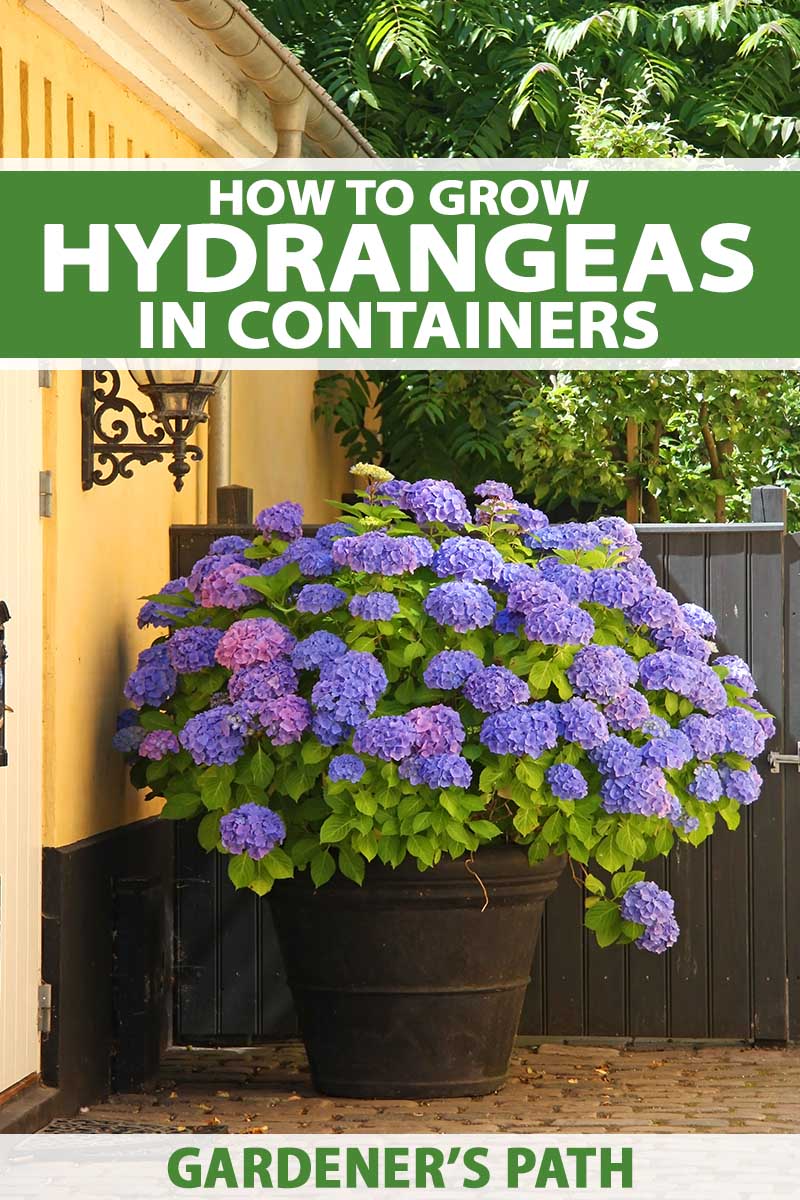
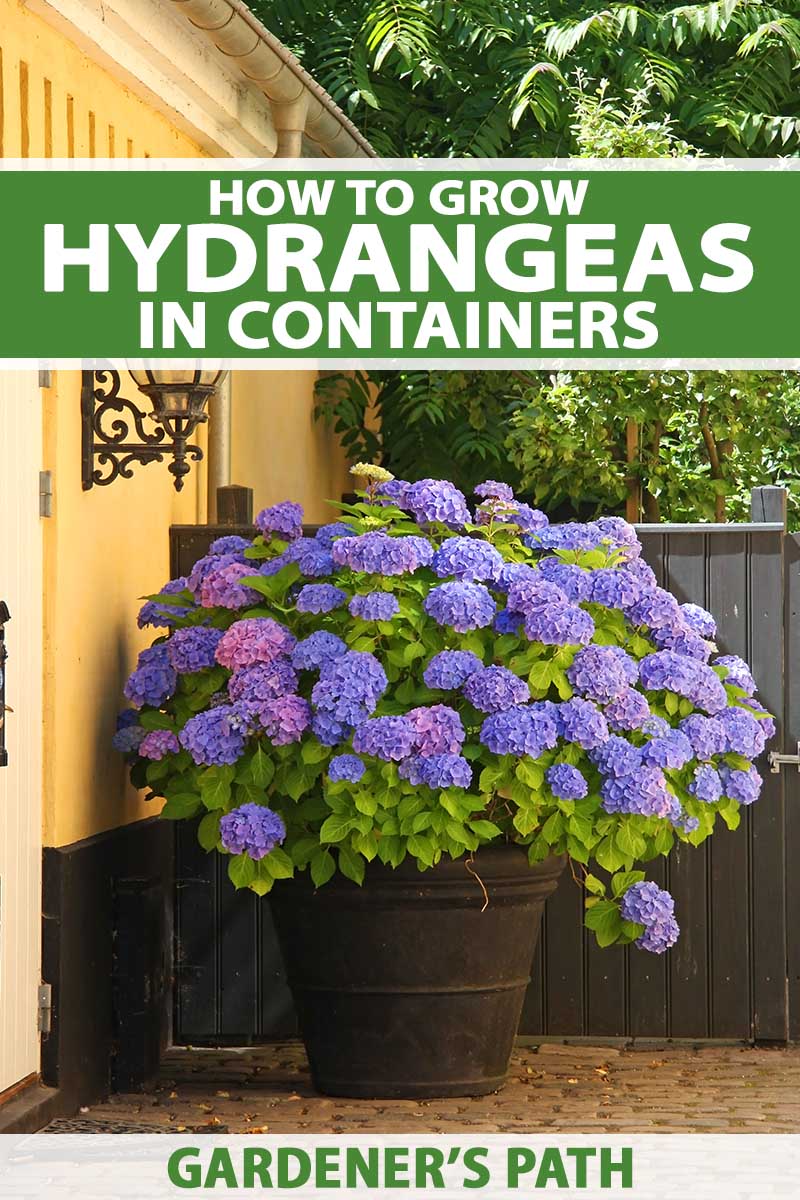
Yes, many hydrangeas can grow outdoors in large containers. Choose a pot with drainage holes and enough room for the root system. Use a quality potting mix that holds moisture while allowing extra water to drain.
Container hydrangeas often need more frequent watering than plants in the ground because pots dry out faster. Protect the container during winter in cold regions, since roots in pots are more exposed to freezing temperatures.
Q
Why are my hydrangea flowers turning brown?
Brown hydrangea flowers may be caused by natural aging, strong sunlight, heat, drought, or damage from wind. Many flower clusters naturally change color and become dry toward the end of their display.
Check the leaves and soil to see whether the whole plant is stressed. If the flowers are old but the leaves remain healthy, you may simply be seeing the normal end of the flowering period.
Q
Should I cut hydrangeas back in the fall?
Do not cut all hydrangeas back in fall. Traditional bigleaf and oakleaf hydrangeas form flower buds on old wood, so fall pruning can remove next year’s blooms. Panicle and smooth hydrangeas bloom on new wood and can be pruned in late winter or early spring.
Remove broken or clearly dead branches when necessary, but identify the variety before carrying out major pruning.
Q
How much sunlight do outdoor hydrangeas need?
Many hydrangeas grow well with several hours of morning sunlight and afternoon shade. However, sunlight needs vary by species. Panicle hydrangeas can handle more direct sun than many bigleaf varieties when the soil stays moist.
Deep shade can reduce flowering, while intense afternoon sun can cause heat stress. Choose a location based on the variety and your local summer conditions.
Q
What is the best month to plant hydrangeas outdoors?
Spring and fall are generally good planting seasons. Spring gives new shrubs time to establish before winter, while fall offers cooler weather and often more regular soil moisture. The best month depends on your local climate and the risk of extreme heat or freezing weather.
Choose a mild period when the ground is workable and the plant can receive regular water while its roots become established.
Q
Do hydrangeas need a lot of fertilizer?
No. Hydrangeas do not need heavy fertilizer applications when they grow in healthy, fertile soil. Too much nitrogen can encourage leaves and stems at the expense of flowers.
Use a soil test to identify nutrient needs and follow the directions on any fertilizer you apply. Finished compost can also help improve soil structure.
✦ Wrapping Up
Conclusion
Learning how to grow hydrangeas outdoors starts with choosing the right variety and giving it a suitable place to grow. Most hydrangeas need fertile, well-drained soil, steady moisture, and sunlight that matches their growing habits. A little planning before planting can prevent many common problems later.
Once the shrub is established, keep an eye on soil moisture, refresh the mulch when needed, and avoid excessive fertilizer. Most importantly, identify your hydrangea before pruning. Bigleaf and oakleaf types need different pruning care from panicle and smooth hydrangeas because they form flowers on different kinds of growth.
With the right care, hydrangeas can become long-lasting features in an outdoor garden. Their large flower clusters, attractive leaves, and varied shapes make them useful for foundation beds, garden borders, and landscape focal points. Give your shrub time to establish, and it can reward you with beautiful flowers season after season.
💡 Key Takeaway
Start by selecting a hydrangea that suits your USDA hardiness zone and garden sunlight. Prepare a wide planting hole in rich, well-drained soil, set the root ball at the correct height, water deeply, and add organic mulch. Check the soil regularly during dry weather and identify the variety before pruning. These simple steps will give your outdoor hydrangea a strong start and help it produce healthy growth and beautiful blooms.
I enjoy sharing simple gardening ideas, lawn care tips, and honest product reviews that help make outdoor work easier. From home gardening guides to helpful tools and lawn care advice, I write easy-to-follow content to help readers create a healthier and better-looking outdoor space without wasting time or money.