As an Amazon Associate, I earn from qualifying purchases.
Plant zinnias outdoors in the USA after your last spring frost, when the soil has warmed to at least 60°F and preferably closer to 70°F. Depending on your region, this can mean March in warm parts of Florida and Texas, April or May across much of the South, May or June in cooler northern states, and later in high-elevation areas.
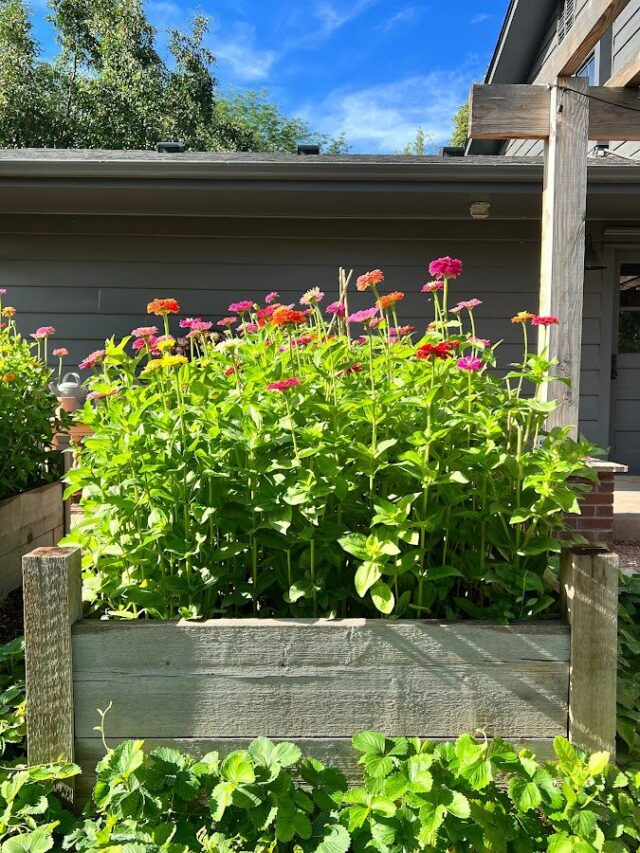
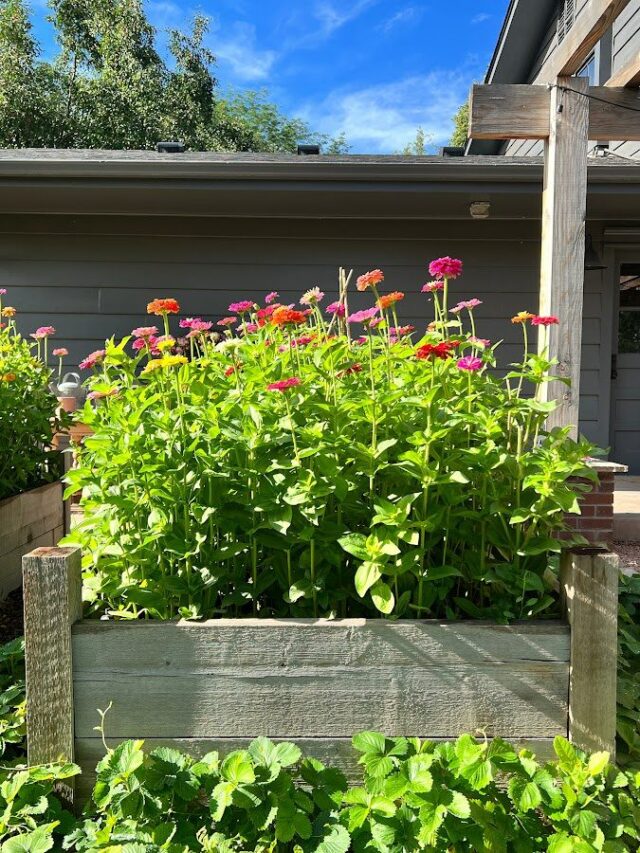
Zinnias are among the easiest flowers to grow in an American summer garden. Their bright blooms bring color to front yards, raised beds, cutting gardens, and sunny spots beside a porch. They also make lovely flowers for a vase. The trick is to plant them when the weather and soil are warm enough for quick, healthy growth.
There is no single planting date that works across the United States. A gardener in southern California may sow seeds weeks or months before someone in Minnesota or Maine. Your local last spring frost date, current soil temperature, and forecast are better guides than a fixed date on the calendar. Zinnias are warm-season annuals, so they grow, flower, set seed, and die within one growing season in most gardens.
For many home gardeners, direct sowing seeds into the garden is the simplest method. Zinnias grow quickly in warm soil, and sowing outdoors avoids the extra work of raising seedlings indoors. You can also start seeds indoors a few weeks before the expected planting date if you want an earlier start, provided you transplant the young plants carefully.
This guide explains when to plant zinnias by US region and USDA hardiness zone, how to use frost dates and soil temperature, and how to adjust your schedule for heat, rain, and short growing seasons. The goal is simple: give your zinnias a warm start so they can grow sturdy stems and produce flowers throughout the summer.
The best time to plant zinnias is after the last expected spring frost, when the soil is warm and the forecast shows no likely cold snap. For many US gardeners, that means sometime from April through June. In warmer southern areas, planting can begin earlier, while colder regions often need to wait until late May or June.
Zinnia seeds germinate best in warm soil. They can sprout in cooler conditions, but cold, wet soil may slow germination and increase the chance that seeds rot before they grow. Waiting for warm ground often leads to a more even stand of seedlings.
Air temperature matters, too. A warm afternoon does not guarantee that the soil has warmed enough, especially after a cold spring or a run of rainy days. Check the soil a few inches below the surface and watch the local forecast before sowing.
Source: ar.inspiredpencil.com
Last spring frost
Wait until the usual final frost date has passed and the short-term forecast looks safe for tender plants.
Soil temperature
Aim for at least 60°F, with soil closer to 70°F providing more favorable conditions for germination.
Warm weather
Choose a period with steadily warming days and nights rather than a brief warm spell followed by cold weather.
Soil drainage
Plant in soil that drains well and is not waterlogged after rain or irrigation.
Why You Should Not Plant Zinnias Too Early
Zinnias dislike frost and do not grow well in cold, wet soil. Seeds planted too early may take longer to sprout, and young seedlings can be damaged or killed by a late frost. Even without frost, cold conditions can leave seedlings weak and uneven.
If an early warm spell tempts you to sow seeds, check the soil and forecast first. Waiting another week is often better than losing a row of seedlings and having to start again.
Cold soil
Seeds may germinate slowly or unevenly when the ground remains chilly.
Late frost
Tender seedlings may suffer severe damage or die after freezing temperatures.
Excess moisture
Cold, soggy soil can encourage seed decay and poor seedling growth.
Can You Plant Zinnias in Summer?
Yes. Zinnias grow well in summer heat when they receive enough sun and water. If you miss the spring planting window, you can still sow seeds in early or midsummer, as long as your area has enough time before the first fall frost for the variety to mature.
Many zinnias begin flowering roughly 6 to 8 weeks after sowing, although the exact timing depends on the variety, weather, and growing conditions. Check the seed packet for days to maturity and leave extra time if your autumn weather cools early.
Early summer sowing
Often works well in most regions once the soil is warm and the plants can receive full sun.
Midsummer sowing
Can extend the flower season, especially where fall remains warm for several weeks.
Late summer sowing
Check the expected first fall frost and the variety’s maturity time before planting.
When to Plant Zinnias by US Region
Your region is a useful starting point for planning zinnias, but local conditions still determine the final date. Coastal areas, mountain valleys, cities, and rural gardens can have different frost dates even within the same state. Use the ranges below as general planning windows rather than guaranteed planting dates.
The dates assume you are growing common warm-season zinnias outdoors. If your garden sits in a frost pocket, at high elevation, or in a cool coastal area, you may need to plant later than other gardeners in your region.
Source: www.pinterest.com
Southern states
Warm areas of Florida, southern Texas, Louisiana, and the Gulf Coast may be ready in March or April, depending on local frost risk and soil warmth.
Southeast and lower Mid-Atlantic
Much of Georgia, Alabama, Mississippi, South Carolina, and nearby areas can often plant in April or May.
Midwest
Many gardens in Illinois, Indiana, Ohio, Iowa, and Missouri plant in May, with cooler northern locations often waiting until late May or June.
Northeast
Much of the region is ready in late May or early June, depending on local frost dates and spring weather.
Mountain West
Gardens at higher elevations may need to wait until late May or June, or later where frost lasts well into summer.
Pacific Coast
Warm inland California areas may plant in spring, while cool coastal gardens often need warmer soil and a later start.
Southern USA: March Through April
Gardeners in warm parts of Florida, southern Texas, and the Gulf Coast can often plant zinnias earlier than gardeners farther north. March may be suitable in frost-free or nearly frost-free areas, while other locations should wait until April or later.
In Florida, the planting season depends on where you live. North Florida can experience spring frosts that are uncommon in South Florida, and summer humidity can bring heavy rain and disease pressure. Choose a sunny, well-drained bed and avoid sowing just before a period of prolonged heavy rain.
Florida
Use local frost conditions in the north and warm, well-drained soil throughout the state. In very hot areas, plan around rainfall and the strongest summer heat.
Texas
South Texas may be ready in March, while northern and western areas often need to wait until April or May.
Gulf Coast
April is a common planting window in many locations, provided the ground is warm and drains well.
Mid-Atlantic and Midwest: April Through May
In much of the Mid-Atlantic and Midwest, late April or May is a more dependable time to sow zinnias. The southern parts of these regions may warm earlier, while northern locations can experience late frosts and cold soil well into spring.
Do not rely on the calendar alone. A sunny garden near a city may warm faster than a low rural field, but a sheltered backyard can still hold cold, wet soil. Check the forecast and the temperature of the planting bed before sowing.
Lower Mid-Atlantic
Late April or May may work in warmer areas after frost danger has passed.
Central Midwest
May is often the main window for direct sowing.
Northern Midwest
Late May or early June may be safer in areas with a shorter spring.
Northeast and Northern USA: May Through June
Gardeners in Maine, northern New England, upstate New York, Minnesota, Wisconsin, and the northern Great Plains usually need more patience. In many locations, late May or early June is a better target than early spring. The right date depends on elevation, local frost patterns, and how quickly the soil warms.
A short growing season does not prevent you from growing zinnias. Select a variety that flowers relatively quickly, sow as soon as conditions are suitable, and avoid delaying planting without a reason. Starting seeds indoors can help, but seedlings should be moved outside only after frost risk has passed.
Northern New England
Late May or June is often appropriate, with later planting in colder inland and elevated areas.
Upper Midwest
Late May through early June is a common window in areas with a late spring frost.
Northern Great Plains
Wait for warm soil and a safe forecast, even when the calendar suggests spring has arrived.
Western USA: Match Planting to Elevation and Climate
The West includes deserts, mild coastal areas, inland valleys, and mountain climates. This makes a single regional planting date less useful. In warm desert locations, gardeners may sow in spring before extreme summer heat, while cooler coastal areas may need to wait for the soil to warm.
High-elevation gardens in Colorado, Utah, Idaho, and nearby states should use local frost dates rather than dates from lower cities. In areas with very hot summers, planting at the beginning of the suitable warm season may give zinnias more time to flower before severe heat or autumn cold.
Warm desert areas
Plant in the warm spring window and account for the rapid onset of extreme heat.
California inland valleys
Plant once the soil is warm and frost risk has passed; many locations can support spring and summer sowings.
Cool coastal areas
Wait for warmer soil and choose a sunny site protected from persistent cool weather.
Mountain communities
Use elevation-specific frost information and allow enough time before the first fall frost.
When to Plant Zinnias by USDA Hardiness Zone
USDA hardiness zones can help you understand your region’s winter climate, but they do not give an exact zinnia planting date. These zones are based on average annual extreme minimum winter temperatures. They are useful for comparing winter conditions, not for telling you when your garden is free from spring frost.
For planting zinnias, use your local last frost date alongside soil temperature and the weather forecast. The table below offers broad planning ranges for common garden conditions. These are estimates, not official planting dates for every location in a zone.
Source: ar.inspiredpencil.com
Zones 3 to 4
Late May through June is a common planning window, with colder sites sometimes needing a later start.
Zones 5 to 6
May through early June is often suitable after the local frost risk has passed.
Zones 7 to 8
April through May is common, although warmer areas may be ready earlier.
Zones 9 to 10
March through April may suit many locations, but local frost patterns and extreme heat can shift the best window.
Zone 11 and other nearly frost-free climates
Plant when conditions are warm and suitable for growth, adjusting the schedule to avoid periods of severe heat or excessive rain.
How to Use Your Hardiness Zone Correctly
Find your USDA hardiness zone using your ZIP code, then check a local frost-date resource for the average last spring frost. These two tools answer different questions. Your zone describes winter cold, while the frost date helps you plan spring planting.
For example, two gardens in Zone 7 may have different planting dates because one sits near a warm coast and the other lies in a colder inland valley. The same difference can occur between a sunny city garden and a low rural site.
Check the frost date
Use a local agricultural extension service or trusted weather resource to find your area’s average last spring frost.
Measure the soil
Check the soil in the area where you will sow, preferably at seed depth or a little below it.
Review the forecast
Delay planting if a frost or prolonged period of cold, wet weather is expected.
When to Start Zinnia Seeds Indoors
Start zinnia seeds indoors about 3 to 4 weeks before your expected outdoor planting date. This gives seedlings time to develop without keeping them indoors so long that they become crowded or root-bound. Zinnias grow quickly, so they do not need a long indoor growing period.
Indoor sowing is helpful in regions with short summers or when you want flowers as soon as the outdoor season allows. However, zinnias can dislike root disturbance, so handle the seedlings gently and avoid breaking up their roots during transplanting.
Use clean containers with drainage holes and a seed-starting mix that holds moisture without staying soggy. Sow seeds according to the packet instructions, provide bright light, and keep the mix evenly moist. Once the seedlings emerge, give them enough light to prevent long, weak stems.
Source: storage.googleapis.com
Three to four weeks before planting
Sow seeds indoors in individual cells or small pots so roots can remain as undisturbed as possible.
Bright light
Place seedlings under suitable grow lights or in a bright location where they will not become stretched and weak.
Gentle watering
Keep the growing mix moist but not waterlogged, and make sure excess water can drain.
Gradual hardening off
Acclimate seedlings to outdoor sunlight and wind over about 7 to 10 days before planting them in the garden.
How to Harden Off Zinnia Seedlings
Hardening off means gradually getting indoor-grown plants used to outdoor conditions. Begin by placing seedlings outside in a sheltered, shaded spot for a short period when the weather is mild. Increase their outdoor time and sunlight exposure over the next week or so.
Avoid putting tender seedlings straight into strong afternoon sun or leaving them outside during cold nights. The leaves may scorch, wilt, or suffer cold damage if the change happens too quickly. Water the seedlings as needed while they adjust, and transplant them after the frost risk has passed.
Start in shade
Use a sheltered area with gentle light and little wind.
Increase exposure gradually
Add more outdoor time and sunlight each day as the seedlings adjust.
Watch the weather
Bring plants inside or protect them when cold, strong winds, or severe weather threaten.
How to Plant Zinnias Outdoors
Direct sowing zinnia seeds is often the easiest way to grow these flowers. Choose a sunny spot, prepare loose soil that drains well, and sow after the ground warms. Follow the seed packet for the variety’s recommended depth and spacing, since plant height and mature size can vary.
Zinnias generally flower best with at least 6 to 8 hours of direct sun per day. They tolerate a range of ordinary garden soils, but heavy, poorly drained ground can cause problems. If your soil stays wet after rain, improve drainage or use a raised bed rather than planting seeds in a soggy spot.
Source: savvygardening.com
Choose the right site
Pick a sunny area with good air movement and soil that drains after rain.
Prepare the soil
Remove weeds and loosen the top few inches of soil. Add compost when needed to improve soil structure, but avoid excessive fertilizer.
Sow at the correct depth
Follow the seed packet. Many common zinnia seeds are sown about 1/4 inch deep, but variety instructions should guide the final depth.
Space plants properly
Use the spacing listed for your variety. Crowded plants have less airflow and can be more prone to foliar disease.
Water gently
Moisten the soil after sowing and keep it evenly moist until seedlings emerge, without flooding the bed.
What to Do After the Seeds Sprout
Zinnia seeds often sprout within several days to about a week under warm, favorable conditions, though cooler soil may slow them down. Once seedlings emerge, keep the soil lightly moist while their roots develop. As the plants grow, water according to rainfall, soil conditions, and the weather.
When seedlings have developed several true leaves, thin crowded plants to the spacing recommended for the variety. Removing extra seedlings may feel wasteful, but proper spacing gives the remaining plants more room, light, and airflow. If you want to grow more flowers, sow the extra seeds in another suitable spot instead of leaving every seedling crowded together.
Check germination
Look for seedlings after several days in warm soil, and allow additional time if conditions are cooler.
Thin crowded seedlings
Leave enough space for mature plants to grow without constant contact with their neighbors.
Water at soil level
Direct water toward the roots when possible to reduce prolonged leaf wetness.
Remove weeds
Pull weeds while they are small so they do not compete with young zinnias for water and light.
How to Extend the Zinnia Blooming Season
To enjoy zinnia flowers over a longer period, sow small batches at intervals rather than planting every seed on one day. This method is called succession planting. As the first group matures and begins to fade, younger plants can begin flowering.
A gap of about 2 to 3 weeks between sowings is a useful starting point during suitable growing weather. Adjust the schedule to your local climate and the time remaining before the first fall frost. In very hot or rainy regions, the best interval may depend on how well the plants handle local conditions.
Deadheading can also encourage many zinnias to keep producing flowers. Remove faded blooms before they set seed if you want to encourage more flowering, and leave some healthy flower heads at the end of the season if you want to collect seeds.
Source: savvygardening.com
First sowing
Plant after frost danger has passed and the soil is warm enough for reliable germination.
Second sowing
Sow another small batch about 2 to 3 weeks later if conditions remain favorable.
Later sowings
Continue only while there is enough warm weather left for the selected variety to mature and flower.
Remove faded blooms
Cut spent flowers back to a suitable leaf joint to support continued flowering and a tidier plant.
When to Stop Planting Zinnias in Fall
Stop sowing when there is no longer enough warm weather for the plants to reach flowering before the first expected fall frost. Check the seed packet for the variety’s approximate days to maturity, then allow some extra time for slower growth during less favorable weather.
For example, if a variety needs around 60 days to flower and your area typically gets its first fall frost in early October, a late-August sowing may be too risky in a cool climate. A warmer southern garden may have a much longer window. Use your own frost date and the current forecast to decide whether another sowing is worthwhile.
Read the seed packet
Use the stated maturity period as a planning guide, not a guarantee of the first flower date.
Allow a weather buffer
Cool nights, cloudy weather, and other growing conditions can delay flowering.
Consider your local climate
Warm regions may support late sowings that would fail to flower before frost in northern gardens.
Common Zinnia Planting Mistakes and How to Avoid Them
Most zinnia planting problems start with timing, poor drainage, crowding, or inconsistent care. You can avoid many of these issues by waiting for warm soil, choosing a sunny site, and following the seed packet instructions. If seedlings struggle, check growing conditions before adding fertilizer or changing several things at once.
Zinnias are warm-season flowers, but that does not mean they can tolerate every kind of summer stress. Very hot weather, dry soil, heavy rain, and crowded foliage can all affect growth. Adjust your care to the actual problem rather than assuming that every weak plant needs more water or plant food.
Source: positivebloom.com
Planting before the last frost
Wait until frost risk has passed. Protecting seeds from one cold night is less reliable than choosing a safe planting window.
Sowing into cold, wet soil
Allow the ground to warm and drain before sowing, especially after a rainy spring.
Choosing too much shade
Move future sowings to a spot with at least 6 hours of direct sunlight, preferably more.
Overwatering
Check soil moisture before watering again, and improve drainage if the bed stays wet.
Planting too close together
Thin seedlings and follow the variety’s spacing recommendations to improve airflow.
Applying too much fertilizer
Avoid excessive nitrogen, which can encourage leafy growth at the expense of flowers.
Why Are My Zinnia Seeds Not Sprouting?
If zinnia seeds have not sprouted, first check how long they have been in the soil and whether the soil is warm enough. Seeds may take longer in cool weather, and waterlogged soil can cause them to decay. Very dry soil can also interrupt germination.
Check the seed packet for the expected germination time and sowing depth. If the soil is warm, moisture is steady, and enough time has passed, try a small test sowing with fresh seed in a separate container or prepared patch. This can help you tell whether the problem is the seed or the garden conditions.
Cold ground
Wait for warmer soil before sowing more seeds.
Too much water
Improve drainage and avoid keeping the seedbed saturated.
Dry seedbed
Water gently enough to keep the soil moist while the seeds germinate.
Incorrect sowing depth
Follow the variety’s seed packet rather than burying seeds too deeply.
Why Are Zinnia Seedlings Wilting?
Wilting can result from dry soil, transplant shock, damaged roots, excessive heat, or roots sitting in waterlogged ground. Check the soil before watering because adding more water to a saturated bed can make the problem worse.
Newly transplanted seedlings may need temporary protection from harsh afternoon sun while they adjust. Water them thoroughly at planting, keep the soil evenly moist during establishment, and avoid disturbing the roots more than necessary.
Dry soil
Water slowly at the base of the plant and check again as the soil absorbs moisture.
Wet soil
Pause watering and improve drainage if the roots remain in soggy ground.
Transplant shock
Give seedlings time to adjust, protect them from severe stress, and avoid further root disturbance.
Frequently Asked Questions
Q
What month should I plant zinnias in the USA?
May is a common month for planting zinnias across much of the United States, but the best month depends on your local climate. Warm parts of Florida and Texas may be ready in March or April, while northern states and high-elevation gardens may need to wait until late May or June. Plant after the last expected spring frost and once the soil has warmed to at least 60°F.
Q
Can I plant zinnias before the last frost?
It is best to wait until the last spring frost has passed before planting zinnias outdoors. Zinnias are frost-sensitive, and cold soil can slow seed germination. If you want to get an early start, sow seeds indoors about 3 to 4 weeks before your planned outdoor planting date, then harden off the seedlings before transplanting them.
Q
How long do zinnias take to grow from seed?
Zinnia seeds may sprout within several days to about a week in warm, moist soil. Many varieties begin flowering roughly 6 to 8 weeks after sowing, although the exact time varies with the variety, temperature, sunlight, and care. Check the seed packet for the expected days to maturity and allow extra time if spring weather is cool.
Q
Do zinnias come back every year?
Most garden zinnias are grown as annuals, meaning they complete their life cycle in one growing season and do not reliably return as the same plant the following year. They may produce new plants from dropped seeds if the seeds survive winter and conditions suit germination. In colder regions, frost usually ends the growing season.
Q
Can I grow zinnias in pots?
Yes. Zinnias grow well in containers when the pot has drainage holes, the growing mix drains freely, and the plants receive plenty of direct sunlight. Choose a container large enough for the mature size of your variety, follow the recommended spacing, and check soil moisture more often during hot weather because pots dry out faster than garden beds.
Q
How late can I plant zinnias in summer?
You can plant zinnias in summer as long as there is enough time for the variety to mature and flower before the first expected fall frost. Check the seed packet’s maturity period and add a buffer for slower growth. In warm southern climates, the planting window may remain open much longer than it does in northern states.
Q
Should I soak zinnia seeds before planting?
Soaking zinnia seeds is generally unnecessary. Direct sowing into warm, evenly moist soil is usually sufficient for germination. Follow the seed packet instructions and avoid leaving seeds in water for long periods, since excess moisture can create problems rather than improve growth.
✦ Wrapping Up
Conclusion
The best time to plant zinnias in the USA depends on your local spring weather, soil temperature, and risk of frost. Many gardeners can sow seeds from April through May, while warm southern areas may start earlier and colder northern regions often need to wait until late May or June. The key is to plant in warm soil after frost danger has passed.
Choose a sunny spot with good drainage, sow seeds at the recommended depth, and keep the soil moist while seedlings establish. If you want flowers over a longer period, sow small batches every few weeks while the weather remains suitable. With a little attention to timing, zinnias can bring bright color to beds, borders, containers, and cutting gardens throughout the growing season.
💡 Key Takeaway
Before planting, check your local last spring frost date, measure soil temperature, and review the forecast. Once frost danger has passed and the soil is at least 60°F, sow zinnia seeds in a sunny, well-drained spot and follow the seed packet for depth and spacing.
I enjoy sharing simple gardening ideas, lawn care tips, and honest product reviews that help make outdoor work easier. From home gardening guides to helpful tools and lawn care advice, I write easy-to-follow content to help readers create a healthier and better-looking outdoor space without wasting time or money.