
As an Amazon Associate, I earn from qualifying purchases.
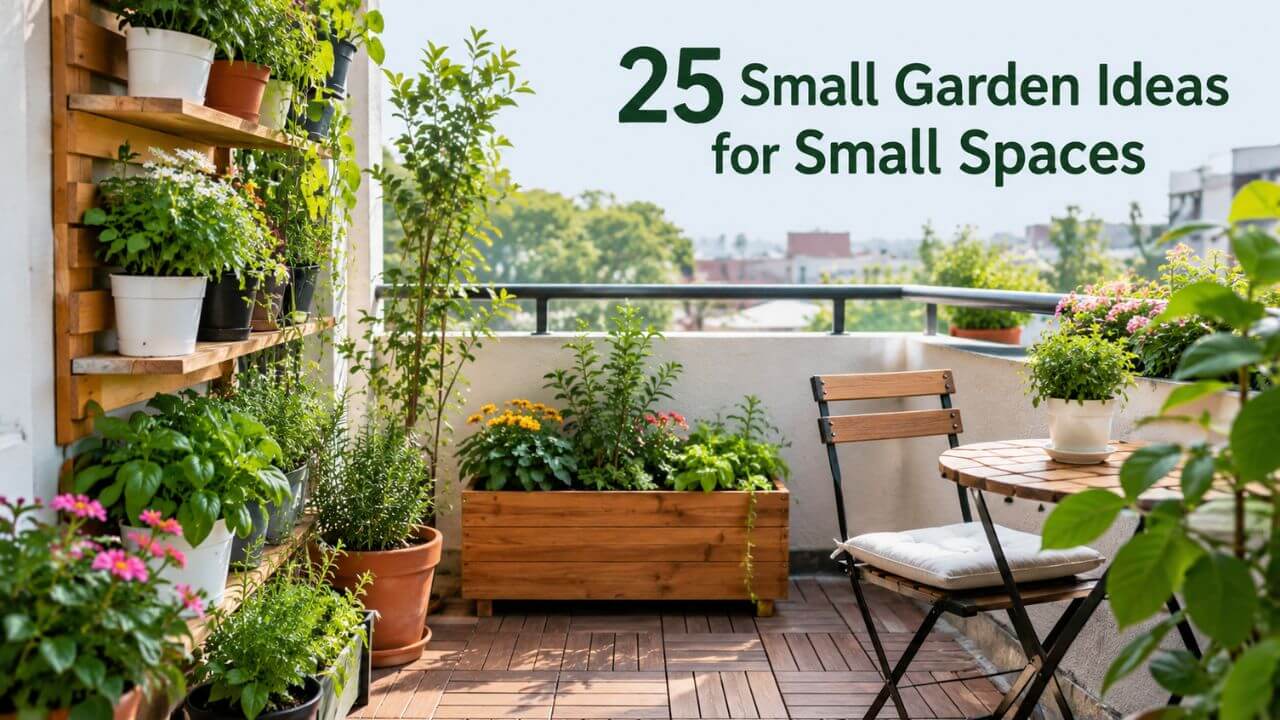
The best small garden ideas for small spaces use vertical areas, containers, raised beds, and compact plants while keeping pathways clear and the layout uncluttered.
Small garden ideas for small spaces can help you grow plants and create an inviting outdoor area without needing a large yard. A patio, balcony, narrow side yard, or small backyard can still support flowers, herbs, vegetables, and comfortable seating. The key is to use space at different levels instead of relying only on the ground. With the right plants and a simple layout, even a tiny garden can feel useful, organized, and attractive.
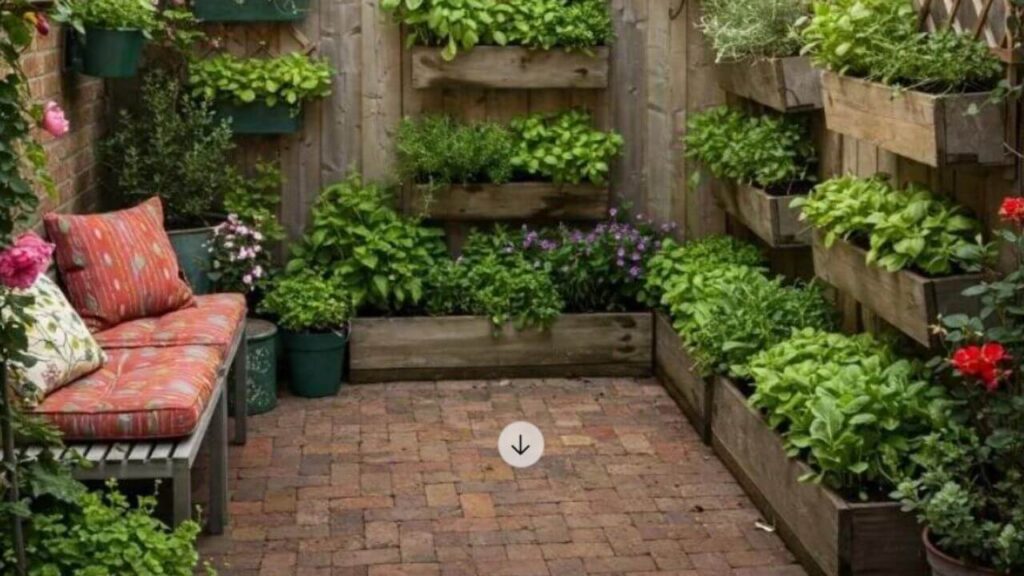
25 Small Garden Ideas for Small Spaces
Small spaces need careful planning, but they also give you a chance to create a focused garden. Start with the features you need most, then build around them.
1. Use Vertical Space
When ground space is limited, look up. Walls, fences, and other sturdy structures can provide valuable growing space.
Install a trellis for climbing plants or use wall-mounted planters for herbs and flowers. Vertical gardens can also create greenery along a plain fence without taking much floor space.
Before installing anything, make sure the structure can support the weight of mature plants and wet soil.
2. Create a Container Garden
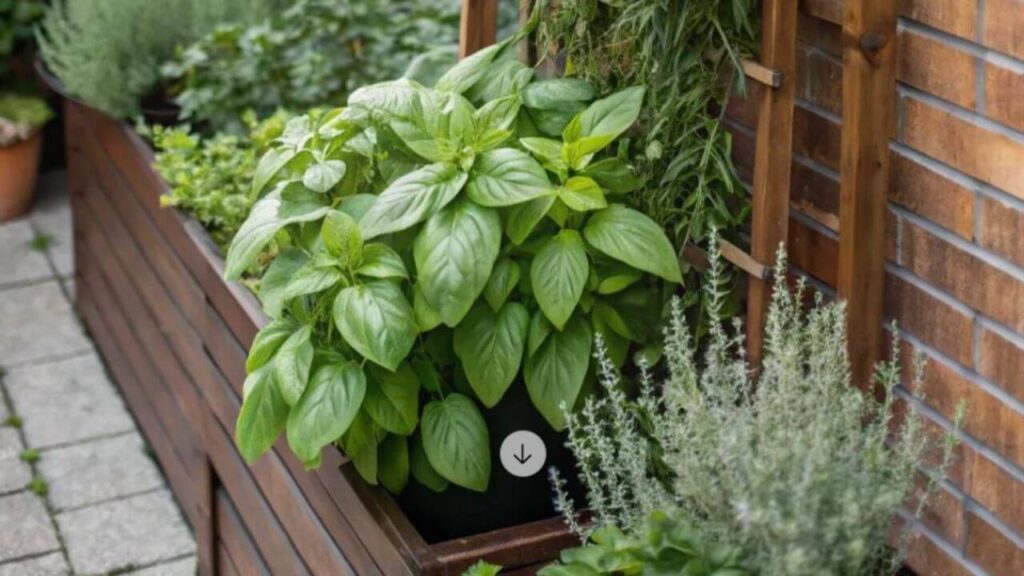
Containers are one of the easiest ways to garden in a small area.
Use pots, window boxes, tubs, or other suitable containers to grow flowers, herbs, and compact vegetables. You can move containers when sunlight changes or rearrange them when you want a different layout.
Choose containers with drainage holes and match the pot size to the plant’s mature root needs.
3. Use Tiered Planters
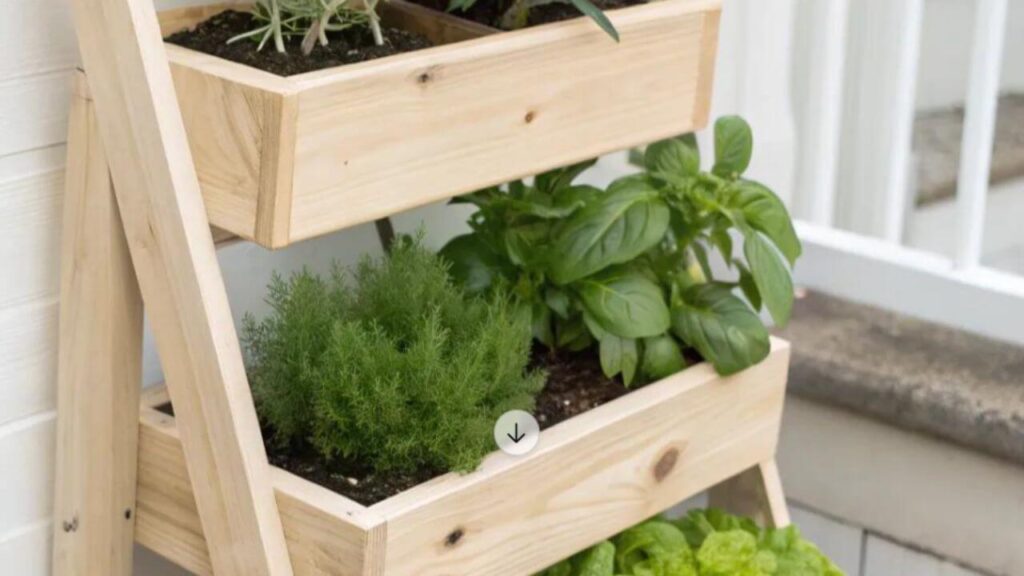
Tiered planters allow several plants to grow in a small footprint.
Place herbs, flowers, or compact vegetables on different levels. The height difference can also make a small garden more visually interesting.
Choose a stable planter and avoid placing heavy containers where they could tip. Keep each level accessible so you can water, prune, and inspect the plants easily.
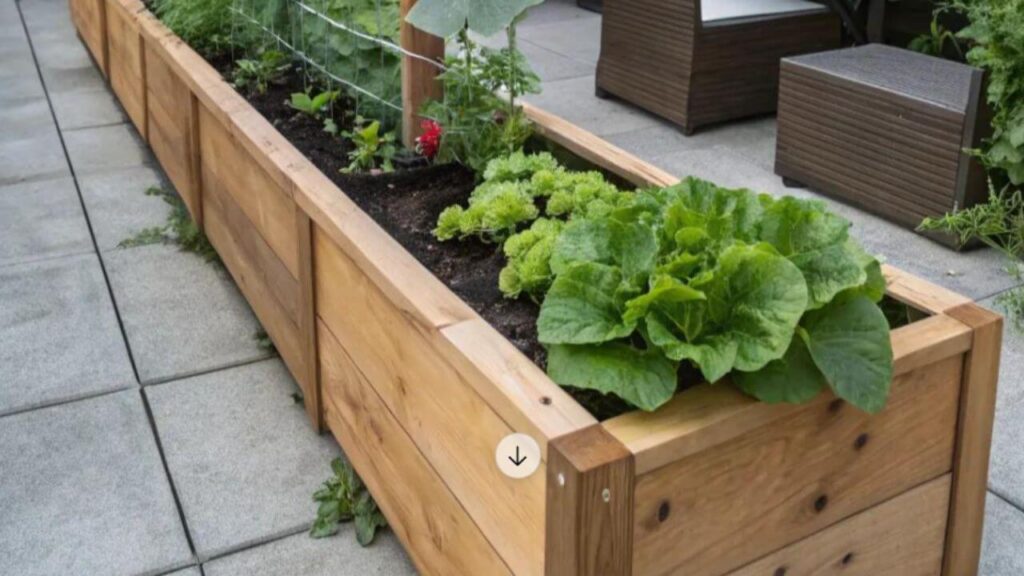
4. Build a Narrow Raised Bed
A narrow raised bed can turn a small unused area into a productive garden.
You can grow lettuce, radishes, green onions, herbs, and other compact crops. Keep the bed narrow enough that you can reach the center from either side.
Do not make the bed wider simply to fit more plants. If you cannot reach the middle easily, planting and maintenance become harder.
5. Grow a Vertical Vegetable Garden
Vegetables do not always need to spread across the ground.
Some crops can grow upward with proper support. Beans, cucumbers, and other suitable climbing crops can use a trellis or vertical frame.
Make sure the support is installed before the plants become large. Check the plant’s mature growth habit so the structure can handle the expected weight.
6. Use Hanging Planters
Hanging planters can add growing space above the ground.
They work well on patios, porches, balconies, and other small outdoor areas. Flowers and some herbs can grow successfully in hanging containers when they receive suitable light and water.
Position them carefully so they do not block doors or walkways. They should also be easy enough to reach for regular watering.
7. Create a Corner Garden
Unused corners can become productive planting areas.
Place a few containers in the corner or create a small triangular bed. A vertical planter or trellis can add height without using much floor space.
Keep the design simple. A few carefully chosen plants will usually look more organized than a collection of unrelated pots and decorations.
8. Turn a Small Patio Into a Garden
A patio can support a surprising amount of greenery with the right arrangement.
Use containers along the edges and keep the center open for walking or seating. A narrow plant stand or vertical planter can add more growing space without taking over the patio.
Choose furniture that matches the size of the area. Oversized chairs and tables can quickly reduce the usable space.
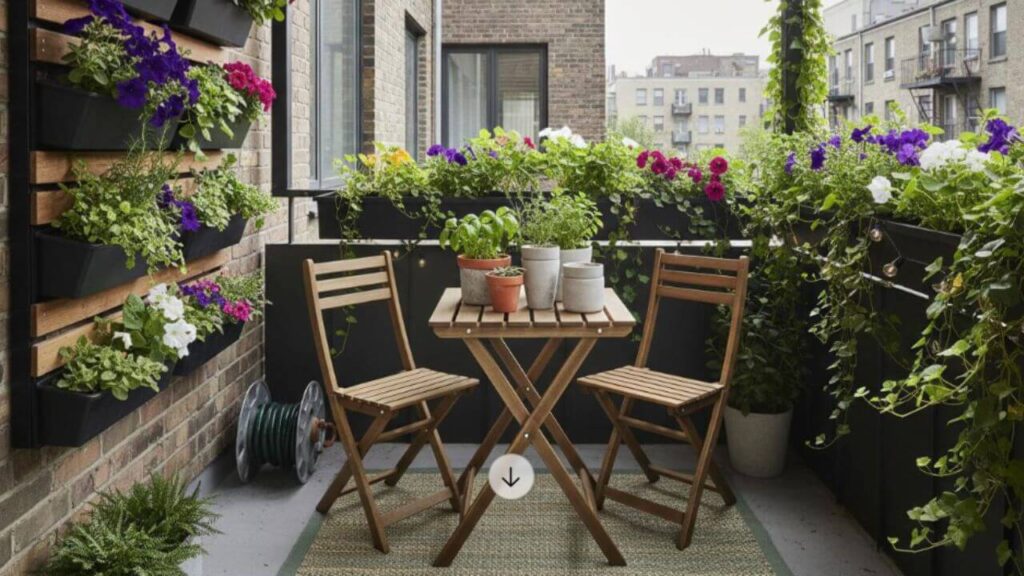
9. Use Window Boxes
Window boxes make use of space that might otherwise remain empty.
They can hold flowers, herbs, or compact plants and work especially well around small homes, patios, and balconies.
Check the amount of sunlight at the window before choosing plants. Secure the box properly and make sure excess water can drain safely.
10. Grow Herbs in Containers
Herbs are excellent choices for small-space gardening.
Basil, chives, thyme, and other herbs can grow in containers when their light, water, and soil needs are met. Keeping several herbs together can also create a compact kitchen garden.
Mint deserves special attention because it can spread quickly. Growing it in a separate container helps keep it from taking over nearby planting areas.
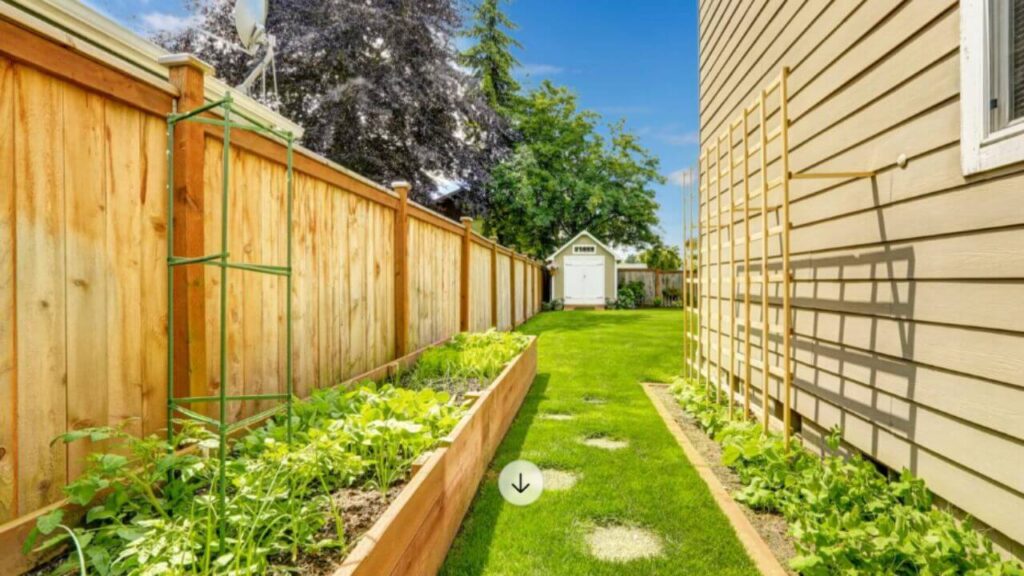
11. Create a Narrow Side-Yard Garden
A narrow side yard can become useful without losing its main purpose as a pathway.
Use slim planters along one side and add vertical plants against a fence or wall. Keep enough room for people to walk through comfortably.
Avoid plants with a wide mature spread. A plant that fits today may block the path after one or two growing seasons.
12. Add a Trellis
A trellis can turn a fence or wall into a vertical growing area.
Use it for suitable climbers, vegetables, or flowering plants. It can also help add privacy without taking the same ground space as a wide hedge.
Install the trellis securely and consider the mature weight of the plants. Strong-growing vines may need stronger support than small ornamental climbers.
13. Add a Small Garden Bench
A small bench can make a compact garden more useful.
Place it against a wall or fence so it does not interfere with the main pathway. A simple bench can provide a place to relax without requiring a large seating area.
Choose furniture that fits the scale of the garden. You can add a few containers nearby, but avoid surrounding the bench with so many plants that it becomes difficult to use.
14. Combine Seating and Storage
Small gardens often lack enough space for separate furniture and storage.
A storage bench can solve both problems. It provides a place to sit while giving you somewhere to keep small tools, gloves, or other outdoor supplies.
Keep the storage area organized and protected from moisture. This idea works especially well on small patios, decks, and compact backyards.
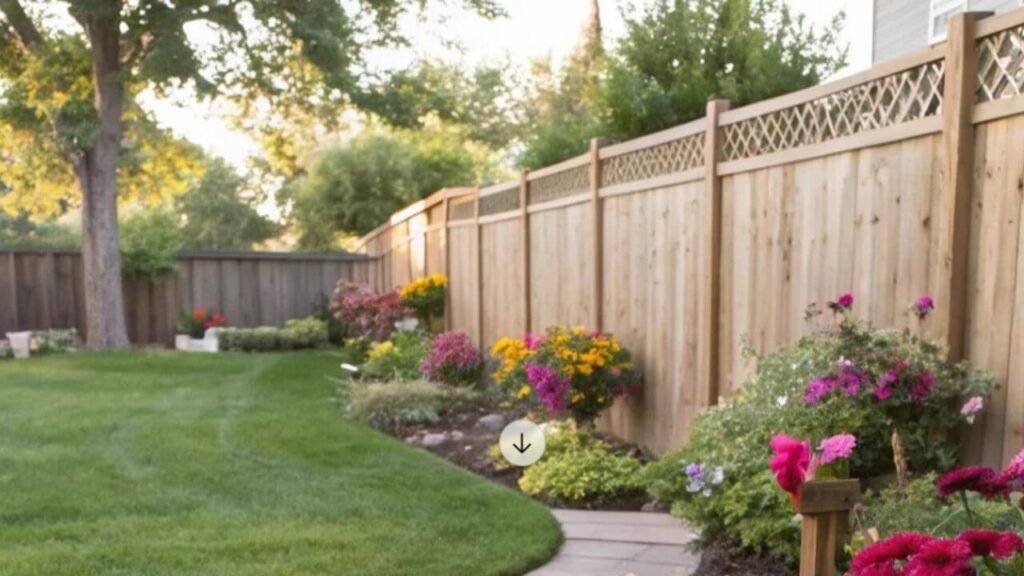
15. Create a Small Flower Garden
You do not need a large flower bed to create a colorful garden.
Choose a few suitable flower varieties and plant them in groups. Repeating the same plants can create a more connected appearance.
Layer plants by height when possible. Taller plants can go toward the back, while shorter flowers can fill the front of the bed.
16. Grow Compact Vegetables
Small gardens can still produce fresh vegetables.
Lettuce, radishes, green onions, and bush beans can be useful choices for limited growing areas. You can grow them in containers, raised beds, or other suitable spaces.
Focus on vegetables your household will actually eat. Growing a smaller number of useful crops is easier than trying to fit too many varieties into one small garden.
17. Plant a Small Fruit Tree
A compact or appropriately trained fruit tree can add another layer of interest to a small garden.
Before buying one, check its mature height and spread. Some fruit trees need regular pruning or training to remain suitable for limited spaces.
Also check whether the variety needs a pollination partner. Local growing conditions and winter temperatures can affect which fruit trees are suitable for your area.
18. Create a Small Balcony Garden
A balcony can become a productive growing space with containers, railing planters, and vertical systems.
Start by considering sunlight and wind exposure. Plants that work well in a sheltered yard may need different care on an exposed balcony.
Also consider the weight of containers, wet soil, and water. Follow your building’s rules and any structural limits before adding large numbers of planters.
19. Try a Mini Cottage Garden
A small cottage-style garden can work if you keep the plant selection under control.
Combine flowers and foliage plants at different heights. Repeat a few compatible plants instead of using a different variety in every small section.
A narrow border, small pathway, or compact seating area can provide the structure needed to keep the design from becoming crowded.
20. Create a Simple Zen Garden
A small Zen-inspired garden can suit spaces where you want a calm and simple appearance.
Use gravel, stones, and a limited number of plants. Keep decorations to a minimum and allow some open space to remain visible.
This type of design can also reduce the amount of planting that needs regular care, although gravel areas still need occasional maintenance.
21. Use Light-Colored Materials
Light-colored paving, walls, containers, or furniture can make a small garden feel brighter.
You do not need to change every surface. Even one lighter feature can create a visual contrast with green plants.
Consider your local sunlight and climate when selecting materials. Some surfaces can become very hot or reflective under strong summer sun.
22. Create One Focal Point
A small garden does not need many decorative features.
Choose one main focal point, such as an attractive plant, container, bench, small water feature, or garden ornament.
Place it where it naturally catches attention. Keeping one main feature can make a small space feel more organized and less cluttered.
23. Layer Plants by Height
Plant height can create depth in a small garden.
Place taller plants toward the back or against a fence. Use medium-height plants in the middle and shorter plants near the front.
This arrangement allows more plants to remain visible. Always check mature size so taller plants do not eventually shade or crowd everything around them.
24. Use Curved or Diagonal Lines
A small garden does not always need a straight layout.
A gentle curve or diagonal planting bed can change the visual flow of the space. You can use this approach for pathways, borders, or container arrangements.
Do not add complicated curves if they make the garden harder to walk through or maintain. Practicality should come first.
25. Leave Some Space Open
One of the most useful small-space gardening ideas is to leave part of the garden empty.
Open space gives plants room to stand out and makes the area easier to walk through. It also leaves room for future changes.
A garden does not become better simply because you add more plants. A balance between planted areas and open space can make a small garden more comfortable and easier to maintain.
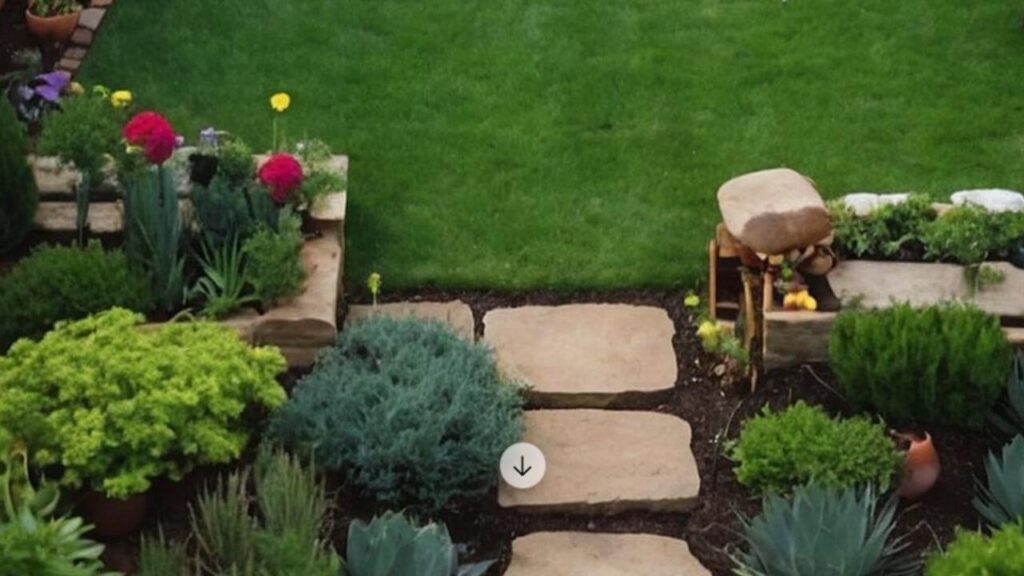
Small Garden Ideas for Different Small Spaces
The best approach depends on the type of space you have. A balcony needs a different plan from a narrow backyard or side yard.
Small Backyard Garden Ideas
Use fences for trellises and vertical planting. Add one compact seating area and use containers or a narrow raised bed for flowers and vegetables.
Keep the center of the yard open if you need space for children, pets, entertaining, or everyday use.
Small Patio Garden Ideas
Place containers around the edges and use vertical planters where possible. Choose compact furniture and avoid blocking doors or walking areas.
If the patio receives strong afternoon sun, select plants that can handle those conditions rather than relying on frequent watering to compensate.
Small Balcony Garden Ideas
Use railing planters, hanging containers, and vertical systems to maximize limited space.
Check sunlight, wind, drainage, and container weight before starting. Choose smaller containers for plants with modest root systems and larger containers for plants that need more room.
Narrow Garden Ideas
Use the length of the space rather than trying to add wide planting beds.
A narrow border, repeated plants, and a simple pathway can create a clean design. Vertical planting can add height without reducing walking space.
Small Courtyard Garden Ideas
A courtyard can work well with one strong focal point and a limited plant palette.
Use containers, raised beds, climbing plants, or a small seating area around the edges. Keep the center relatively open if you want the courtyard to feel more spacious.
How to Make a Small Space Garden Look Bigger
The way you arrange a small garden can change how spacious it feels.
Use vertical planting to draw the eye upward. Different plant heights can also create layers and depth without taking additional floor space.
Avoid placing too many small objects throughout the garden. A few larger, purposeful features can look cleaner than many small decorations.
Light-colored materials may also make the space appear brighter. Curved or diagonal lines can change the visual flow, while a clear focal point gives the eye a place to settle.
Most importantly, leave some open space. A garden that has room to breathe can feel more comfortable than one packed with plants from edge to edge.
Best Plants for Small Spaces
Plant selection should match your available space, sunlight, climate, and maintenance level.
Flowers
- Marigolds
- Petunias
- Begonias
- Impatiens
Vegetables
- Lettuce
- Radishes
- Green onions
- Bush beans
Herbs
- Basil
- Chives
- Thyme
- Mint
Vertical-Growing Plants
- Climbing beans
- Cucumbers
- Suitable flowering climbers
- Compact vines
Always check the mature height and width before planting. Also check whether a plant prefers full sun, partial shade, or another growing condition.
Small Garden Ideas on a Budget
You can create a useful small garden without buying everything at once.
Start with the essentials. Good soil, suitable plants, drainage, and reliable watering matter more than decorative features.
Reuse suitable containers when possible. You can also grow plants from seeds and build a simple trellis instead of buying an elaborate structure.
Another way to save money is to choose plants that naturally fit your space and climate. Plants that suit the site are easier to maintain than plants that constantly struggle with light, water, or temperature.
Common Small-Space Gardening Mistakes
Small gardens leave less room for poor planning, so avoid these common problems.
Choosing Plants That Become Too Large
Always check the mature size before planting. A shrub that looks small in a nursery container can eventually dominate a narrow bed.
Ignoring Sunlight
Observe your garden before choosing plants. Different areas may receive very different amounts of direct sunlight.
Blocking Paths
Leave enough room for walking, watering, pruning, and harvesting. Plants should not grow into important access areas.
Using Too Much Furniture
Choose furniture based on the actual size of the space. A small bench may work better than a large table and several chairs.
Overcrowding Plants
Plants need enough space for roots, air movement, and healthy growth. Follow the recommended spacing for the specific plant.
Forgetting Watering Access
Place plants where you can reach them easily. A container hidden behind several other pots can quickly become neglected.
Frequently Asked Questions
What are the best small garden ideas for small spaces?
Vertical gardens, container gardens, raised beds, hanging planters, window boxes, and compact vegetable gardens are useful options. Choose ideas based on your available sunlight and how you want to use the space.
How do I make a very small garden look bigger?
Keep the layout simple, use vertical space, layer plants by height, and leave some areas open. Light-colored materials and one clear focal point can also help.
What can I grow in a very small garden?
You can grow herbs, flowers, leafy vegetables, radishes, green onions, bush beans, and suitable compact plants. Containers can expand your growing options.
How do I start a small garden on a budget?
Begin with one small area and focus on basic needs such as soil, drainage, plants, and watering. Reuse suitable containers and grow plants from seeds where practical.
What is the best way to use a narrow garden?
Use narrow planting beds, vertical structures, and plants with a compact growth habit. Keep a clear pathway if the space is also used for access.
Conclusion
Small outdoor spaces can still support beautiful and productive gardens. The key is to use vertical areas, containers, raised beds, corners, and compact plants without overcrowding the space.
Start by checking your sunlight and measuring the area. Choose one or two ideas that fit your needs, then add more features as the garden develops. A simple layout, suitable plants, and enough open space can make even a very small garden practical and enjoyable.
Last Updated on October 1, 2026 by Saad Abdullah

I enjoy sharing simple gardening ideas, lawn care tips, and honest product reviews that help make outdoor work easier. From home gardening guides to helpful tools and lawn care advice, I write easy-to-follow content to help readers create a healthier and better-looking outdoor space without wasting time or money.