As an Amazon Associate, I earn from qualifying purchases.
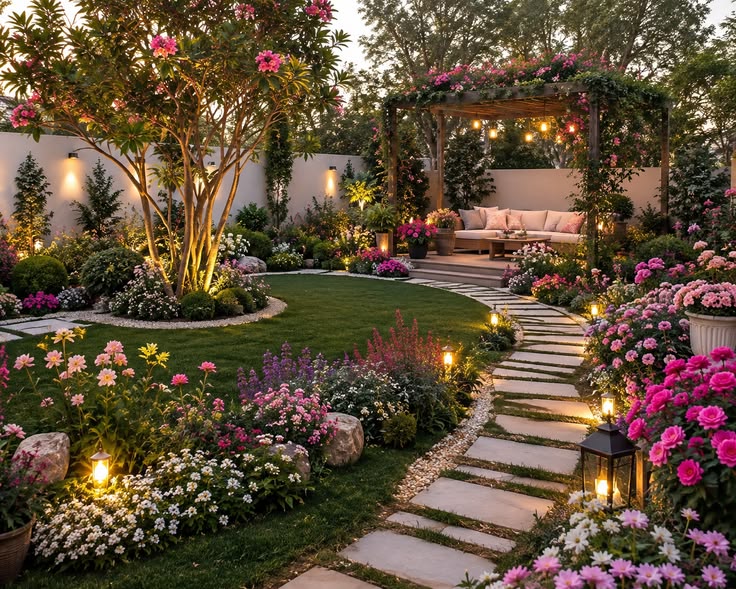
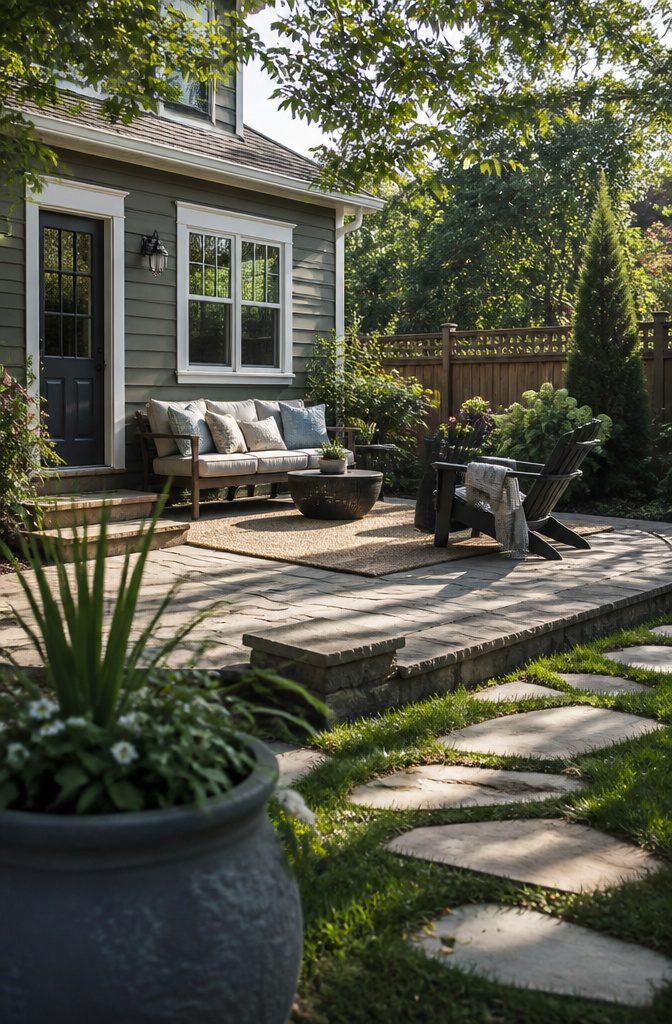
The best small garden ideas with seating area combine compact furniture, attractive plants, clear walking paths, and smart use of corners. A small patio, garden bench, bistro set, or built-in seat can turn even a narrow backyard into a comfortable place to relax.
In American homes, outdoor space can be limited. A small backyard in a Chicago suburb, a narrow side yard in New York, or a compact patio behind a California home may leave little room for both plants and furniture. Yet you do not need a large lawn to create a lovely place to sit outside. A few thoughtful changes can make a small garden feel warm, useful, and inviting.
The secret is to give every part of the garden a clear purpose. Instead of filling the yard with large chairs, wide paths, and too many decorations, choose a seating spot that fits the available space. Then surround it with plants, simple borders, and a few personal touches. Your garden can feel like a private outdoor room without losing the green space that makes it special.
Think about how you want to use the garden before choosing a design. You may want a quiet corner for morning coffee, a small table for outdoor meals, or a shaded bench where you can read after work. Your choice will guide the furniture, layout, plants, and lighting. The following ideas offer practical ways to create a beautiful seating area while keeping a small garden open and easy to enjoy.
An unused corner can become one of the most charming places in a small garden. Instead of placing furniture in the middle of the yard, tuck a compact bench or two small chairs into a corner. This leaves more open ground for plants and walking space.
A corner seating area works well in square backyards, small courtyards, and narrow gardens. Place the seats against a fence or garden wall, then add a few pots around them. The plants create a soft backdrop and help the seating spot feel separate from the rest of the yard.
Choose furniture that fits the corner without blocking access. A small wooden bench, metal bistro chairs, or a compact outdoor loveseat can work. Add one small side table if you have enough room for drinks or a book.
Source: pinterest.com
Use the corner wisely
Place the largest furniture piece against a wall or fence to keep the center of the garden open.
Add soft greenery
Use compact shrubs, flowering pots, or leafy plants to frame the seating spot.
Keep decorations simple
Choose one lantern, a small outdoor cushion, or a decorative planter instead of crowding the area.
How to Make a Corner Feel Private
A little privacy can make a small seating area feel more relaxing. Place a narrow trellis beside the chairs and grow a suitable climbing plant along it. You can also use tall containers with ornamental grasses or compact shrubs to soften the view of nearby fences and buildings.
Leave some open space around the plants. A fully enclosed corner may feel cramped, while a partial screen gives you privacy without making the garden look smaller.
Try a trellis
A simple trellis can create a green screen without using much ground space.
Use tall containers
Place narrow planters near the edge of the seating area to add height and visual separation.
2. Add a Small Garden Bench Among the Plants
A simple garden bench is one of the easiest ways to add seating without using too much space. It gives you a place to rest while keeping the garden focused on flowers and greenery. A bench can also become a lovely focal point when you place it where it faces an attractive view.
Look for a narrow bench with a simple frame. Wood creates a natural, warm look, while metal can suit a more modern garden. Weather-resistant materials are useful for outdoor furniture, but every material needs care that matches its construction and local weather.
Position the bench near a flower bed, under a small tree, or beside a garden wall. Leave enough room to sit down and stand up with ease. If the garden is narrow, place the bench along the longest wall rather than across the main path.
Source: pinterest.com
Choose a suitable size
Measure the available space before buying a bench. A two-person bench may be enough for a small household.
Create a green backdrop
Surround the bench with flowers, leafy plants, or low shrubs to make it feel connected to the garden.
Face an attractive view
Point the bench toward a flower border, water feature, or favorite part of the yard.
Choose Plants That Frame the Bench
Low-growing flowers can soften the area around a bench without blocking the view. In sunny gardens, consider suitable varieties of lavender, coneflowers, or compact salvias. For partly shaded spaces, look at hostas, ferns, or other plants suited to your local growing conditions.
Plant height matters. Keep tall plants behind the bench or to one side, and use shorter plants near the front. This creates a layered look while leaving the seating area open.
Sunny garden
Use climate-suitable flowering perennials and compact ornamental grasses.
Shady garden
Choose shade-tolerant foliage plants and flowering varieties that suit your local conditions.
3. Design a Small Patio With Two Chairs
A small patio with two chairs is a practical choice when you want a place to sit and enjoy the garden without giving up too much planting space. You do not need a large paved area. A compact surface with room for two seats and a small table can be enough for everyday use.
Place the patio near a back door if you plan to use it often. This makes it easier to carry drinks, snacks, and gardening supplies outside. A location near the house can also make the seating area feel like a natural extension of your indoor living space.
Choose a surface that suits the home and drains well. Concrete pavers, brick, stone, and suitable gravel can all work. The best option depends on the existing ground, expected use, local weather, and how much maintenance you want to handle.
Before installing a patio, check how water moves through the yard. Avoid creating a surface that sends runoff toward the house or traps water near a foundation. If grading or drainage needs major changes, get suitable professional advice before construction.
Source: okcountyconservation.com
Use compact furniture
Two slim chairs and a small round table can provide useful seating without dominating the patio.
Select a simple surface
Choose brick, pavers, stone, or another suitable material that fits the home’s style.
Allow room to move
Make sure chairs can be pulled out without blocking the doorway or garden path.
How Much Space Does a Small Seating Patio Need?
The space needed depends on the furniture and how people will use it. A University of Delaware Cooperative Extension landscape planning guide gives about 25 square feet as a typical reference for sitting or eating for two people. Treat this as a planning starting point, not a fixed minimum for every furniture layout.
For example, a patio measuring 5 feet by 5 feet provides 25 square feet. It may suit a simple two-person arrangement, but the actual fit depends on chair depth, table size, and access. Measure your furniture and mark the proposed area on the ground before building.
Measure the furniture
Include the space needed to move chairs in and out.
Mark the patio outline
Use a garden hose or temporary markers to test the layout before buying materials.
4. Make a Small Garden Seating Area With Gravel
Gravel can create a relaxed seating area without the look or cost of a large paved patio. It works especially well in cottage gardens, informal backyards, and small outdoor spaces with a natural style. A gravel surface also creates a clear visual boundary between seating and planting areas.
Start by choosing a suitable location and checking the ground conditions. Prepare a stable base and select gravel that is appropriate for the intended use. A well-prepared surface is easier to maintain than loose gravel spread directly over uneven soil.
Place a compact bench or two outdoor chairs on the prepared area. You can use larger stepping stones to create a clear route into the seating spot. Add a few pots along the edge to soften the transition between gravel and plants.
Think about the type of gravel before choosing it. Small, rounded stones may shift under chair legs, while angular materials can lock together more firmly. The right choice depends on drainage, furniture stability, foot traffic, and the needs of people who will use the space.
Source: alcoholconcern.org.uk
Define the seating zone
Use a simple round, square, or rectangular gravel area to create a clear outdoor room.
Add stepping stones
Set stable stones along the route to help people reach the chairs without walking through planting beds.
Keep edges neat
Use suitable edging to help keep gravel out of nearby lawn and flower beds.
How to Keep Gravel Comfortable and Stable
The main challenge with gravel is movement. Loose stones can shift beneath chair legs and spread into nearby areas. A suitable base, firm edging, and correctly selected stone size can reduce these problems.
Check the surface from time to time and add material where needed. If the chairs wobble, move them onto larger stable pavers or create a small solid pad beneath each seat.
Use proper edging
Choose edging that holds the gravel in place and matches the garden design.
Check chair stability
Place furniture on a firm, level surface rather than loose or uneven stones.
5. Build a Small Garden With Built-In Bench Seating
Built-in seating is a smart option when a small garden needs a permanent place to sit. A bench along a garden wall or patio edge can provide seating without requiring several separate chairs. It also helps keep the layout neat.
A simple bench can be built from suitable outdoor materials, or you can use a professionally installed seat wall. The design should match the home’s style and leave enough room for comfortable sitting. Add a removable outdoor cushion if you want extra comfort.
Built-in seating can also create useful storage when designed with a suitable weather-resistant compartment. For example, a properly constructed storage bench may hold small garden tools, cushions, or outdoor accessories. Keep stored items dry and make sure the lid and hinges are suitable for outdoor use.
Plan the seating height, depth, and access before construction. Do not assume that every wall or retaining structure can safely support a seat. A decorative garden wall and a structural retaining wall serve different purposes, so larger construction changes may need professional assessment.
Source: alcoholconcern.org.uk
Build along an existing wall
Use a suitable wall as the backdrop for a compact bench rather than adding furniture in the middle of the yard.
Add hidden storage
Consider a weather-resistant storage bench for cushions and small outdoor items.
Keep the design simple
Straight lines and neutral materials help built-in seating blend with a small garden.
Make the Bench Part of the Garden Design
A built-in bench looks more natural when the surrounding planting is planned at the same time. Place low flowers in front of it and taller plants behind or beside it. This gives the seat a finished appearance without closing off the space.
You can also add a narrow shelf or small outdoor table at one end. Keep accessories limited so the bench remains easy to use and does not become a storage area for clutter.
Add soft cushions
Choose outdoor fabric that suits the local weather and can be stored when not in use.
Use matching planters
Repeat the bench’s main material or color in nearby containers for a unified look.
6. Use a Bistro Set for a Charming Garden Dining Spot
A compact bistro set can make a small garden feel like a charming outdoor cafe. It usually includes a small table and two chairs, making it useful for breakfast, coffee, or a simple meal outside. Its light appearance also helps keep the garden from feeling crowded.
Choose a round table if the garden has a tight layout. Rounded edges can make movement around the furniture easier than a large rectangular table. Folding chairs are another useful option because you can put them away when the space is needed for gardening.
Place the set on a patio, a firm deck, or a suitable level surface. A spot near flowering plants can make the area feel welcoming. If the garden receives strong afternoon sun, consider a suitable umbrella or another shade option.
Source: alcoholconcern.org.uk
Pick a small round table
A compact table provides room for drinks and snacks without taking up the whole seating area.
Choose folding chairs
Folding furniture is useful when the garden serves several purposes.
Add a simple centerpiece
Use a small pot of flowers or a low-maintenance tabletop plant.
Which Bistro Furniture Material Works Best?
The best material depends on your climate, budget, and maintenance needs. Powder-coated metal offers a clean look but may need care if its finish becomes damaged. Hardwood can create a warm natural style but often needs suitable cleaning and protective care. Outdoor-rated resin is another option for people who want lightweight furniture.
Check the manufacturer’s care instructions before leaving furniture outside throughout the year. Strong sun, rain, humidity, and freezing weather can affect materials in different ways.
Metal
Useful for a neat, modern look. Check the finish and hardware for weather resistance.
Wood
Offers a natural appearance but may require regular cleaning and suitable protection.
Resin
Often lightweight and easy to move, though product quality and UV resistance vary.
7. Create a Vertical Garden Around the Seating Area
Vertical gardening lets you enjoy more greenery without filling the ground with large planting beds. This is especially useful in narrow American city yards, townhouse patios, and small courtyards. Instead of spreading plants across the floor, use fences, walls, and suitable supports to grow upward.
A wall-mounted planter can hold herbs, compact flowers, or trailing plants. A trellis can support suitable climbing varieties, while hanging baskets can add greenery above a seating spot. Make sure the wall or support can carry the weight of the containers and their wet growing medium.
Think about watering before installing a vertical garden. Containers can dry out faster than plants in the ground, especially in hot weather. Place them where you can reach them easily and use suitable drainage to avoid water collecting against walls or outdoor furniture.
Source: alcoholconcern.org.uk
Install wall planters
Use suitable containers to grow compact flowers, herbs, and leafy plants.
Add a climbing trellis
Grow a suitable vine to create a green backdrop behind the seating area.
Hang a few baskets
Use overhead space for trailing plants while keeping the floor clear.
Choose Plants Based on Sunlight
A vertical garden needs plants that match the light, heat, and moisture conditions of the wall or fence. A sunny wall may suit heat-tolerant flowering plants and herbs, while a shaded wall may work better for suitable ferns and foliage plants.
Avoid choosing plants only because they look attractive in a picture. Check their mature size, water needs, and growing habits. A vigorous vine can quickly cover a small trellis and may need regular pruning.
For sunny walls
Consider compact herbs and sun-loving flowers suited to your USDA hardiness zone and local climate.
For shady walls
Look for shade-tolerant foliage plants that can handle the available light.
8. Add a Pergola or Compact Shade Structure
Shade can make a seating area much more comfortable, especially in warm parts of the United States. A small pergola creates a clear outdoor room and gives the garden a sense of height. It can also support suitable climbing plants when the structure is designed for their weight.
For a very small garden, a full pergola may take up too much room. A compact shade sail, wall-mounted canopy, or outdoor umbrella may be a better choice. These options can provide shade without requiring a large permanent structure.
Check the sun’s direction before choosing a location. Morning and afternoon light can fall on the same garden in very different ways. Spend time observing the area so you can place the seating where shade is most useful.
Source: pinterest.com
Choose a compact structure
Select a shade option that fits the available space and does not block doors or paths.
Use climbing plants carefully
Choose suitable vines and make sure the structure can support their mature weight.
Check local requirements
Review applicable building rules and property restrictions before installing a permanent structure.
Keep the Seating Area Cool
Shade is only one part of outdoor comfort. Airflow, light-colored surfaces, and the placement of nearby plants can also affect how hot a patio feels. Avoid using dense planting that blocks useful airflow in a narrow courtyard.
If you use an umbrella, select a stable base and secure it according to the manufacturer’s instructions. Close or remove the umbrella during strong winds when required by its instructions.
Use movable shade
A suitable umbrella lets you adjust coverage as the sun moves.
Protect outdoor cushions
Store cushions when rain or harsh weather is expected.
9. Design a Romantic Cottage Garden Seating Nook
A cottage-style seating nook brings flowers, soft colors, and natural materials together in a small space. It is a good choice if you enjoy a relaxed garden with a mix of textures rather than a formal layout. A simple bench or pair of chairs can become the center of the design.
Start with a small seating spot and add flowers around the edges. Mix plants with different heights and bloom times to keep the area interesting through the growing season. Use compact varieties where possible so they do not cover the path or crowd the chairs.
A narrow gravel path or a few stepping stones can lead into the nook. This creates a gentle sense of discovery and makes the seating area feel like a destination. A small birdbath or garden ornament can add interest, but leave enough open space for comfortable use.
Source: in.pinterest.com
Mix flower heights
Combine low flowers with taller plants along the back or sides of the seating area.
Choose natural furniture
Wooden benches and simple metal chairs can suit a relaxed cottage look.
Create a soft path
Use stepping stones or a narrow gravel route to connect the seating spot to the rest of the garden.
Use a Simple Color Plan
A small garden can look busy when too many flower colors compete for attention. Choose two or three main colors and repeat them in nearby pots and flower beds. White, soft pink, purple, and blue can create a calm cottage-style palette.
Green foliage helps connect the colors. Include plants with different leaf shapes and textures so the garden remains attractive even when fewer flowers are blooming.
Soft color scheme
Use pale flowers and natural wood for a calm, welcoming appearance.
Bold color scheme
Choose a few bright flowers and repeat their colors in small decorative details.
10. Make a Narrow Garden Feel Wider With Smart Seating
A narrow garden needs careful furniture placement because every inch affects movement. Placing a large table across the center can make the space feel like a corridor. Instead, position a slim bench along one side or create a small seating zone at the far end.
Use a simple rectangular layout to keep the walking route clear. A narrow border along the fence can provide room for plants without taking over the central space. Choose furniture with open frames or slim legs so the garden feels less crowded.
You can also use visual tricks to make the yard feel more balanced. Repeating similar plants along the borders creates a sense of order, while a focal point at the far end draws the eye through the garden. Keep decorations limited and avoid adding too many separate patterns.
Place seating along one side
A wall-side bench can preserve the central route through a narrow yard.
Use slim furniture
Choose chairs and tables with compact frames and limited visual bulk.
Keep borders consistent
Repeat a small selection of plants to create a tidy, connected appearance.
Avoid Blocking the Main Walking Route
A garden should remain easy to enter, cross, and maintain. Measure the route from the back door to the main garden areas before placing furniture. Include the space needed to pull out chairs and open gates.
If the furniture makes movement difficult, reduce the number of seats or choose folding options. A comfortable garden is more useful than one that looks full in a photograph but is hard to walk through.
Test the layout
Mark the furniture footprint with temporary objects before making permanent changes.
Protect access
Keep gates, steps, doors, and important garden routes clear.
11. Add a Small Water Feature Near the Seating
A small water feature can add a peaceful focal point to a compact garden. A tabletop fountain, a small recirculating feature, or a simple water bowl can provide visual interest without taking up much space. It can also help the seating area feel more like a quiet retreat.
Choose a feature that fits the scale of the garden. A large fountain may overwhelm a small patio, while a compact design can sit beside a bench or near a group of planters. Keep the water feature close enough to enjoy but away from the main walking route.
Think about maintenance before adding water. Small features need regular cleaning and water replacement as directed by their instructions. Standing water can attract mosquitoes in some conditions, so use a suitable design that keeps water moving or prevents it from remaining stagnant.
Try a tabletop fountain
A small fountain can provide a focal point on a patio table or nearby stand.
Use a compact water bowl
A shallow decorative bowl can suit a simple garden design when maintained properly.
Plan for upkeep
Follow the product instructions for cleaning, water changes, and winter care.
Keep Water Features Safe
Place fountains and water bowls on a stable surface. Keep electrical connections and outdoor pumps protected according to their instructions and applicable outdoor electrical requirements. Use a qualified electrician when a permanent electrical connection is needed.
If children or pets use the garden, consider their access to the water feature. Even shallow water needs thoughtful placement and supervision.
Choose a stable base
Prevent the fountain or bowl from tipping when people move around the seating area.
Maintain clean water
Remove debris and follow the manufacturer’s maintenance instructions.
12. Use Outdoor Lighting to Make the Garden Inviting
Outdoor lighting can make a small seating area useful after sunset. It also highlights plants, paths, and garden features. You do not need many lights to create a pleasant setting. A few well-placed fixtures can provide enough light for basic outdoor activities.
Solar path lights can mark the route to a bench, while battery-powered lanterns can add a soft glow near chairs. String lights may suit a pergola or another suitable support. Choose outdoor-rated products and follow their installation instructions.
Avoid placing bright lights directly at eye level. Soft, indirect lighting is often more comfortable in a small garden. Keep important steps and walking surfaces visible so people can move safely after dark.
Light the pathway
Use suitable low-level lights to make the route to the seating area easier to see.
Highlight plants
Use gentle lighting to bring attention to a favorite shrub, planter, or garden feature.
Choose outdoor-rated products
Check weather ratings and installation instructions before placing lights outside.
Create a Relaxing Evening Atmosphere
Warm-looking light can make a garden feel welcoming. Try placing a lantern on a small side table or using subtle lights near the fence. Keep the arrangement simple so the garden does not become too bright.
If you install wired lighting, use equipment suitable for outdoor conditions and have electrical work completed by a qualified professional when required. Keep cables away from walking routes and areas where they may be damaged.
Use soft light
Choose gentle illumination around the chairs instead of harsh floodlights.
Avoid glare
Direct lights toward plants or surfaces rather than toward the eyes of people sitting nearby.
13. Bring Nature Into a Small Seating Area With Container Plants
Container plants are useful when there is little ground space for planting beds. They allow you to add flowers, herbs, and foliage around chairs without changing the whole garden. You can also move containers when the sun, weather, or seating arrangement changes.
Use pots of different heights to create a layered look. Place taller containers at the back or corners and smaller pots near the front. Choose containers with drainage holes and use a suitable potting mix for the plants you grow.
Do not overcrowd the seating area with too many pots. A few well-chosen containers can have more impact than a large collection that blocks the chairs. Leave enough space to water plants and move around them comfortably.
Group containers
Arrange a few pots in different sizes to create a simple focal point beside the seating.
Grow useful herbs
Place suitable herbs in easy-to-reach containers near an outdoor dining spot.
Use lightweight pots
Choose manageable containers if you expect to move them often.
Choose Containers That Suit the Plants
Container size affects how often plants need water and how much room their roots have. A pot that is too small may dry out quickly or limit root growth. Check the plant’s mature size and recommended container requirements before planting.
Use weather-suitable pots and make sure excess water can drain away. Raise containers slightly where needed to prevent water from collecting beneath them, especially on surfaces that can be damaged by moisture.
Match pot size to plant size
Choose a container that provides enough room for healthy root growth.
Provide drainage
Use pots with suitable drainage holes and avoid leaving roots in standing water.
14. Add a Simple Outdoor Rug and Comfortable Cushions
An outdoor rug can help define the seating area and make a small patio feel like an outdoor living room. It creates a visual boundary around the furniture without adding a permanent structure. A rug can also soften the appearance of concrete, brick, or decking.
Choose a rug made for outdoor use and check its care instructions. Materials that dry quickly and resist outdoor exposure can be useful in areas that receive rain or humidity. Make sure the rug lies flat and does not create a tripping hazard.
Cushions can add comfort and color. Choose fabrics intended for outdoor conditions and store them when heavy rain or harsh weather is expected. A few matching cushions can bring the chairs, plants, and patio together.
Choose a suitable rug size
Make sure the rug fits beneath the seating without covering important walking routes.
Use outdoor cushions
Select weather-suitable fabric that is easy to clean and store.
Repeat a color
Use one cushion color in nearby pots or flowers to create a connected design.
Keep Outdoor Textiles Clean
Outdoor rugs and cushions still need regular care. Shake off loose dirt, remove leaves, and clean them according to the manufacturer’s instructions. Allow damp items to dry fully before storing them.
If the seating area gets heavy rain, use a storage box or indoor storage space for removable textiles. This helps reduce mildew and keeps the area ready for use.
Clean regularly
Remove dirt and plant debris before they build up on the fabric.
Store when needed
Keep cushions dry during prolonged wet weather or when the garden is not in use.
15. Create a Budget-Friendly Seating Area With Repurposed Materials
You can create an attractive garden seating area without buying a full outdoor furniture set. Repurposed materials can help reduce costs and give the garden a personal touch. A well-maintained secondhand bench, a suitable reclaimed table, or a refurbished pair of chairs may be all you need.
Start by checking what you already own. An old outdoor chair may need cleaning and a fresh coat of suitable paint rather than replacement. A small table can be reused if it is stable and its materials are suitable for outdoor exposure.
You can also create a simple seating zone with inexpensive pavers, a compact bench, and a few containers. Focus your budget on the items that affect daily use, such as a stable surface and comfortable seats. Decorative details can be added over time.
Reuse existing furniture
Clean and repair suitable chairs or benches before buying new pieces.
Use simple materials
Consider suitable reclaimed pavers, gravel, or existing patio materials.
Add plants gradually
Start with a few suitable plants and expand the planting scheme as your budget allows.
Plan a Small Garden Seating Area on a Budget
A simple plan can prevent unnecessary spending. Measure the space, decide how many people need seats, and identify the most useful location. Then make a short list of essential items before shopping.
Avoid spending money on large decorations before checking the basic layout. A comfortable chair in a good location is more useful than several accessories in a crowded space. Build the design in stages so you can adjust it as you learn how the garden works.
Spend on essentials first
Prioritize stable seating, a suitable surface, and clear access.
Shop secondhand carefully
Check used furniture for loose joints, sharp edges, rot, rust, and other damage.
Decorate in stages
Add lighting, cushions, and extra plants after the main seating area is ready.
How to Plan a Small Garden With a Seating Area Step by Step
The easiest way to design a small garden is to work from the available space rather than start with furniture you may not be able to fit. A basic plan helps you balance seating, planting, access, and shade. It also reduces the chance of spending money on items that do not suit the layout.
Before buying materials, spend time observing the garden. Notice where sunlight falls, where water collects after rain, and which parts of the yard you use most. These details can help you choose a seating location that stays comfortable and practical.
Step 1: Measure the garden
Record the length and width of the space. Mark doors, gates, existing trees, utility features, and fixed structures.
Step 2: Choose the main activity
Decide whether the space is mainly for reading, coffee, dining, gardening breaks, or spending time with family.
Step 3: Select a seating location
Look for a spot with convenient access, a pleasant view, suitable shade, and enough room to move.
Step 4: Mark the furniture footprint
Use a garden hose or temporary markers to outline the seats, table, and walking route.
Step 5: Plan the surface
Choose a stable and suitable surface that handles local rain and drainage conditions.
Step 6: Add plants
Use borders, containers, or vertical supports to add greenery without blocking the seating.
Step 7: Add finishing details
Include suitable shade, lighting, cushions, or a small focal point after the basic layout works.
A Simple Example for a 10-by-12-Foot Garden
Imagine a small rectangular backyard measuring 10 feet by 12 feet. The total area is 120 square feet. Instead of using the entire yard for a patio, you could create a compact 5-by-5-foot seating zone and use the remaining area for a narrow planting border and a clear walking route.
This is a hypothetical layout, not a required design. The final arrangement depends on furniture measurements, access needs, existing structures, and drainage. You may need a larger seating zone if you want several chairs or a dining table.
Seating zone
Use a compact surface for two chairs and a small table.
Planting border
Add a narrow bed or containers along one edge.
Open route
Keep a clear route from the house to the seating area.
Common Mistakes to Avoid in a Small Garden Seating Design
A small garden can quickly feel crowded when furniture, pots, and decorations compete for the same space. Good design is not about adding as many features as possible. It is about choosing a few useful elements and arranging them well.
Before finishing the garden, walk through the space as if you were carrying a drink or moving a chair. If you need to turn sideways or step around several objects, the layout may need a few changes.
Choosing oversized furniture
Large sofas and dining sets can take over a compact garden. Measure each piece and check how much space remains for movement.
Filling every corner with plants
Too many pots and shrubs can make a seating area feel closed in. Leave some open space around the furniture.
Ignoring sunlight
A seating area that receives harsh afternoon sun may be uncomfortable. Observe the light before choosing the final location.
Forgetting drainage
Poor drainage can leave patio surfaces wet and may send water toward the home. Check water flow before installing hard surfaces.
Blocking the garden path
Furniture should not obstruct doors, gates, steps, or regular walking routes.
Using too many colors
A crowded mix of furniture finishes, pots, and flowers can make a small garden feel busy. Repeat a few colors instead.
Choosing plants without checking their size
A small plant at the garden center may grow too large for the space. Check mature height and spread before planting.
Ignoring furniture maintenance
Outdoor furniture needs care based on its material and local weather. Clean and protect it as directed by the manufacturer.
How to Fix a Seating Area That Feels Too Crowded
Start by removing items that do not serve a clear purpose. Move extra pots to a wall-mounted shelf or another garden area. Replace a large table with a smaller one and consider folding chairs that can be stored when not needed.
Next, look at the walking route. Moving the seating against a wall or shifting it into a corner may open up the center. If the area still feels tight, reduce the size of the seating zone rather than adding more decorative features.
Remove unnecessary items
Keep only the furniture and decorations that you use or genuinely enjoy.
Move plants upward
Use suitable wall planters and trellises to free up floor space.
Rearrange the chairs
Try different furniture positions before making permanent changes.
How to Choose the Best Seating Design for Your Garden Size
The best seating design depends on the shape of the garden, the number of people who will use it, and the amount of room available. A corner bench may suit a small square yard, while a narrow bench along a wall may work better in a long garden. A bistro set can be useful when outdoor dining is a priority.
The table below compares common seating options and the situations in which they may work best. Treat the recommendations as starting points and check actual furniture dimensions before making a purchase.
For very small spaces
Choose one bench, a folding chair, or a compact bistro set.
For narrow gardens
Use slim furniture along one side and preserve a clear central route.
For family gardens
Consider a small built-in bench or flexible chairs that can be moved when needed.
Match Your Seating to Your Main Need
A garden used for quiet relaxation needs a different layout from one used for meals. A single comfortable bench may be enough for reading, while a small table and two chairs make more sense for outdoor dining.
If several people use the garden, flexible seating may be more useful than a fixed arrangement. Choose furniture that can be moved without damaging the planting beds or blocking the path.
For reading
Use a comfortable chair or bench with a side table and suitable shade.
For dining
Choose a compact table and chairs with enough room for people to sit and move.
For entertaining
Use movable chairs or a bench to create flexible seating when guests visit.
Frequently Asked Questions
Q
How do I make a small garden look bigger with a seating area?
Use compact furniture, simple borders, and a clear walking route. Place seating along a wall or in a corner instead of filling the center of the garden. Vertical planters and climbing plants add greenery without using much ground space.
A limited color scheme can also make the garden feel more connected. Avoid oversized decorations and leave some open ground around the seating area.
Q
What is the best seating for a very small garden?
A narrow bench, folding chairs, or a compact bistro set can work well in a very small garden. The best option depends on how many people need seats and whether you want to eat, read, or simply relax outdoors.
Measure the available area and include room to move the chairs. A simple bench is often useful when you want to preserve as much floor space as possible.
Q
How can I create a garden seating area on a low budget?
Start with furniture you already own or look for suitable secondhand pieces. A simple bench, a small gravel area, and a few containers can create a comfortable outdoor space without a large project.
Focus on essentials first. You can add cushions, lighting, and more plants over time as your budget allows.
Q
Which plants are best around a small garden seating area?
The best plants depend on sunlight, climate, soil, available room, and maintenance needs. Compact flowering plants, suitable ornamental grasses, herbs, and small shrubs can all work well when their mature size fits the space.
For sunny gardens, consider suitable varieties of lavender, salvia, or compact coneflowers. For shaded areas, ferns and hostas may be useful choices. Check local growing recommendations and plant labels before buying.
Q
Can I put a seating area in a narrow backyard?
Yes. Place a slim bench along one side or create a small seating spot at the far end. This arrangement can preserve the central walking route and leave room for planting along the borders.
Avoid large tables and deep chairs that extend into the path. Folding furniture can also help when the garden needs to serve several purposes.
Q
How do I add privacy to a small garden seating area?
Use a trellis, a suitable fence screen, tall planters, or compact shrubs to create a sense of privacy. Climbing plants can soften a wall and add greenery without requiring a large planting bed.
You do not need to enclose the entire garden. A partial screen behind or beside the seating is often enough to make the area feel more private while keeping it open.
Q
What is the best surface for a small garden patio?
Suitable options include concrete pavers, brick, natural stone, and properly prepared gravel. The best surface depends on drainage, ground conditions, furniture stability, budget, and the style of the home.
Choose a level, stable surface that handles local weather. Plan drainage before installing any permanent patio material, especially near the house.
Q
How can I add shade to a small outdoor seating area?
A compact outdoor umbrella, shade sail, small canopy, or suitable pergola can provide shade. Choose an option that fits the garden and does not block access or create a safety problem.
Observe the sun at different times of day before deciding where to install the shade. Make sure umbrellas and other structures are properly secured and used according to their instructions.
✦ Wrapping Up
Conclusion
Small garden ideas with seating area show that limited outdoor space can still offer plenty of comfort and charm. A corner bench, compact patio, gravel nook, or small bistro set can give you a useful place to enjoy fresh air. The key is to choose furniture that fits the garden and leave enough room for plants and movement.
Think about how you want to use the space before choosing a design. Consider sunlight, shade, drainage, privacy, and the amount of care you can provide. A few well-placed plants, suitable lighting, and comfortable seating can make a small garden feel like a natural extension of your home.
You do not need to complete every feature at once. Start with a clear seating spot and a stable surface, then add plants and personal details over time. A simple, well-planned garden can become a favorite place for morning coffee, quiet reading, and relaxed evenings outside.
💡 Key Takeaway
Measure your garden today, choose one seating location, and mark its outline with a garden hose. Test the space with temporary chairs before buying furniture or installing a patio. Once the layout feels comfortable, add suitable plants, shade, and lighting to complete your outdoor retreat.
I enjoy sharing simple gardening ideas, lawn care tips, and honest product reviews that help make outdoor work easier. From home gardening guides to helpful tools and lawn care advice, I write easy-to-follow content to help readers create a healthier and better-looking outdoor space without wasting time or money.