As an Amazon Associate, I earn from qualifying purchases.
Start putting your poinsettia in complete darkness around late September or early October if you want it to develop colorful bracts for Christmas. Give it 14 to 16 hours of uninterrupted darkness every night, followed by 8 to 10 hours of bright light during the day. Continue this routine for about 8 to 10 weeks, often until late November or early December.
Across the United States, poinsettias bring bright red, pink, white, and cream colors to homes during the fall and winter holidays. You may buy a plant with beautiful color in November and wonder whether you can make it bloom again next Christmas. The good news is that you can often encourage a healthy poinsettia to develop colorful bracts again with the right light schedule.
Poinsettias respond to the length of the night. They are short-day plants, which means long, uninterrupted nights help trigger the changes that produce their colorful upper leaves. In nature, this process follows the shorter days of fall. Indoors, lamps, television light, and other sources of light at night can interfere with the process, so timing and consistency matter.
For most home growers in the United States, late September to early October is a practical time to begin the dark treatment. The exact start date depends on the plant, the local growing conditions, and when you want it to show color. A steady routine, proper watering, and warm indoor conditions give your poinsettia a better chance of looking festive by December.
The best time to put a poinsettia in the dark is usually late September or early October if your goal is to have colorful bracts by Christmas. Start early enough to allow the plant to respond over several weeks. Waiting until November may still produce some color, but the display may develop too late for the main holiday season.
Poinsettias need long nights to begin their seasonal color change. A typical home schedule gives the plant 14 to 16 hours of complete darkness every night, followed by 8 to 10 hours of bright light. The key is not simply keeping the room dim. The plant needs a regular, uninterrupted dark period.
For example, you could move the plant into a dark closet at 5 p.m. and return it to a bright room at 8 a.m. This schedule provides 15 hours of darkness and 9 hours of daytime light. Choose times that fit your routine, then repeat them every day.
Source: images.squarespace-cdn.com
For Christmas color
Begin around September 25 to October 1 when possible, and maintain the routine through November or until the bracts develop their desired color.
For a later display
A later start may shift the color development into December or beyond. Results depend on the plant and its growing conditions.
For a poinsettia already showing color
If the bracts are already colorful and you are happy with their appearance, additional forced darkness may not be necessary.
Does Every Poinsettia Need Artificial Darkness?
No. A poinsettia does not need a closet routine every fall to stay alive. If you want to keep the plant as green foliage, normal indoor care is enough. In much of the United States, naturally shortening fall days can help a poinsettia develop color without a special treatment if nighttime lighting does not interrupt the dark period.
Artificial darkness is most useful when you want to control the timing of reblooming. Indoor lights can make natural day length less reliable, especially in rooms used during the evening. A planned schedule gives you more control over the conditions the plant receives.
For foliage only
Provide bright, indirect daytime light and suitable watering without forcing a strict dark schedule.
For holiday color
Use a consistent long-night routine to help trigger the seasonal response.
How Many Hours of Darkness Does a Poinsettia Need?
Aim for 14 to 16 hours of uninterrupted darkness each night. Many home growers use a 15-hour night because it fits comfortably within the recommended range. The remaining 8 to 10 hours should provide bright light suitable for healthy growth.
Darkness must be consistent. A short interruption from a bright lamp, an open closet door, or a room light may interfere with the plant’s response if it occurs repeatedly. The effect depends on the intensity and duration of the light, but the simplest approach is to keep the plant completely dark throughout the scheduled night.
A common mistake is to place the plant in a dim room and assume that the job is done. Dim light is not the same as complete darkness. If a room receives light from streetlamps, a television, or a hallway, choose another location or use a suitable lightproof cover.
Source: cdn.mos.cms.futurecdn.net
Night
Provide 14 to 16 continuous hours of complete darkness.
Day
Provide 8 to 10 hours of bright light, ideally near a bright window with protection from harsh conditions.
Consistency
Repeat the same general schedule every day for about 8 to 10 weeks.
What Counts as Complete Darkness?
A dark closet, an unused interior room, or a lightproof enclosure can work. The location should block room lights and outdoor light while allowing the plant to remain at a suitable temperature. Do not place a poinsettia in an unheated garage, a cold shed, or another space with large temperature swings just because it is dark.
If you use a box or cover, make sure it does not press against the leaves and that the plant can receive fresh air. A tight plastic covering can trap moisture and heat. A breathable, opaque cover is generally more practical than sealing the plant in an airtight container.
You do not need special grow equipment to create darkness. A simple, reliable routine is often enough. If you use a closet, check that its temperature stays comfortable and that the plant is not crowded against stored items.
Good option
A dark, ventilated closet that stays at a stable indoor temperature.
Poor option
A sunny room with the curtains closed if lamps or other light sources still reach the plant at night.
Avoid
An airtight plastic bag, an overheated enclosure, or a space that becomes cold overnight.
How Long Should You Keep a Poinsettia in the Dark?
Continue the nightly dark treatment for about 8 to 10 weeks. Some plants respond on a slightly different schedule, so use the appearance of the bracts as a guide instead of relying on a calendar alone. If you start in late September, the plant may begin showing clear color changes during November.
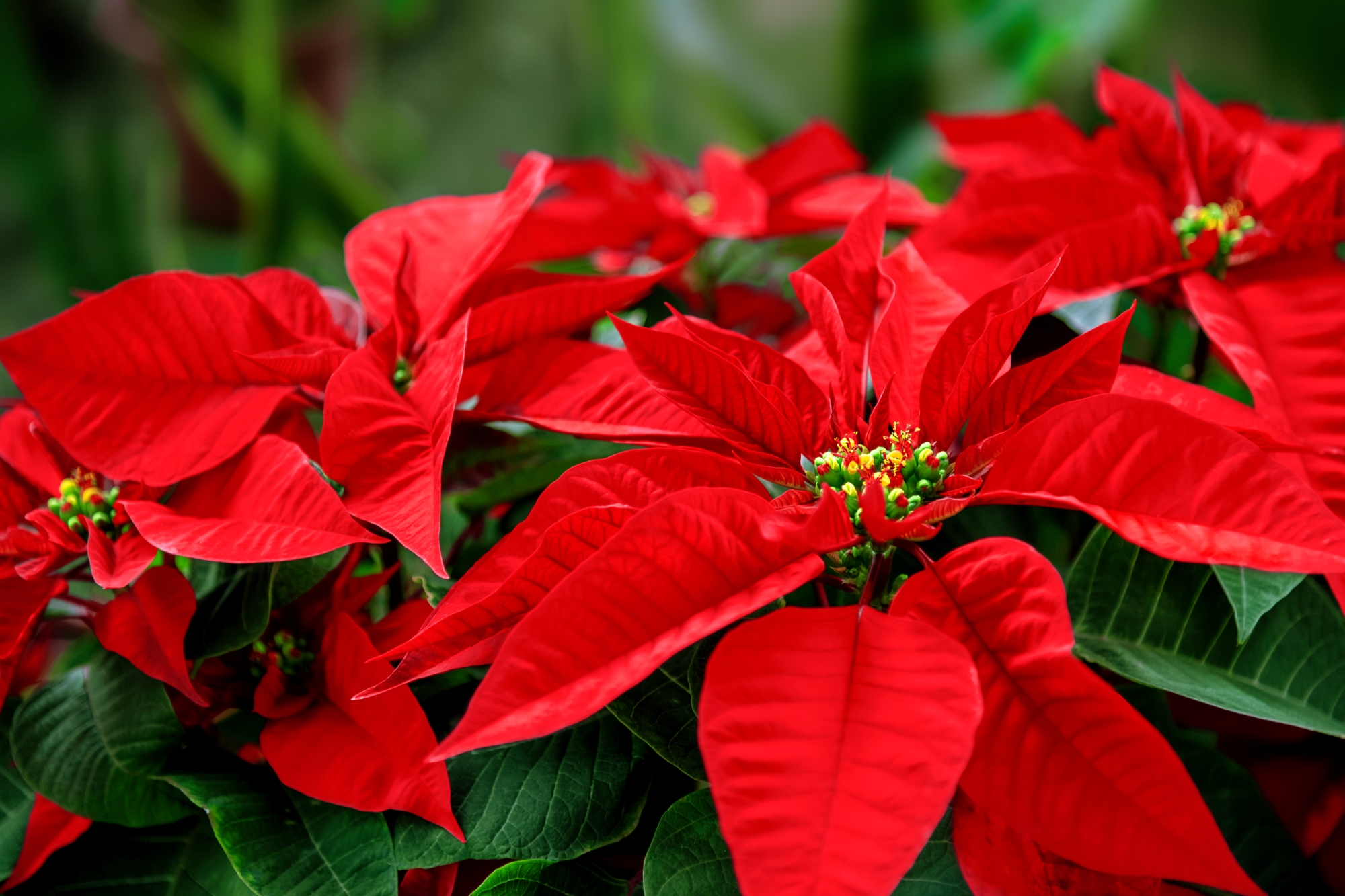
The colorful parts of a poinsettia are called bracts. These are modified leaves, not the plant’s true flowers. The small yellow-green structures in the center are the actual flowers, also called cyathia. As the plant responds to the long nights, its upper leaves begin to develop the familiar red, pink, white, or other cultivar-specific shades.
You may see the veins or edges of the upper leaves change color before the entire display looks bright. This is normal. Keep the routine steady while the color develops, provided the plant remains healthy and the growing conditions are suitable.
Source: a-z-animals.com
Weeks 1 to 2
Maintain the dark schedule and look for healthy new growth. Obvious color changes may not appear yet.
Weeks 3 to 5
The upper leaves may begin to show changes in shade as the plant responds to the long nights.
Weeks 6 to 8
Color may become more noticeable, although the pace varies by cultivar and growing conditions.
Weeks 8 to 10
Assess the bracts and continue the routine if needed. Some plants may need additional time to reach the desired appearance.
When Can You Stop the Dark Treatment?
You can usually stop the strict artificial darkness routine once the bracts have developed strong color and the plant is approaching the appearance you want. Move it into a bright indoor location and continue ordinary care. The plant does not need to spend every night in a closet for the rest of winter.
After the treatment, protect the poinsettia from long periods of harsh direct sun, cold window glass, and sudden temperature changes. Bright, indirect light helps maintain healthy foliage. Keep the plant away from hot air blowing from heating vents, which can dry the leaves and soil quickly.
Color is well developed
Move the plant back to its usual bright location and maintain stable conditions.
Color is still developing
Continue the schedule if the plant is healthy and you can maintain proper light, temperature, and watering.
How to Make Your Poinsettia Turn Red Again
To encourage a poinsettia to turn red again, combine long, uninterrupted nights with bright daytime light and steady care. Darkness helps trigger the seasonal color response, but the plant still needs enough light during the day to maintain healthy growth. Neither darkness alone nor extra sunlight alone is a complete solution.
First, keep the plant healthy throughout spring and summer. A poinsettia that has lost many leaves, suffered root damage, or received poor light may struggle to produce a full display. Begin the fall schedule with a plant that has healthy leaves and growing tips.
Second, establish a daily timetable before you begin. Choose a dark period that fits your household schedule, set a reminder if useful, and avoid moving the plant into a brightly lit room during its scheduled night. Small, repeated changes in the routine can make the process less predictable.
Source: cdn.mos.cms.futurecdn.net
Step 1: Keep the plant healthy
During the growing season, give the poinsettia bright light, appropriate water, and a well-drained pot.
Step 2: Begin in early fall
Start the dark treatment around late September or early October for a typical Christmas display.
Step 3: Set the schedule
Provide 14 to 16 hours of darkness followed by 8 to 10 hours of bright daytime light.
Step 4: Keep conditions stable
Avoid cold drafts, excessive heat, soggy soil, and frequent changes in location.
Step 5: Watch for color
Check the upper leaves weekly and continue the treatment until the bracts have developed the color you want.
A Simple Daily Schedule
A practical schedule is to put the plant in darkness at 5 p.m. and return it to bright light at 8 a.m. the following morning. This gives the poinsettia 15 hours of darkness and 9 hours of light. If those times do not fit your day, choose another consistent schedule with the same total hours.
For example, you could use a dark period from 6 p.m. to 9 a.m. and daytime light from 9 a.m. to 6 p.m. The important point is to repeat the schedule daily rather than switching between long and short nights.
Morning
Bring the plant into bright, indirect daylight at the planned time.
Late afternoon
Move it to the dark location before household lights or outdoor light can interrupt the night.
Every day
Keep the schedule consistent, including weekends and holidays.
What Temperature and Water Does a Poinsettia Need During Darkness?
Keep a poinsettia in a stable, comfortable indoor environment during its dark treatment. Temperatures around 65 to 70 degrees Fahrenheit are suitable for many indoor poinsettias, while prolonged exposure to cold can damage the plant. Avoid placing it beside an exterior door that opens often or near a drafty window.
Watering matters just as much as light. Check the potting mix with a finger rather than watering on a fixed daily schedule. When the surface begins to feel dry, water thoroughly and let excess water drain away. Do not leave the pot standing in water inside a decorative container or saucer.
Darkness does not mean the plant stops using water. The rate of water use may change with temperature, light, pot size, and plant growth. Check the soil regularly, but do not water simply because the plant has been in a closet for several hours.
Source: cdn.mos.cms.futurecdn.net
Temperature
Aim for stable indoor conditions and avoid prolonged cold exposure or hot drafts.
Water
Water when the surface of the potting mix begins to dry, then allow the pot to drain fully.
Drainage
Use a container with drainage holes and empty standing water after watering.
Humidity
Avoid extremely dry, hot air that can increase moisture loss from leaves.
Should You Fertilize During the Dark Treatment?
A poinsettia that is receiving normal care usually does not need extra fertilizer just because the dark treatment has started. Excess fertilizer will not replace the need for uninterrupted nights. Follow the fertilizer label and the plant’s growth stage rather than adding more in an attempt to speed up color development.
If the plant is actively growing and needs routine feeding, use a balanced houseplant fertilizer according to its label during the appropriate growing period. Avoid feeding a stressed plant with damaged roots or severe leaf loss until you have corrected the underlying problem.
Healthy plant
Maintain a suitable feeding routine without increasing fertilizer to force faster color.
Stressed plant
Check watering, drainage, temperature, and light before considering fertilizer.
Common Mistakes That Stop Poinsettias From Changing Color
The most common reason a poinsettia fails to develop its expected color is an inconsistent dark period. A plant may receive enough hours of darkness on some nights but too few on others. Household lighting, a nearby window, or an open closet door can interrupt the routine.
Another problem is starting too late. Poinsettias need several weeks to respond to the seasonal light pattern. If you begin the process only a few days before a holiday, the plant is unlikely to develop a full display in time.
Poor general care can also slow the process or cause leaf loss. A plant with soggy roots, severe dryness, cold damage, or inadequate daytime light may struggle even when the night schedule is correct. Check the whole growing environment before changing the light routine repeatedly.
Source: savvygardening.com
Interrupted nights
Use a reliably dark location and prevent lamps or room lights from reaching the plant.
Too little daytime light
Return the plant to a bright location for its daytime period instead of keeping it in a dim room all day.
Too much water
Allow excess water to drain and check the potting mix before watering again.
Cold or hot drafts
Keep the plant away from drafty doors, cold glass, fireplaces, and heating vents.
Impatience
Allow several weeks for the bracts to develop color instead of expecting a quick change.
Why Is My Poinsettia Still Green?
If your poinsettia remains green after several weeks, first review the nightly schedule. Confirm that it receives a full 14 to 16 hours of darkness every night and that bright light does not interrupt the period. Then check whether it receives bright daytime light and remains in a stable indoor environment.
Next, consider the cultivar. Not every poinsettia turns red. Some varieties develop pink, white, cream, or mottled bracts, so the plant’s natural color may differ from the classic red display. A healthy plant may also need more time than expected to show a strong color change.
If the plant is losing leaves or looks wilted, investigate watering, drainage, and temperature before assuming the dark schedule is the only problem. Correcting those conditions may improve the plant’s overall health, although damaged foliage will not always recover.
Check the clock
Verify the actual number of uninterrupted dark hours rather than estimating.
Check the cultivar
Confirm whether the plant is expected to develop red or another color.
Check plant health
Look for dry soil, soggy roots, cold injury, pests, and weak daytime light.
Why Are the Leaves Falling Off?
Leaf drop can result from several problems, including sudden temperature changes, overwatering, underwatering, and poor growing conditions. It does not automatically mean the dark treatment has failed. Look at the soil and the environment before changing the schedule.
If the soil is wet for a long time and the leaves turn yellow, check the drainage holes and remove any standing water. If the mix is very dry and the plant wilts, water thoroughly and let the pot drain. If leaves fall after exposure to cold air, move the plant to a more stable location.
Yellow leaves and wet soil
Check for excess water and poor drainage.
Dry soil and wilting
Water the root ball thoroughly and allow the pot to drain.
Sudden leaf drop
Review recent temperature changes, drafts, and relocation.
Does the Dark Schedule Change by Location in the United States?
The basic darkness requirement stays much the same across the United States, but indoor conditions can vary by region. In northern states, fall days become shorter earlier, while southern states may retain longer daylight and warmer conditions. Homes also differ in their use of evening lighting, heating, and air conditioning.
Because poinsettias respond to the length of uninterrupted darkness rather than to a specific state or city, a consistent indoor schedule is a practical option in different climates. The main regional concern is keeping the plant at a suitable temperature and avoiding strong drafts or excessive heat.
In warmer parts of the country, do not place a poinsettia in a hot garage or enclosed porch just to achieve darkness. In colder regions, avoid unheated rooms that can drop to temperatures that damage tropical plants. A stable indoor location is more useful than an extreme environment.
Source: zenofwatering.com
Northern states
Protect the plant from cold windows, exterior doors, and unheated spaces during the fall.
Southern states
Choose a cool-to-warm indoor space with stable conditions rather than a hot enclosed area.
Homes with evening lighting
Use a dark closet or a suitable lightproof cover to prevent household light from interrupting the night.
Can You Use Natural Fall Nights Instead?
Yes, natural fall nights may be enough if the poinsettia receives long, uninterrupted darkness and the days provide suitable light. This can work well for plants kept in rooms that are naturally dark at night. However, a living room used late into the evening may expose the plant to artificial light that changes the effective night length.
If you are unsure whether natural conditions are reliable, a controlled schedule offers a simpler way to manage the process. The goal is not to make the plant cold or keep it in darkness around the clock. It is to provide a long night followed by a proper daytime light period.
Natural darkness may work
Use it when the plant receives long, uninterrupted nights without artificial light.
Artificial darkness is more controlled
Use a dark enclosure when household lighting makes the natural night period unpredictable.
A Practical Poinsettia Darkness Calendar
A calendar can help you stay consistent, but treat it as a guide rather than a guarantee. Poinsettias differ in their response, and growing conditions can change the timing. Use the schedule below to plan a typical Christmas display, then adjust based on the plant’s progress.
Before the first night, choose a dark location, check the plant’s health, and decide when you will move it each day. If you can maintain a regular routine for eight to ten weeks, you have a useful starting plan for encouraging holiday color.
Source: bybrittanygoldwyn.com
Late September
Inspect the plant, check drainage, and prepare a dark location. Begin the nightly schedule if you want color around Christmas.
October
Maintain 14 to 16 hours of darkness and 8 to 10 hours of bright daytime light. Check soil moisture and plant health regularly.
Early November
Look for the first color changes in the upper leaves and continue the schedule without interruptions.
Late November
Assess the bracts. Continue the dark treatment if the color is still developing and the plant remains healthy.
Early to mid-December
Once the display has developed, return the plant to a bright indoor location and maintain normal care.
What If You Miss the September Start Date?
If October has already passed, you can still try the dark treatment. Begin as soon as you can maintain the schedule, then allow eight to ten weeks for the plant to respond. The color may develop after Christmas, depending on the starting date and the plant’s condition.
Do not try to make up for missed weeks by placing the plant in darkness all day or by using an excessively long night. The plant still needs daytime light. A steady routine is more useful than an extreme one.
Start now
Begin a consistent 14- to 16-hour night rather than waiting for another season.
Keep expectations flexible
Allow the plant to develop color on its own schedule.
Maintain normal care
Do not sacrifice healthy watering, drainage, or temperature conditions to force faster results.
Frequently Asked Questions
Q
Should I put my poinsettia in the dark every night?
Yes, if you are trying to encourage it to develop holiday color. Provide 14 to 16 hours of uninterrupted darkness each night, followed by 8 to 10 hours of bright daytime light. Repeat the routine daily for about 8 to 10 weeks.
Q
Can I put my poinsettia in a dark closet overnight?
Yes. A dark closet can work if it stays at a suitable indoor temperature and provides enough room for the plant. Make sure the closet blocks light, has reasonable airflow, and does not expose the plant to cold or hot conditions.
Q
Can a poinsettia turn red again without being put in a closet?
Yes. Natural fall nights may provide the darkness the plant needs if artificial light does not interrupt them. A closet is useful when indoor lighting makes it difficult to provide long, uninterrupted nights. The plant must also receive bright daytime light and proper care.
Q
How long does it take for a poinsettia to turn red?
The process commonly takes about 8 to 10 weeks of suitable long nights and bright days, although the timing varies. Some plants begin showing color earlier, while others take longer. The cultivar, plant health, and growing conditions all affect the result.
Q
Can I leave my poinsettia in the dark for 24 hours?
No. A poinsettia needs a daily period of light to support healthy growth. Keep darkness to about 14 to 16 hours and provide 8 to 10 hours of bright light. Continuous darkness is not a substitute for the normal day-night cycle.
Q
What if my poinsettia does not change color after several weeks?
Check that the plant receives enough uninterrupted darkness, bright daytime light, suitable temperatures, and appropriate water. Also confirm the cultivar’s natural bract color. If the plant is losing leaves or wilting, address those problems before changing the schedule.
Q
Is it too late to put my poinsettia in the dark in November?
You can still start in November, but the plant may not develop strong color by Christmas. Continue the routine for about 8 to 10 weeks and let the plant respond naturally. A later start may produce a colorful display later in winter.
✦ Wrapping Up
Conclusion
The best time to put your poinsettia in the dark is usually late September or early October if you want a colorful plant for Christmas. Give it 14 to 16 hours of complete darkness each night and 8 to 10 hours of bright light during the day. Continue the routine for about 8 to 10 weeks, checking the plant’s progress as the upper leaves begin to change color.
A healthy poinsettia also needs steady indoor temperatures, proper drainage, and careful watering. Keep it away from cold drafts, heating vents, and nighttime light that could interrupt its dark period. If the plant does not change color on your expected schedule, review its growing conditions and allow more time rather than trying to force the process.
💡 Key Takeaway
Choose a consistent 15-hour dark period, such as 5 p.m. to 8 a.m., and provide bright daytime light for the remaining 9 hours. Start in late September or early October, maintain the schedule daily, and watch for developing bract color before returning the plant to normal holiday display conditions.
I enjoy sharing simple gardening ideas, lawn care tips, and honest product reviews that help make outdoor work easier. From home gardening guides to helpful tools and lawn care advice, I write easy-to-follow content to help readers create a healthier and better-looking outdoor space without wasting time or money.