As an Amazon Associate, I earn from qualifying purchases.
The best drought-tolerant summer flowers for Texas gardens include moss rose, zinnias, blanket flower, black-eyed Susan, purple coneflower, autumn sage, and native prairie flowers. Choose plants suited to your Texas region, give them well-drained soil, and water deeply while their roots establish.
Texas summers can test even a keen gardener. In places such as Dallas, Austin, San Antonio, Houston, and El Paso, summer heat can dry the soil fast, while long stretches without rain can leave flower beds looking tired. A smart way to keep color in the yard is to choose flowers that can handle heat and short dry spells once established.
The right plant depends on where you live. West Texas has a dry climate and often alkaline soil, while East Texas tends to have more humidity and rainfall. North Texas can swing from spring storms to intense summer heat, and Central Texas often has shallow, rocky soil. No single flower will thrive in every yard, but a mix of hardy annuals, native perennials, and water-wise plants can make a colorful bed easier to maintain.
Drought-tolerant does not mean that a plant never needs water. All flowers need moisture while seeds sprout and roots grow, and even established plants can suffer during extreme heat or a prolonged drought. The goal is to grow flowers that need less frequent watering after they settle in, rather than plants that must be kept wet all summer.
What Makes a Summer Flower Drought-Tolerant in Texas?
A drought-tolerant flower can cope with limited soil moisture better than a plant that needs steady watering. Some have narrow or waxy leaves that slow water loss. Others grow deep roots, store water in fleshy leaves, or naturally thrive in dry, sunny places. These traits help them handle summer conditions, but they do not make the plants immune to drought.
Texas gardens face several different stresses at once. Strong sun can heat the soil, hot winds can pull moisture from leaves, and compacted or shallow soil may limit root growth. A flower that thrives in sandy soil near the Gulf Coast may struggle in heavy clay or on a rocky Central Texas slope.
Look for flowers that suit your local conditions, not simply plants labeled drought-resistant. A good match for the site can need far less care than a plant that is constantly fighting the soil, humidity, or amount of sunlight.
Source: i.pinimg.com
Heat tolerance
Choose flowers that continue to grow and bloom in hot weather. Heat tolerance matters during Texas summers, when cool-season flowers may fade or stop flowering.
Low water needs after establishment
Established plants with suitable roots can often go longer between watering sessions. Newly planted flowers still need regular attention.
Good drainage
Many drought-tolerant flowers dislike waterlogged roots. Improve drainage where needed, and avoid watering on a fixed schedule when the soil remains wet.
Fit for local soil
Match plants to sandy, clay-rich, rocky, or alkaline soil where possible. Do not assume every Texas garden has the same soil conditions.
Drought-Tolerant Does Not Mean No-Water
A new flower has a small root system and cannot reach moisture far below the surface. Water it as needed while it settles in, even if it is known for surviving dry weather. Once established, it can usually cope with longer gaps between watering, depending on the species, soil, and weather.
During a severe drought, watch for persistent wilting, scorched leaves, or a sudden drop in blooms. Check the soil before adding water. If it is dry several inches down, a slow, deep watering may help; if it is still wet, more water can make the problem worse.
Best approach
Check soil moisture, water deeply when needed, and adjust the schedule after rain or during a heat wave.
10 Best Drought-Tolerant Summer Flowers for Texas Gardens
Several annuals and perennials can bring lasting color to a Texas yard without demanding constant irrigation. The strongest choices depend on your region and site, but the flowers below are useful starting points for sunny beds, borders, containers, and native-style gardens.
Mix plants with different flower shapes and bloom times to keep the garden lively. Pair low-growing flowers at the front of a bed with taller blooms behind them, and leave enough space for air to move between plants. This is especially useful in humid parts of Texas, where crowded foliage can stay damp after rain or watering.
Source: gardenloversclub.com
Moss rose (Portulaca grandiflora)
Moss rose is a low-growing annual with bright, rose-like flowers and fleshy leaves that help it cope with dry conditions. It performs well in full sun and fast-draining soil, including many hot, dry beds and containers. Avoid soggy soil, and remember that some named varieties may not behave like native plants.
Blanket flower (Gaillardia species)
Blanket flowers bring red, orange, and yellow tones to sunny beds. Many types tolerate heat and lean, well-drained soil once established. They are useful for pollinator-friendly plantings, though flowering and longevity vary by species and growing conditions.
Autumn sage (Salvia greggii)
Autumn sage is a shrubby perennial native to parts of Texas and nearby regions. Its tubular flowers attract hummingbirds and other pollinators. Plant it in sun and well-drained soil, and avoid keeping its roots wet. It can be a strong choice for Central and West Texas sites where the local conditions suit it.
Purple coneflower (Echinacea purpurea)
Purple coneflower has pink-purple petals around a raised central cone. It can handle summer heat after establishment and offers a useful food source for pollinators. It generally performs best with some soil moisture and should not be treated as a desert plant, especially during its first growing season.
Black-eyed Susan (Rudbeckia species)
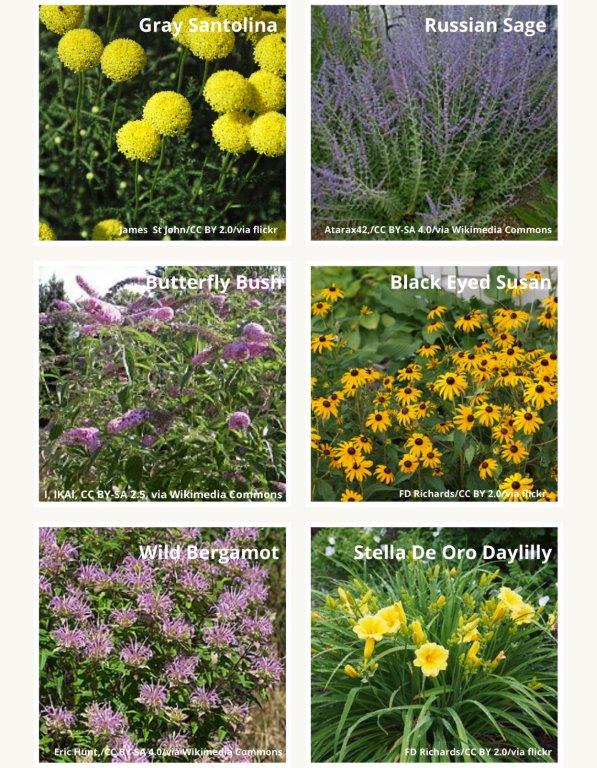
Black-eyed Susans produce golden-yellow flowers with dark centers. Many varieties work well in sunny Texas gardens, though their moisture needs differ. Choose a variety suited to your area and provide extra water during establishment and extended dry spells.
Zinnias (Zinnia species)
Zinnias are popular warm-season annuals with flowers in many colors and sizes. They thrive in warm weather and can bloom for months when given sun and sensible care. They need water to establish and flower well, so think of them as heat-tolerant annuals that can handle moderate dry spells rather than plants that need no irrigation.
Texas lantana (Lantana urticoides)
Texas lantana is a woody native shrub with clusters of orange and yellow flowers. It tolerates heat and dry conditions once established and can work well on sunny slopes or in low-water landscapes. Check the plant’s mature size before planting, and avoid confusing native Texas lantana with other lantana species that may spread or behave differently.
Coreopsis (Coreopsis species)
Coreopsis adds cheerful yellow flowers to sunny beds. Some species are native to Texas and can tolerate dry periods after establishment. Pick a locally suitable species, since moisture needs, height, and life span differ across the group.
Winecup (Callirhoe involucrata)
Winecup is a low-growing Texas native perennial with vivid magenta flowers. Its spreading habit can soften the edges of sunny beds and rock gardens. It often suits well-drained soil, but its performance still depends on local rainfall, soil depth, and site conditions.
Native prairie wildflowers
Locally appropriate wildflowers can bring seasonal color and support native insects. Choose species suited to your part of Texas and the planting site. Many prairie flowers bloom in spring rather than peak summer, so combine species with different bloom periods if you want color throughout the warm season.
Which Flowers Are Best for Containers?
Moss rose is a strong option for sunny pots because it stays low and handles dry spells better than many lush annuals. Zinnias can also grow in containers if the pot is large enough and has drainage holes. Use a quality potting mix, not heavy garden soil, and place containers where they receive the light the selected plant needs.
Even drought-tolerant plants in pots may need more frequent watering than plants in the ground. Containers hold less soil, and their sides heat up in the sun. During very hot weather, check pots daily and water when the mix is dry enough to need it.
Choose pots with drainage
Drainage holes help prevent water from pooling around roots. Empty saucers after watering when excess water remains.
Use enough soil volume
Larger pots tend to dry more slowly than small pots. Select a container that fits the plant’s mature size and root system.
Choose Flowers That Match Your Part of Texas
Texas is too large and varied for one planting plan to work everywhere. Before buying flowers, consider local summer temperatures, rainfall, winter cold, soil type, and whether the garden receives full sun or afternoon shade. A plant described as drought-tolerant may still struggle if the soil stays wet or if the site does not match its needs.
Local native-plant societies, county horticulture resources, and Texas A&M AgriLife Extension can help identify plants suited to a specific county or growing area. Local advice is especially useful when choosing native species or plants for a site with heavy clay, caliche, or poor drainage.
Source: lawnstarter.com
North Texas
Look for heat-tolerant flowers that can also handle occasional cold winters. Blanket flower, suitable coreopsis, zinnias, and black-eyed Susans may fit sunny beds when the soil and moisture conditions suit them. In heavy clay, focus on drainage and avoid planting drought-tolerant species in low spots that stay wet.
Central Texas
Rocky soil, strong sun, and dry spells make well-adapted native plants useful. Autumn sage, Texas lantana, winecup, and suitable native wildflowers can work in the right sites. Many rocky beds have little soil depth, so new plants may need careful watering until roots establish.
East Texas
Higher humidity and more frequent rainfall can change plant care. Choose flowers that handle heat while matching local soil drainage. Avoid assuming a dry-climate plant will thrive in a damp bed, and give crowded plants room to dry after rain.
Gulf Coast
Heat, humidity, heavy rain, and occasional flooding can all affect summer flowers. Use well-drained planting areas and select plants suited to local moisture and disease pressure. A flower that survives drought may still suffer if its roots remain saturated.
West Texas
Low rainfall, strong sun, wind, and often alkaline soils favor plants that suit dry conditions. Moss rose, Texas lantana, and locally adapted native flowers may be useful options. Water new plants during establishment and protect them from severe stress while roots grow.
How Much Sun Should the Flower Bed Get?
Most flowers in a low-water summer bed need at least six hours of direct sun, but check the needs of each species. A plant that prefers full sun may bloom poorly in deep shade, while a plant placed against a hot wall may receive more reflected heat than expected.
Watch the site at different times of day before planting. Morning sun with some afternoon shade can help certain flowers in the hottest areas of Texas, but shade may also reduce blooms for plants that need strong light. Match the plant to the actual conditions rather than trying to force the site to suit every flower.
Full sun
Use for flowers that thrive in six or more hours of direct sunlight and can tolerate the site’s heat.
Part shade
Use only for species that tolerate less direct light. Check whether the plant still needs sun to bloom well.
How to Plant a Low-Water Summer Flower Bed
A drought-tolerant flower bed starts with the right site and healthy roots. Good plant choices can reduce water needs, but poor planting and weak establishment can still lead to wilted flowers. Prepare the soil, space the plants well, and build a watering routine that responds to conditions.
Planting during the cooler part of the growing season can give many perennials time to establish before peak summer heat. If you plant during summer, choose healthy plants, avoid the hottest part of the day, and keep a closer eye on soil moisture until the roots spread.
Source: gardeningolivia.com
Step 1: Check the Soil and Drainage
Dig a small test hole and inspect the soil. Sandy soil drains quickly and may need more frequent watering, while clay can hold moisture for longer and may become compacted. Rocky or caliche-rich ground can restrict root growth, so consider a raised bed or another planting area if roots cannot penetrate the soil.
Do not add large amounts of sand to clay soil in an attempt to improve drainage. That can produce a dense mix rather than a loose, healthy soil. When organic matter is appropriate, use a modest amount of finished compost to improve soil structure, while keeping the needs of native plants in mind.
Look for standing water
If water remains around the planting area long after rain, select plants that tolerate the conditions or improve drainage before planting.
Step 2: Place Flowers by Height and Water Needs
Put taller flowers toward the back of a border or where they will not shade shorter plants. Place spreading flowers such as winecup where they have room to grow without covering smaller plants. Check the expected mature width on plant labels and leave enough space for airflow.
Group plants that need similar amounts of water. This makes irrigation easier and prevents a dry-soil plant from receiving frequent water just because a nearby flower needs it. It also helps you spot problems when one group starts to wilt while another remains healthy.
Use a simple layout
Combine low-growing flowers at the front, medium-height plants in the middle, and taller species at the back, adjusting the plan for sun and mature size.
Step 3: Plant at the Correct Depth
Set most nursery-grown flowers at the same depth they were growing in their pots, unless the plant’s instructions say otherwise. Firm the soil gently around the roots, then water to settle the soil and remove large air gaps. Avoid burying stems or crowns that need to remain above the soil surface.
Do not plant a root-bound flower and leave it dry in the ground. Loosen tightly circling roots gently when appropriate, then water the plant well. Handle roots with care, since damaged roots can make it harder for a plant to cope with heat.
Check the root ball
The roots should be surrounded by soil, and the plant should sit upright without a deep depression that collects water.
Step 4: Water Deeply During Establishment
Water new flowers enough to moisten the root zone, then check the soil before watering again. The right interval depends on the plant, weather, soil, and planting method. A small pot of flowers may dry out much faster than a perennial planted in the ground.
As roots grow, gradually adjust the watering routine so the plants are not kept constantly wet. Deep watering encourages roots to grow into the soil, while frequent shallow sprinkling can leave much of the root zone dry. Do not let a new plant repeatedly wilt just to make its roots grow deeper.
Check moisture near the roots rather than relying only on the soil surface. Water when the root zone is becoming dry, while accounting for the species’ needs.
Step 5: Add Mulch Where It Helps
A layer of organic mulch can reduce moisture loss, limit weeds, and help keep soil temperatures more stable. Use a modest layer suited to the site, and keep mulch a few inches away from plant stems and crowns. Thick piles against stems can hold unwanted moisture and encourage decay.
In a native planting, choose mulch carefully and avoid covering low-growing plants that need open space or sunlight. Some dry-climate flowers perform best with excellent drainage and little organic material around the crown. Let the plant’s needs guide the final choice.
Keep mulch in place
Check after storms and strong winds, and spread it evenly rather than piling it around stems.
Watering Drought-Tolerant Flowers Through a Texas Summer
The best watering plan is based on soil moisture and plant needs, not a rigid calendar. A week with heavy rain may require no extra water, while a stretch of hot, windy weather can dry a bed quickly. Check the root zone before turning on irrigation.
Watering early in the morning is often practical because it gives plants moisture before the heat of the day. Aim water at the soil rather than spraying foliage, especially in humid areas where wet leaves can contribute to disease. Use a slow flow that soaks into the ground instead of running off hard or sloped soil.
Source: i.ytimg.com
Newly planted flowers
Check moisture often during the first weeks and water when the root zone needs it. Small transplants and plants set out during a heat wave need close attention.
Established perennials
Water less often than new plants when the species and soil allow it, but provide deep irrigation during prolonged dry spells if the root zone becomes too dry.
Flowers in containers
Check pots more often because they hold less soil and heat up quickly. A drought-tolerant plant in a small pot may still need frequent watering during extreme heat.
After rainfall
Check how deeply the rain soaked the soil. A brief shower may wet only the surface, while a slow, steady rain may supply much more moisture.
Signs Your Flowers Need Water
Persistent wilting, dry soil around the root zone, and leaves that lose firmness can signal water stress. However, wilting in the afternoon is not always proof that a plant needs water. Heat can temporarily cause a plant to lose moisture faster than its roots can replace it, even when the soil is damp.
Check the soil before watering. If it is dry near the roots, water slowly and reassess the plant. If it is wet, inspect drainage and root health instead of adding more water. Yellow leaves, soft stems, and a sour smell near the root zone can point to excessive moisture or root damage.
When the soil is dry
Water the root zone thoroughly and watch for recovery. If the plant does not improve, check for heat damage, pests, or root problems.
When the soil is wet
Pause irrigation and check drainage. Adding more water to saturated soil can worsen root stress.
How to Reduce Water Loss Without Stressing Plants
Mulch, suitable plant spacing, and healthy soil can help make each watering more useful. Avoid overfeeding flowers with nitrogen, which can push soft leafy growth that needs more water. Remove weeds that compete with flowers for moisture, especially while plants are young.
Do not remove large amounts of healthy foliage during a heat wave. Leaves help plants make food, and severe pruning can add stress. Remove dead or diseased growth as needed, but save major shaping for a suitable time for the species.
Limit competition
Pull weeds before they set seed and keep the planting area free of plants that compete heavily for moisture.
Avoid excess fertilizer
Use fertilizer only when there is a clear need, and follow the product label. Too much can encourage weak growth and add unnecessary salt to the soil.
Common Problems and How to Fix Them
A flower bed can struggle even when you choose drought-tolerant plants. The most useful first step is to identify whether the problem comes from water, soil, sunlight, pests, or normal seasonal behavior. Avoid adding water or fertilizer until you have checked the likely cause.
Source: crosstimbersgazette.com
Leaves turn brown at the edges
Possible causes include dry roots, hot wind, reflected heat, salt buildup, or root damage. Check soil moisture and drainage first, then consider whether the plant is suited to the location.
Plants wilt despite watering
Water may be running off instead of soaking in, or roots may be damaged by waterlogged soil. Check moisture below the surface and make sure the root zone is getting wet without staying saturated.
Flowers grow leaves but few blooms
Too much shade, excess nitrogen, or the wrong seasonal timing can reduce flowering. Confirm the plant’s sunlight needs and avoid adding fertilizer without a clear reason.
Plants collapse after heavy rain
Poor drainage, weak stems, or disease may be involved. Improve airflow, remove badly damaged growth when appropriate, and choose species that fit the moisture conditions.
Flowers fade early in summer
Some flowers bloom most heavily in spring or cool weather and naturally slow down as heat rises. Select warm-season annuals or long-blooming perennials if summer color is the main goal.
New plants fail during a dry spell
The root systems may not have developed enough to reach deeper moisture. Plant at a more suitable time when possible and provide consistent establishment care before reducing irrigation.
Should You Cut Back a Wilted Flower?
Do not cut a plant back heavily just because it wilts in the afternoon. Check the soil and see whether the plant recovers as temperatures drop. If the soil is dry, water the root zone and remove only dead or badly damaged parts.
If stems are soft, roots smell rotten, or the soil stays saturated, more water may be harmful. Correct the drainage problem and identify the cause before pruning. For a valuable or badly affected plant, a local county horticulture service can help with identification.
Prune with care
Use clean tools and remove only the growth needed to address damage or disease. Follow the pruning needs of the particular species.
Build a Colorful Garden With Less Water
A low-water flower bed does not need to look sparse or dull. Combine different flower colors, heights, and textures to create interest while keeping each plant in a suitable spot. Moss rose can cover the front of a sunny bed, autumn sage can add height and hummingbird appeal, and blanket flower can bring warm colors through summer.
Use a mix of annuals and perennials for a balance of quick color and lasting structure. Annuals such as zinnias can fill open spaces in the warm season, while well-suited perennials return over time. Native plants can also support local pollinators and wildlife, especially when you select species suited to the region.
Do not plant every drought-tolerant flower in one crowded patch simply because the plants share a low-water label. Some need more moisture, some spread widely, and some bloom during different seasons. A garden plan that considers mature size, drainage, sun, and watering needs is easier to maintain and more likely to thrive.
Source: lawnstarter.com
A Simple Sample Planting Plan
For a sunny, well-drained bed in a suitable part of Texas, start with a few autumn sage plants as the main structure. Add blanket flowers and locally suitable coreopsis through the middle, then use moss rose along the front edge where it receives full sun. Fill gaps with zinnias if you want extra seasonal color and are prepared to water them as needed.
This is a sample layout, not a universal Texas planting formula. Adjust the plants for local winter temperatures, soil depth, humidity, and mature size. In areas with heavy clay or poor drainage, choose species that tolerate the site or improve the planting area before using plants adapted to dry, rocky ground.
Structure
Use a few perennial shrubs or clumps as the long-term framework, with enough space for mature growth.
Seasonal color
Add annual flowers where you want extra color and can provide the water they need during establishment and dry spells.
Wildlife value
Choose flowers that offer nectar, pollen, or seeds and avoid unnecessary pesticide use around pollinators.
Care for Pollinators and Local Wildlife
Flowers such as autumn sage, blanket flower, and suitable native wildflowers can provide food for bees, butterflies, and hummingbirds. Choose a range of bloom times when possible, since one short flowering period may leave a gap in the garden’s food supply. Native plants are especially useful when their needs match the local soil and climate.
Avoid spraying insecticides on open flowers when pollinators are active. If pests become a problem, identify them first and use the least disruptive control that works. A healthy garden can support useful insects as well as the flowers themselves.
Keep flowers available
Mix plants with different bloom periods to provide nectar and pollen across more of the growing season.
Use pesticides cautiously
Follow label directions and protect bees, butterflies, and other non-target wildlife.
Common Mistakes to Avoid
Choosing drought-tolerant flowers is only part of the job. The way you plant and care for them can make the difference between a garden that handles summer well and one that struggles by July. Avoid these common mistakes when planning a water-wise Texas flower bed.
Source: i.pinimg.com
Treating every drought-tolerant plant the same
Plants differ in root depth, drainage needs, heat tolerance, and preferred soil moisture. Read plant labels and group flowers with similar needs.
Planting in saturated soil
Many dry-site plants cannot cope with roots that remain wet. Check drainage before planting and avoid low spots that collect runoff.
Skipping establishment watering
New roots cannot access deep soil moisture right away. Give transplants the care they need before reducing irrigation.
Relying on shallow sprinkling
A quick sprinkle may wet the surface but leave the root zone dry. Apply water slowly enough to soak into the soil.
Using too much fertilizer
Extra fertilizer does not make a plant more drought-tolerant. Excess nutrients may promote leafy growth, weaken flowering, or cause other problems.
Ignoring mature plant size
Crowded flowers compete for light, air, water, and nutrients. Follow spacing guidance and allow room for spreading plants.
Expecting flowers to thrive without any care
Extreme drought, heat waves, pests, and poor soil can stress even hardy species. Inspect the bed regularly and respond to the actual problem.
A Note About Native and Non-Native Flowers
A flower can tolerate drought without being native to Texas. Native plants may offer benefits for local wildlife and can fit regional conditions well, but a plant’s native status alone does not guarantee that it will thrive in every yard. Soil, sunlight, drainage, and local climate still matter.
Before planting a species that spreads readily, check local guidance on its behavior and suitability. Choose a named native species when supporting local ecology is a goal, and avoid releasing garden plants into natural areas. This is particularly important near waterways, parks, and native prairie remnants.
Check plant identity
Use the botanical name on the label when common names refer to several different species with different growth habits.
Frequently Asked Questions
Q
What are the most drought-tolerant summer flowers for Texas?
Moss rose, blanket flower, autumn sage, Texas lantana, and suitable native wildflowers are useful options for many sunny Texas gardens. Their performance depends on your region, soil, drainage, and how long the plants have been established. Zinnias and black-eyed Susans can also provide summer color, but they may need more water during long dry spells.
Q
Which Texas flowers can survive full sun and extreme heat?
Moss rose, Texas lantana, and autumn sage can handle strong sun and heat when planted in suitable soil. Blanket flower and locally adapted native species may also do well. Full sun alone is not enough to judge suitability, so check drainage and local growing guidance before planting.
Q
Do drought-tolerant flowers need watering every day?
Established drought-tolerant flowers usually do not need daily watering in the ground, but new transplants and container plants may need water more often. Check moisture around the roots and adjust for rainfall, wind, soil type, and heat. Water deeply when needed rather than following a fixed daily schedule.
Q
When should I plant drought-tolerant flowers in Texas?
The best planting time depends on the flower and your part of Texas. Many perennials establish well when planted during a milder period that allows roots to grow before severe summer heat. Warm-season annuals such as zinnias and moss rose should be planted after frost danger has passed and conditions suit the species. If planting during summer, provide close attention to moisture while the roots establish.
Q
Can I grow drought-tolerant flowers in heavy clay soil?
Yes, if you select plants that suit the soil and address drainage problems. Heavy clay can hold water for a long time, which may harm flowers adapted to dry, well-drained ground. Avoid planting those species in saturated spots, and consider a raised bed or a better-drained area when the soil remains wet after rain.
Q
Are native Texas flowers better for a low-water garden?
Native flowers can be excellent choices when their natural habitat matches your garden’s conditions. They may support local wildlife and fit regional rainfall patterns, but native plants still need proper establishment care. Select species suited to your county, soil, sun exposure, and drainage instead of assuming every Texas native is drought-proof.
Q
How can I keep my summer flower garden colorful during a drought?
Choose plants suited to dry conditions, group them by water needs, mulch where appropriate, and remove weeds that compete for moisture. Mix annuals with established perennials and select species with different bloom periods. During a prolonged drought, prioritize the health of new plantings and valuable perennials rather than expecting every flower to bloom at its usual level.
✦ Wrapping Up
Conclusion
Drought-tolerant summer flowers can bring color and life to Texas gardens without the need for constant irrigation. Moss rose, blanket flower, autumn sage, Texas lantana, and suitable native wildflowers are useful choices for many sunny sites, while zinnias and black-eyed Susans can add seasonal color when their water needs are met.
The key is to match each flower to your region, soil, drainage, and sunlight. Water new plants as they establish, check the root zone before irrigating, and use mulch where it benefits the plants. Even hardy flowers need help during extreme heat and long dry spells, but the right planting plan can make a summer garden easier to care for.
💡 Key Takeaway
Start by checking your garden’s sunlight and drainage. Choose three or four flowers suited to your Texas region, group them by water needs, and give new plants steady establishment care before reducing irrigation.
I enjoy sharing simple gardening ideas, lawn care tips, and honest product reviews that help make outdoor work easier. From home gardening guides to helpful tools and lawn care advice, I write easy-to-follow content to help readers create a healthier and better-looking outdoor space without wasting time or money.