As an Amazon Associate, I earn from qualifying purchases.
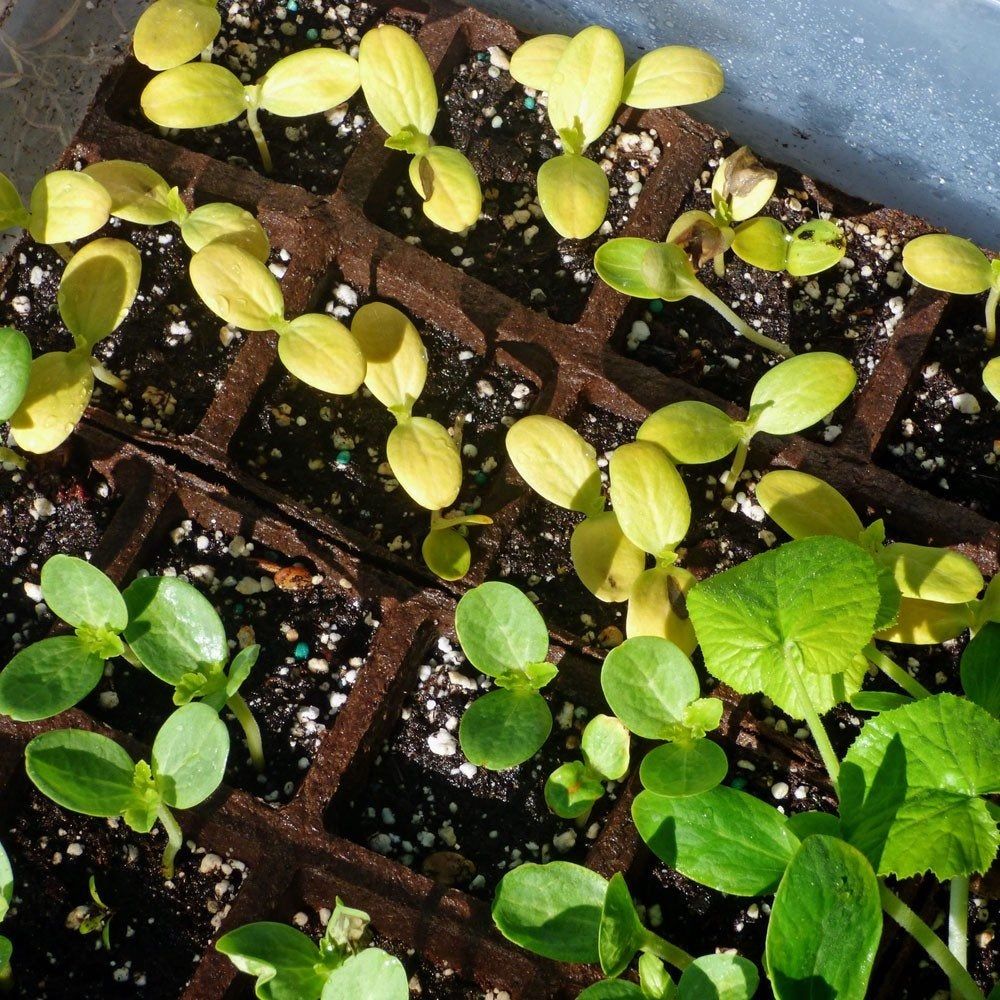
Seedlings usually turn yellow because of excess water, poor drainage, too little light, low nutrient levels, temperature stress, or root damage. Check the soil, leaves, stems, and growing conditions before changing anything. The right fix depends on which signs appear together.
Across the United States, gardeners start seeds indoors in late winter, raise vegetables in sunny windows, and move young plants into raised beds when spring arrives. Tomato, pepper, lettuce, cucumber, and other seedlings may look healthy one day and develop pale or yellow leaves the next. A few yellow leaves do not always mean a plant is dying, but widespread yellowing deserves a closer look.
The first step is to find out where the yellowing starts and how quickly it spreads. Older leaves turning pale can point to a different problem than yellow new growth, soggy soil, or a stem that darkens near the soil line. Water, light, nutrients, and temperature all affect how well a young plant can grow, so treating the wrong cause can make the problem worse.
This guide explains how to inspect yellow seedlings, identify the most likely cause, and choose a safe next step. It covers common indoor seed-starting problems, vegetable-specific clues, and the signs that suggest a seedling may not recover. You do not need to buy fertilizer or special equipment before making these basic checks.
Seedlings turn yellow when their leaves cannot maintain enough chlorophyll, the green pigment that helps plants use light to make food. This can happen when roots struggle to take up water or nutrients, when leaves receive too little light, or when stress damages normal growth. Yellowing is a symptom, not a diagnosis.
For most home gardeners, the best starting point is to check moisture, drainage, lighting, temperature, and the condition of the stem. These checks are quick and help rule out several common problems before you reach for fertilizer or other treatments.
A single older leaf may yellow as a seedling grows and sheds an early leaf. However, several yellow leaves, stalled growth, soft stems, or rapidly spreading discoloration suggest that the plant needs attention.
Source: gardeningwithallie.com
Too much water
The growing mix stays wet, drainage is poor, and lower leaves may turn pale or yellow as roots struggle to get oxygen.
Too little water
The mix becomes dry, leaves may droop or curl, and the plant can lose its healthy green color if the stress continues.
Insufficient light
Seedlings may stretch toward a window, develop long weak stems, and produce pale leaves because they cannot get enough light for steady growth.
Nutrient problems
Older or newer leaves may turn yellow in patterns that depend on the nutrient involved, the growing medium, and root health.
Disease or root damage
Yellow leaves combined with dark stem lesions, mushy roots, foul-smelling mix, or rapid collapse may indicate disease or severe root stress.
Is yellowing always a sign of a serious problem?
No. The first seed leaves, called cotyledons, often turn yellow and drop as a seedling develops its true leaves. This is a normal part of growth when the plant otherwise looks healthy and continues to produce new leaves.
The difference is the pattern. If only the oldest seed leaves are yellow while the stem remains firm and the true leaves look healthy, you may not need to intervene. If several leaves yellow at once or growth stops, inspect the growing conditions.
Usually less concerning
One or two old seed leaves yellow gradually while healthy true leaves continue to grow.
Needs investigation
Yellowing spreads across several leaves, new growth becomes pale, or the plant wilts despite moist soil.
1. Check for Overwatering and Poor Drainage
Overwatering is one of the first problems to investigate when seedlings turn yellow. Roots need both moisture and air. When the growing mix remains saturated, water fills the spaces that normally hold air, making it harder for roots to function.
Damaged roots may struggle to absorb water and nutrients even when the container feels wet. This can create a confusing combination: the soil is damp, but the leaves look wilted, pale, or yellow. Continued saturation can also favor root decay and seedling diseases.
Do not judge watering needs by the surface alone. The top of a small pot may look dry while the bottom remains wet, especially in a cool room or a container with poor drainage.
Source: mattmagnusson.com
Signs of excess water
The mix stays wet for days, pots feel heavy, lower leaves yellow, growth slows, or the roots become brown and soft.
Check drainage holes
Make sure excess water can leave the container. Empty trays and saucers after watering rather than leaving seedling pots standing in water.
Adjust your watering routine
Water when the growing mix begins to dry at the appropriate depth for the crop and container, rather than following a rigid daily schedule.
How to fix overwatered seedlings
First, stop adding water while the mix is still saturated. Empty any standing water and let excess moisture drain. Keep the seedlings in suitable light and warmth, with gentle air movement rather than a strong fan aimed directly at the leaves.
If the mix smells sour, the roots are mushy, or the container stays soaked for a long time, check the drainage and growing medium. A badly affected seedling may need to be moved into fresh, well-draining seed-starting mix, but avoid disturbing healthy roots without a clear reason.
After correcting the moisture problem, water only when needed. The mix should retain enough moisture to support the crop without remaining waterlogged. New healthy growth is a better recovery sign than the color of damaged leaves.
Avoid watering by the clock
Room temperature, container size, plant size, and airflow all affect how quickly the mix dries.
Use bottom watering carefully
Allow containers to absorb water from a tray for a short period, then remove them and let excess water drain. Do not leave them sitting in the tray.
2. Rule Out Underwatering
Seedlings can also turn yellow when they do not get enough water. Small roots have limited access to moisture, and shallow seed trays can dry out quickly near a sunny window, under grow lights, or in a warm room.
An underwatered seedling often has a light, dry container and growing mix that pulls away from the edges. Leaves may droop, curl, or feel limp. If the dry period lasts too long, the plant may develop yellow or brown edges and stop growing.
Before watering, check the mix beneath the surface. If it is dry and the seedling looks thirsty, water gently and evenly until the mix is moist and excess water drains away.
Source: plantparadiso.com
Signs of underwatering
The container feels unusually light, the mix is dry below the surface, and the leaves droop or curl.
Water slowly
Apply water in small amounts if the mix has become very dry and water runs straight through without soaking in.
Recheck the moisture
Confirm that the mix has absorbed water throughout the root zone rather than only wetting the top layer.
How often should seedlings be watered?
There is no single watering schedule that works for every seedling. A small cell in a warm, bright room may need water much sooner than a larger pot in a cool room. A thirsty cucumber seedling may also use water faster than a small, slow-growing herb.
Check the moisture daily during active seed starting, but water only when the growing mix needs it. Use your finger or lift the container to judge moisture, and learn how quickly your own setup dries out.
Aim for consistent moisture, not constant saturation and not repeated severe drying. This balance helps roots develop while lowering the risk of water-related stress.
Small seed cells
Check them often because they contain little growing mix and can dry out quickly.
Large pots
Check below the surface before watering because the top can dry while the lower mix stays moist.
3. Give Seedlings Enough Light
Insufficient light can make seedlings pale, weak, and unusually tall. Plants use light to produce energy, so a bright-looking room does not always provide enough light for young vegetables. Window glass, short winter days, cloudy weather, and the direction a window faces all affect the light that reaches a plant.
Leggy seedlings often have long, thin stems and wide gaps between leaves. Their foliage may look pale green or yellow-green, especially when weak light occurs alongside overcrowding or poor nutrition. If several plants lean toward the same window, light is a strong possibility.
Move seedlings to a brighter location or use a suitable grow light. Follow the fixture’s instructions for distance and daily use, since light strength varies widely between lamps. Keep the light close enough to reach the seedlings effectively without overheating or scorching them.
Source: i.pinimg.com
Look for stretched growth
Long stems, leaning plants, and large gaps between leaves often indicate inadequate light.
Improve light coverage
Position the light so all seedlings receive reasonably even coverage, and rotate trays if plants lean toward one side.
Use a steady schedule
Give seedlings a regular light and dark cycle instead of leaving lights on around the clock.
Can too much light turn seedlings yellow?
Yes. A powerful grow light placed too close can cause pale patches, leaf bleaching, curling, or dry areas. Direct sun through a window can also heat a tray and stress tender seedlings, particularly after they have grown in low light.
If discoloration is strongest on leaves nearest the lamp or on the sun-facing side, check for excess light and heat. Raise or dim the light if the fixture allows it, or introduce direct sun gradually. Do not assume every pale leaf means the plant needs more light.
Healthy seedlings should develop firm stems and new leaves with a color typical of their species. Changes should be gradual, and damaged leaves may remain discolored even after the conditions improve.
Signs of excess light
Bleached areas, dry patches, or curling on exposed leaves, especially when the lamp or sun also warms the foliage.
Safer adjustment
Change the light distance or intensity in small steps and monitor both leaf color and temperature.
4. Check for Nutrient Deficiencies
A nutrient shortage can cause yellow leaves when seedlings cannot make enough chlorophyll or support normal growth. The pattern of yellowing can offer clues, but leaf color alone cannot identify the missing nutrient with certainty. Waterlogged roots, unsuitable soil pH, and root damage can all prevent a plant from taking up nutrients that are already present.
Many seed-starting mixes contain little or no added fertilizer because tiny seedlings need a gentle growing environment during germination. Once true leaves appear, seedlings may eventually need nutrients if they remain in a low-nutrient mix. Plants growing in a potting mix with added fertilizer may not need extra feeding as soon.
Before adding fertilizer, confirm that the plant receives suitable light and that its roots are not sitting in saturated mix. If those conditions are sound and growth remains pale or slow, check the growing medium’s instructions and consider a fertilizer labeled for seedlings or young plants.
Source: trailingpetunia.com
Possible nitrogen shortage
Older leaves may become evenly pale green or yellow, often with slow growth. Other problems can produce a similar pattern.
Possible iron shortage
The newest leaves may turn yellow between veins while the veins remain greener, especially when the growing medium’s pH limits iron availability.
General nutrient stress
Several leaves may look pale and growth may stall, but the pattern varies with the nutrient, crop, and root condition.
When should you fertilize yellow seedlings?
Fertilize only when the seedling’s stage, growing mix, and condition support that choice. Cotyledons alone are not a reason to begin feeding heavily. Once true leaves develop, plants in a low-nutrient seed-starting medium may benefit from a dilute, complete fertilizer according to its label.
Use the label rate for seedlings or young plants and avoid combining several fertilizers in an attempt to correct yellow leaves quickly. Excess soluble salts can draw water away from roots and cause leaf-tip burn, poor growth, or further discoloration.
If you suspect a specific deficiency, review the crop’s nutrient needs and the growing medium’s pH before treating. A soil or growing-medium test may be useful when symptoms persist, particularly if many seedlings show the same problem.
Start with a suitable product
Choose a complete fertilizer that is labeled for the intended crop and seedling stage.
Do not overfeed
More fertilizer does not mean faster recovery. Follow the label and avoid strong mixes around tender roots.
Check the roots first
If roots are damaged by excess water, adding nutrients may not solve the problem until root conditions improve.
5. Look at Temperature and Airflow
Sudden changes in temperature can stress young plants and slow their ability to take up water and nutrients. Seedlings placed near a cold window, a drafty door, a heating vent, or a hot appliance may experience conditions that change sharply during the day.
Cold, wet growing mix can be especially hard on young roots because it dries slowly and may reduce root activity. Warm air from a vent can create the opposite problem by drying the leaves and mix too quickly. Either situation can contribute to yellowing when the stress is strong or prolonged.
Keep seedlings in a stable environment that suits their crop. Tomatoes, peppers, lettuce, and cool-season herbs do not all have identical temperature needs, so use crop-specific guidance rather than assuming one room temperature is best for every plant.
Source: cdn.mos.cms.futurecdn.net
Move plants away from drafts
Avoid placing trays against icy windows, beside frequently opened exterior doors, or directly in the path of heating and cooling vents.
Keep the mix from staying cold and wet
Use containers with drainage and avoid overwatering in cool rooms when evaporation is slow.
Provide gentle airflow
A lightly ventilated growing area can help leaves dry, but strong airflow directly on seedlings may cause extra water loss.
Should seedlings stay on a sunny windowsill?
A sunny windowsill can work, but it is not always ideal. The glass may become cold at night, while strong midday sun can heat a small container quickly. Light levels can also vary too much for crops that need sustained bright conditions.
Check the temperature around the leaves and at the container, not just the thermostat across the room. If the window area becomes very cold at night or hot during the day, move the seedlings to a more stable spot and provide suitable supplemental light if needed.
Watch daily changes
Notice whether yellowing or wilting appears after cold nights, sunny afternoons, or use of heating and cooling systems.
Match the crop
Use temperature guidance for the exact vegetable or flower rather than treating all seedlings the same.
6. Inspect the Stems and Roots for Disease
Yellow leaves paired with a weak or collapsing stem can signal a disease problem rather than a simple watering or nutrient issue. Damping-off is a group of seedling diseases associated with soilborne pathogens that can attack seeds and young plants. Affected seedlings may fail to emerge, develop a dark or pinched stem near the soil surface, or fall over suddenly.
Poor drainage, contaminated containers, reused dirty seed-starting materials, and overly wet conditions can favor seedling disease. Not every yellow seedling has an infection, and different root and stem problems can look similar. Still, a soft, dark, or constricted stem is a reason to inspect the plant promptly.
Remove badly affected seedlings and keep them away from healthy trays. Do not rely on fertilizer to revive a plant with a collapsing stem or badly rotted roots. Prevention is usually more effective than trying to rescue seedlings after severe damping-off symptoms appear.
Source: healthy-juice.co
Dark, pinched stem
A thin or brown area at the soil line followed by collapse is a warning sign of damping-off.
Soft or discolored roots
Healthy roots are generally firm, though their normal color varies by crop and growing medium. Mushy roots and foul odors suggest serious root stress or decay.
Spreading leaf spots
Distinct spots, rings, or lesions may suggest disease or physical damage rather than a simple lack of nutrients.
How to reduce the risk of seedling disease
Start with clean containers and fresh seed-starting mix. Wash reusable trays and pots before use, and avoid using garden soil in small indoor seed cells because it may drain poorly and introduce pests or pathogens.
Water carefully, provide suitable light, and avoid crowding plants so leaves can dry and air can move around them. If a seedling collapses at the soil line, remove it rather than planting it deeper to hide the damaged stem.
If a large number of seedlings develop unusual symptoms, keep the affected plants separate and review recent changes in watering, mix, temperature, and sanitation. Seek local extension guidance if the problem continues or the crop is valuable.
Use clean equipment
Clean trays, tools, and reusable pots before starting a new batch of seeds.
Avoid overcrowding
Thin crowded seedlings when appropriate and provide enough space for healthy air movement.
7. Check Whether Seedlings Need More Space
Crowded seedlings may turn pale or yellow when they compete for light, water, nutrients, and root space. Several plants growing in one small cell can also make it harder to keep moisture levels even. The issue is especially common when many seeds germinate successfully in a small container.
Look for overlapping leaves, stretched stems, roots emerging from drainage holes, or a dense mass of roots that fills the container. These signs do not prove that crowding is the only problem, but they suggest that spacing or pot size deserves attention.
Thin or transplant seedlings according to their stage and crop. If two seedlings compete in one cell, use clean scissors to snip the weaker one at the soil surface when thinning is the recommended method. Pulling it out can disturb the roots of the seedling you want to keep.
Source: i.pinimg.com
Thin crowded seedlings
Follow the seed packet’s spacing guidance and keep the strongest seedling where plants must grow individually.
Pot up when needed
Move seedlings to a larger container when roots fill the cell or growth has outgrown the available space.
Handle roots gently
Hold seedlings by a leaf when possible, support the root ball, and avoid squeezing the stem.
When is yellowing caused by transplant stress?
Seedlings may wilt or lose a few leaves after transplanting because their roots have been disturbed. Sudden changes in light, temperature, or moisture can add to the stress. A small amount of temporary leaf damage does not always mean the transplant has failed.
Keep the root zone evenly moist without saturating it, and protect newly transplanted seedlings from harsh conditions while they adjust. Avoid applying strong fertilizer immediately after a stressful move unless the growing medium and crop guidance specifically call for it.
Watch for signs of recovery over the following days. A firm stem and fresh new growth suggest that the plant is adjusting, while progressive yellowing, a collapsing stem, or persistent wilting calls for another inspection.
Reduce sudden changes
Acclimate seedlings gradually when moving them outdoors, and avoid exposing tender plants to harsh sun or wind all at once.
Avoid repeated disturbance
Once a seedling is settled in a suitable container, do not keep moving it unless a clear problem requires a change.
How to Diagnose Yellow Seedlings Step by Step
A simple inspection is more useful than changing several growing conditions at once. Start with the fastest checks, then investigate less obvious causes if the symptoms do not fit. This approach helps you avoid adding water to an overwatered plant or fertilizer to a seedling with damaged roots.
Inspect the whole plant, including the underside of the leaves, the stem near the soil surface, and the moisture inside the container. Compare affected seedlings with healthy ones growing in the same tray. If only one plant is affected, individual root damage or a local watering problem may be more likely than a room-wide lighting issue.
Source: gardeningwithallie.com
Step 1: Identify which leaves are yellow
Check whether the oldest leaves, newest leaves, leaf edges, or scattered patches show the first symptoms. Record whether the pattern is spreading.
Step 2: Check moisture and drainage
Feel the mix below the surface, lift the container, and confirm that water can drain freely.
Step 3: Review light and temperature
Look for stretching, leaning, bleached patches, hot leaves, cold drafts, or sharp daily temperature changes.
Step 4: Inspect roots and stems
Look for mushy roots, foul odors, dark stem lesions, pests, or visible damage.
Step 5: Review feeding and growing mix
Check whether the mix contains fertilizer, how long the seedlings have been growing, and whether any fertilizer was recently applied.
Step 6: Make one sensible change
Correct the clearest problem first, then monitor the seedlings before changing other conditions.
Yellow seedling leaves: symptom and likely cause table
Use the table below as a starting point, not a definitive diagnosis. Different problems can cause similar symptoms, and more than one issue can affect a seedling at the same time.
Older leaves turn evenly yellow
Possible causes include normal cotyledon aging, nitrogen shortage, excess moisture, or root stress. Check whether true leaves remain healthy and inspect the mix before feeding.
Possible causes include limited iron availability, unsuitable pH, or damaged roots. Check growing-medium conditions before adding a specific nutrient.
Yellow leaves and drooping in wet soil
Excess water, poor drainage, or root damage is more likely. Let the mix drain and assess the roots if symptoms continue.
Yellow leaves and dry, curling edges
Underwatering, heat, strong light, or fertilizer salt buildup may be involved. Check moisture, recent feeding, and exposure.
Pale, stretched seedlings
Insufficient light is a common cause. Improve light coverage and provide suitable temperatures.
Dark stem near the soil line and sudden collapse
Damping-off or another serious stem problem is possible. Remove affected plants and improve sanitation and watering practices.
Many seedlings turn yellow at the same time
Look for a shared cause such as a watering change, unsuitable temperature, poor light, fertilizer damage, or a problem with the growing mix.
Why Tomato, Pepper, and Other Vegetable Seedlings Turn Yellow
The type of vegetable can help narrow down the cause of yellowing, although basic checks still come first. Tomatoes, peppers, cucumbers, lettuce, and brassicas differ in growth rate, nutrient needs, and preferred growing conditions. A symptom that is normal on an older leaf may be more concerning when it affects fresh growth.
For all crops, check the seed packet and reliable crop-specific growing guidance for suitable light, temperature, spacing, and transplant timing. Do not assume that a problem affecting one species will have the same cause in another.
Source: healthy-juice.co
Tomato seedlings
Yellow lower leaves can result from excess water, low light, nutrient issues, or transplant stress. Check root health and the moisture level before feeding.
Pepper seedlings
Peppers grow best when their temperature and moisture needs are met. Cold conditions, saturated mix, and abrupt changes in light can slow growth and contribute to pale leaves.
Cucumber seedlings
Cucumbers grow quickly and may struggle when roots are cramped, water is inconsistent, or temperatures are unsuitable. Check moisture and root space.
Lettuce seedlings
Lettuce can be stressed by unsuitable temperatures, crowded cells, or poor water management. Follow guidance for the variety and growing conditions.
Broccoli and cabbage seedlings
Pale growth can be related to low nutrients, excess water, or root stress. Check the growing medium and drainage before assuming a nutrient shortage.
What if only one vegetable variety is turning yellow?
If tomatoes are yellow while peppers in the same room remain green, compare the plants’ containers, watering needs, age, and root growth. Different crops can respond differently to the same environment. One variety may also have a problem with a specific cell or batch of growing mix.
If every crop in the same tray develops similar symptoms, focus on shared conditions such as moisture, light, temperature, or the mix. If symptoms remain limited to one variety, review its crop-specific needs and inspect individual roots for damage.
Compare like with like
Compare seedlings of similar age and size before deciding that one variety has a nutrient or disease problem.
Keep useful notes
Record watering, fertilizer use, lighting changes, and when the yellowing first appeared so patterns are easier to spot.
Common Mistakes That Make Yellow Seedlings Worse
A stressed seedling can decline faster when several treatments are applied at once. Watering more, adding fertilizer, moving the plant into direct sun, and repotting it on the same day make it difficult to tell which change helped or harmed the plant. Start with the strongest clue and correct that condition first.
Recovery also takes time. A leaf that has already lost much of its chlorophyll or suffered physical damage may remain yellow even when the cause has been fixed. Judge success by the plant’s overall condition, firm new growth, and whether the problem stops spreading.
Source: plantparadiso.com
Adding fertilizer without checking the roots
Damaged roots cannot use nutrients normally, and excess fertilizer may add salt stress. Inspect moisture and drainage first.
Keeping the mix wet to prevent wilting
Wilting in wet soil may indicate poor root function, not a lack of water. Adding more can worsen the problem.
Using strong fertilizer on tiny seedlings
High concentrations may injure tender roots and leaf edges. Follow product directions for seedlings.
Moving plants into harsh direct sun
Seedlings raised indoors need gradual acclimation before they can handle outdoor sun and wind.
Expecting damaged leaves to turn green again
Some yellow or dead tissue will not recover. Watch the condition of new growth instead.
Ignoring a collapsing stem
A seedling with a dark, pinched stem may have a serious disease problem and should be separated from healthy plants.
How can you tell whether a seedling is recovering?
A recovering seedling usually develops firmer leaves, a stable stem, and new growth with a normal color for its species. The yellowing should stop spreading once the underlying stress is corrected, although severely damaged foliage may remain discolored.
Keep checking the soil moisture, light, and temperature over the next several days. The exact recovery time depends on the crop, the severity of the damage, and whether the roots remain healthy. Do not repeatedly change the growing conditions simply because the oldest leaf has not improved.
Positive signs
Firm stems, less wilting, healthy new leaves, and steady growth.
Warning signs
Spreading yellowing, continued wilting in moist mix, root decay, stem collapse, or new lesions.
How to Prevent Yellow Leaves on Future Seedlings
The best way to prevent yellow seedlings is to create a stable growing environment before sowing. Use clean containers, a suitable seed-starting mix, adequate light, and a watering method that allows excess water to drain. These basics reduce many of the problems that cause pale leaves and weak growth.
Check seedlings regularly rather than waiting for obvious damage. A quick daily look at moisture, leaf color, stem strength, and light exposure can help you spot a problem while it is still easy to correct. Keep a simple record of changes so you can identify patterns from one seed-starting batch to the next.
Source: mattmagnusson.com
Start with clean containers
Wash reusable pots and trays and make sure drainage holes are open before adding fresh growing mix.
Use a suitable seed-starting medium
Choose a mix that holds enough moisture while still allowing air and excess water to move through it.
Provide enough light
Place trays in a bright location or use a suitable grow light according to its instructions.
Water according to need
Check the growing mix and container rather than applying the same amount of water every day.
Feed at the right stage
Review the growing mix’s nutrient content and begin feeding only when the seedlings and medium need it.
Space seedlings properly
Thin crowded seedlings and pot up plants when their roots need more room.
Harden plants off before moving outdoors
Introduce indoor-grown seedlings gradually to outdoor sun, wind, and temperature changes before transplanting them into a garden.
A simple daily seedling check
Spend a few minutes checking the tray from top to bottom. Look at the newest leaves, feel the growing mix below the surface, confirm that water is not standing in the tray, and check for stems that look thin or damaged.
If you notice a change, write down what you see and what you changed recently. A short record of watering, light, feeding, and temperature can help separate a one-time stress event from a recurring problem.
Inspect
Look for new yellow leaves, leaf spots, drooping, pests, or damaged stems.
Check
Assess soil moisture, drainage, and the distance between the seedlings and their light source.
Adjust
Correct the clearest problem and avoid making several unrelated changes at once.
Frequently Asked Questions
Q
Should I remove yellow leaves from my seedlings?
Remove leaves that are fully dead, mushy, or affected by a suspected spreading disease. If only one old cotyledon is yellow and the plant is otherwise healthy, you can leave it until it dries and falls away. Avoid removing many partly green leaves because they still help the seedling make food.
Q
Can yellow seedlings turn green again?
Sometimes, partly yellow leaves may regain some color if the problem is corrected early, but badly damaged leaves often stay yellow. Focus on stopping the spread of symptoms and supporting healthy new growth. Firm stems and fresh leaves are better signs of recovery than the return of color to old foliage.
Q
Why are my seedlings turning yellow even though I water them?
Watering does not guarantee that roots can absorb moisture properly. If the growing mix stays saturated, roots may lack oxygen and struggle to function. Check drainage, moisture below the surface, and root health before deciding to add more water or fertilizer.
Q
Can I save seedlings with yellow leaves?
Many seedlings recover when the cause is corrected early. Adjust watering, improve light, stabilize temperature, or address a confirmed nutrient problem as appropriate. A seedling with a collapsing stem, severe root decay, or widespread tissue damage may be difficult to save, so remove seriously diseased plants to protect healthy ones.
Q
Should I use Epsom salt for yellow seedlings?
Do not use Epsom salt as a general cure for yellow leaves. It supplies magnesium and sulfur, but yellowing can result from excess water, poor light, root damage, temperature stress, or other nutrient problems. Adding magnesium when it is not needed may upset nutrient balance and will not fix those other causes.
Q
Why are only the bottom leaves of my seedlings turning yellow?
Older lower leaves may yellow naturally as the seedling grows, especially when they are cotyledons. However, widespread yellowing of lower leaves can also point to excess moisture, root stress, or a shortage of a mobile nutrient such as nitrogen. Check whether the newest leaves remain healthy and inspect the growing mix before deciding what to do.
Q
How long does it take yellow seedlings to recover?
Recovery time varies with the cause, crop, and extent of the damage. A seedling stressed by a short dry period may perk up after proper watering, while root damage or nutrient problems can take longer to correct. Look for stable stems and healthy new growth over the following days rather than expecting damaged leaves to recover immediately.
✦ Wrapping Up
Conclusion
Yellow seedling leaves are a clue that something in the growing environment may need attention, but they do not point to one cause every time. Excess water, dry growing mix, poor light, nutrient shortages, temperature stress, crowding, and disease can all produce similar symptoms. The pattern of yellowing and the condition of the roots and stems help narrow the possibilities.
Start by checking the moisture and drainage, then review light, temperature, spacing, and recent fertilizer use. Look for normal aging of the first seed leaves before treating a healthy plant, and take dark or collapsing stems seriously. Correct the clearest problem first and watch for healthy new growth before making further changes.
A steady routine is often more useful than a quick fix. With suitable growing mix, careful watering, adequate light, and clean containers, many home gardeners can raise strong vegetable and flower seedlings without complicated treatments.
💡 Key Takeaway
Today, inspect the yellow leaves, feel the growing mix below the surface, check drainage, and look closely at the stem near the soil line. Correct the most likely problem first, then monitor new growth before adding fertilizer or making another major change.
I enjoy sharing simple gardening ideas, lawn care tips, and honest product reviews that help make outdoor work easier. From home gardening guides to helpful tools and lawn care advice, I write easy-to-follow content to help readers create a healthier and better-looking outdoor space without wasting time or money.