As an Amazon Associate, I earn from qualifying purchases.
Pepper leaves develop dark spots most often because of bacterial or fungal leaf diseases, but overwatering, fertilizer burn, sun damage, and other growing problems can also cause dark marks. The shape of the spots, their location, and recent weather can help you find the cause.
Across the United States, home gardeners grow bell peppers, jalapeños, cayenne peppers, and other varieties in backyard beds, raised planters, and containers. Dark spots on pepper leaves can appear after warm summer rain, during humid spells in the Southeast, or when plants face heat and water stress in other regions. The first step is to look closely at the leaves before treating the plant.
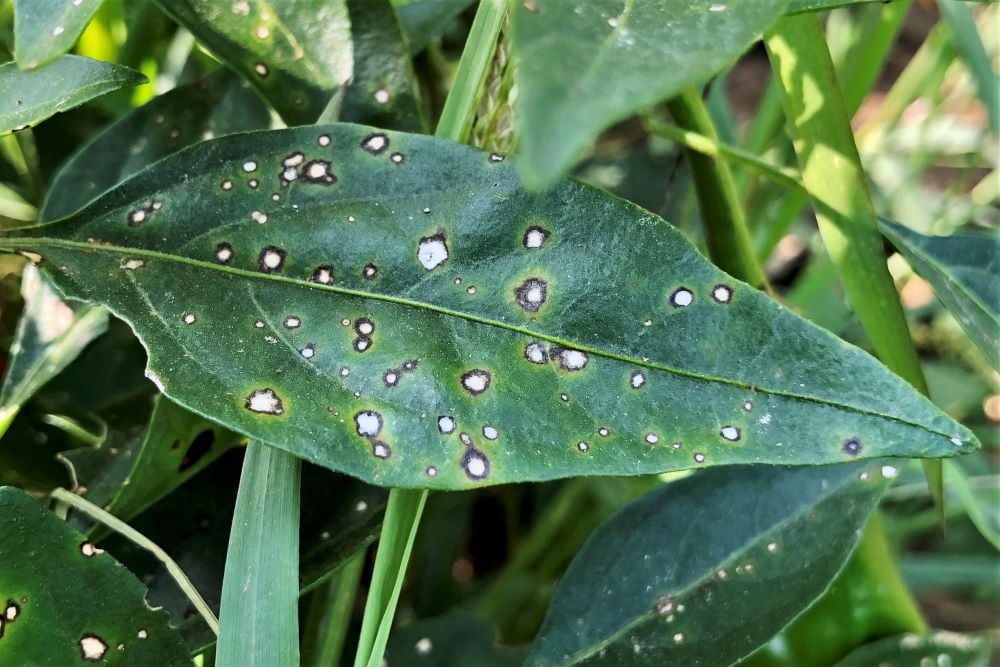
Bacterial leaf spot is a common cause of dark marks on peppers. It often starts as small, water-soaked spots that turn brown or black and may develop pale centers. Fungal diseases and growing stress can cause similar symptoms, so color alone is not enough to identify the problem. A careful check of the leaves, stems, soil, and watering habits can help you choose the right next step.
Start by checking whether the spots appear on older or younger leaves, whether they have yellow edges, and whether they are spreading to nearby plants. Remove badly damaged leaves when appropriate, keep foliage dry, and avoid adding fertilizer or spraying chemicals without a clear reason. If the symptoms spread quickly or the plant begins to wilt, seek a diagnosis from a local university extension service or plant diagnostic lab.
Dark spots usually mean that a small area of leaf tissue has been damaged or killed. The cause may be an infectious disease, a change in growing conditions, or natural aging. Finding the cause matters because a disease treatment will not fix fertilizer burn, and extra watering will not cure an infection.
Bacterial leaf spot deserves early attention because it can spread from one plant to another through splashing water, infected plant material, and contaminated tools. Fungal diseases can also spread when leaves stay wet for long periods. In contrast, sun damage and fertilizer injury usually follow a pattern linked to exposure or recent care.
Source: storage.googleapis.com
Bacterial leaf spot
Small, water-soaked marks may turn brown or black, often with lighter centers and darker edges. Severe infections can cause yellowing, leaf drop, and spots on fruit.
Fungal leaf diseases
Some fungi cause round brown lesions, yellow halos, or spots with darker borders. The exact pattern depends on the pathogen and growing conditions.
Water and root stress
Roots that stay in wet soil may struggle to take up oxygen. The plant may wilt, yellow, or develop damaged leaves, although dark spots alone do not prove overwatering.
Fertilizer injury
Too much fertilizer can leave excess salts around the roots and cause burned leaf tips, brown edges, and dry patches.
Heat and sun damage
Strong sun and high heat can scorch exposed foliage, especially when a plant is dry or has recently moved from a sheltered spot into direct sunlight.
Why bacterial leaf spot is a common concern
Bacterial leaf spot is caused by plant-pathogenic bacteria, including members of the Xanthomonas group. Early lesions may look wet or greasy. They can later turn tan, brown, or nearly black, and nearby spots may merge into larger damaged areas.
Rain, overhead irrigation, and work on wet plants can move bacteria between leaves. Infected seeds and transplants may also introduce the disease. Once a leaf is infected, the damaged tissue will not turn healthy again, so management focuses on limiting further spread and protecting new growth.
Look for a spreading pattern
Check whether new spots appear after rain or overhead watering and whether nearby pepper plants show similar marks.
Inspect both sides of the leaf
Small lesions may be easier to see on the lower surface early on. Later, dark centers, yellowing, and leaf drop may become more obvious.
How to Identify the Cause by Looking at the Spots
The location, shape, and spread of the spots provide useful clues. Examine several leaves rather than relying on one damaged area. Also check the plant’s stems, fruit, soil moisture, and recent watering or feeding history.
No visual sign can confirm every disease. Bacterial and fungal infections often overlap in appearance, and a plant can have more than one problem at the same time. Use the patterns below to narrow the possibilities rather than treating them as a guaranteed diagnosis.
Source: animalia-life.club
Small spots with pale centers and dark edges
Bacterial leaf spot is one possibility, especially if the lesions began as water-soaked marks and are spreading during wet weather.
Round spots with yellow halos
Some fungal or bacterial leaf diseases can produce this pattern. Note whether the centers become dry, fall out, or develop visible rings.
Brown tips and scorched leaf margins
Heat, irregular watering, root damage, or excess fertilizer salts may be involved, particularly when the damage follows leaf edges.
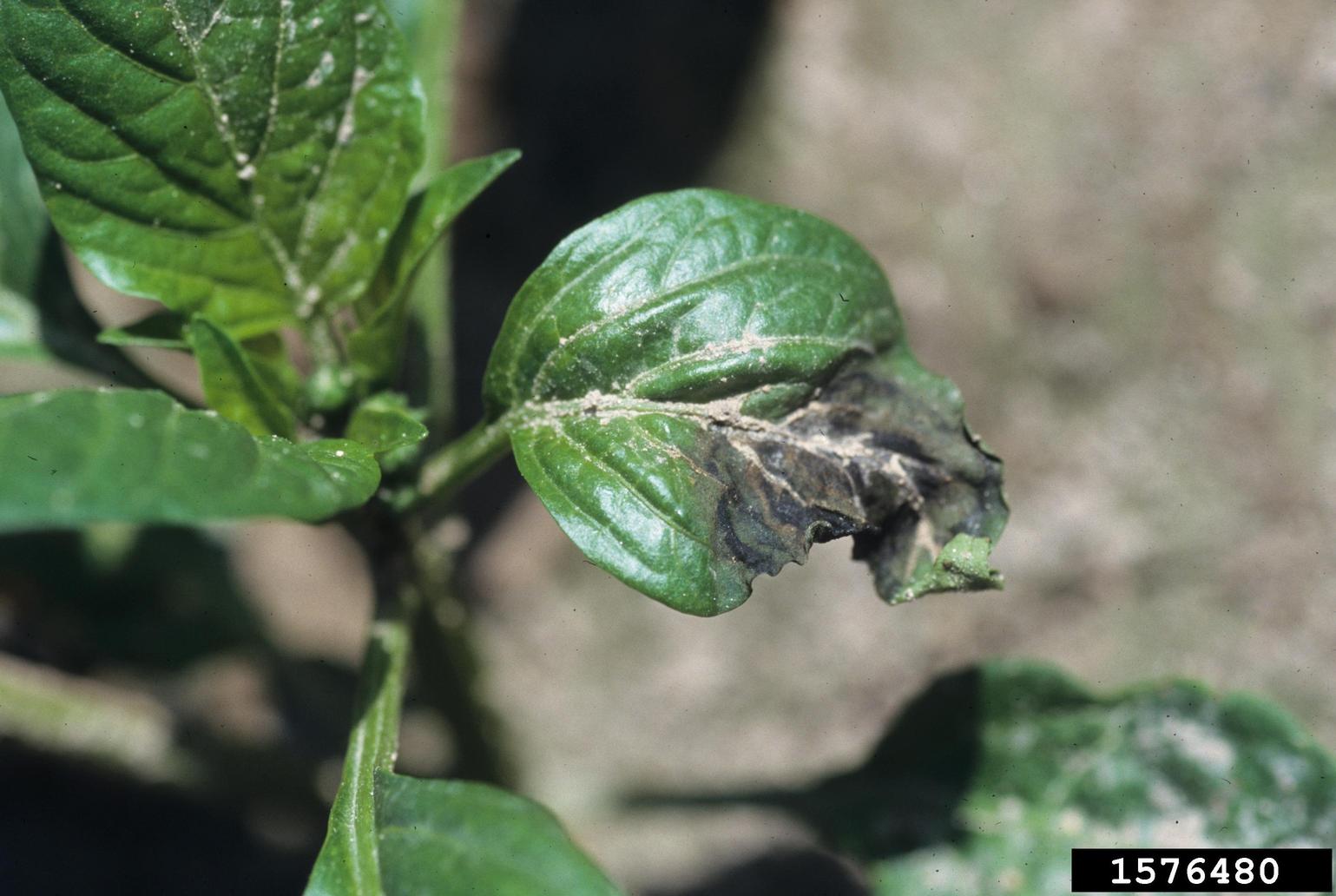
Large, wet, dark lesions with rapid wilting
A serious root, stem, or foliage disease may be present. Phytophthora blight and other destructive diseases can worsen rapidly in wet conditions.
Spots mainly on old lower leaves
Older leaves may show disease first, but natural aging and limited airflow can also contribute. Check whether the symptoms are moving up the plant.
A simple symptom comparison
Use this comparison to decide what to inspect next. It is a starting point, not a substitute for a confirmed diagnosis.
Wet-weather pattern
Spots increase after rain or overhead watering. Inspect for bacterial or fungal disease and reduce leaf wetness.
Recent feeding or potting change
Damage follows fertilizer use, fresh potting mix, or a change in feeding strength. Check the product rate and soil drainage before adding more nutrients.
Recent move into full sun
Exposed leaves develop bleached, tan, or brown areas. Provide gradual acclimation and protect the plant from sudden intense exposure.
Wet soil and general decline
The plant wilts despite moist soil or shows yellowing and weak growth. Check drainage, roots, and the base of the stem.
How to Treat Pepper Leaves With Dark Spots
The safest treatment begins with sanitation and a check of growing conditions. Do not spray several products at once or remove large amounts of foliage before you know what is happening. A careful, step-by-step approach reduces stress and makes it easier to see whether the problem is getting worse.
Existing dark lesions will not disappear after treatment. Look instead for fewer new spots, healthy new leaves, stable stems, and less leaf drop. If fresh lesions continue to appear, review the diagnosis and seek help rather than repeating the same treatment without evidence.
Source: backbonevalleynursery.com
Remove badly damaged leaves
If a few leaves are heavily spotted, cut them off with clean tools. Do not strip the plant bare, because healthy leaves make the sugars needed for growth and fruit production.
Clean tools between plants
Remove plant debris from pruning tools and clean them before moving to healthy plants. Follow an appropriate tool-sanitizing method and allow tools to dry.
Keep leaves as dry as practical
Water the soil rather than the foliage. If overhead watering is unavoidable, water early enough for leaves to dry and avoid working among wet plants.
Improve airflow
Give plants suitable spacing and remove weeds that crowd them. Better airflow can help foliage dry faster, though it will not cure an established infection.
Remove severely diseased plants when needed
If a plant is rapidly declining and heavily infected, removing it may help reduce the risk of spread. Follow local guidance for disposal and avoid placing diseased material in a home compost pile unless the composting process is known to control the pathogen.
When should you use a copper spray?
Some copper-based products can help suppress certain bacterial and fungal diseases when applied at the right time. They work mainly as protectants and do not restore dead leaf tissue. Their value depends on the disease, the product, the timing, and how much infection is already present.
Use only a product labeled for the crop and disease in question. Follow all label directions for the application rate, protective equipment, re-entry, harvest interval, and weather limits. Repeated or excessive copper use can injure plants and lead to copper buildup in soil, and some bacterial populations have reduced sensitivity to copper.
Do not assume every spot needs a spray
Fertilizer burn, sunscald, and watering stress will not be corrected by a pesticide.
Protect pollinators and nearby plants
Read the full label and avoid off-target drift. Do not apply a product in ways that could contaminate water or edible plant parts beyond the labeled use.
Ask for a diagnosis if treatment fails
A county extension office or plant diagnostic lab can help distinguish similar diseases and advise on suitable management options.
How Watering, Soil, and Fertilizer Affect Pepper Leaves
Pepper plants need steady moisture, good drainage, and a balanced supply of nutrients. Both too much and too little water can weaken a plant, while excess fertilizer can damage roots and leaves. Correcting these factors helps the plant recover from stress and makes disease management easier.
Check the soil before changing your watering routine. A dry surface does not always mean the root zone is dry, especially in large containers. Likewise, a wet surface does not show whether the roots have enough air.
Source: allegany.cce.cornell.edu
Check soil moisture
Feel the soil a short distance below the surface or use a suitable moisture meter. Water when the root zone needs it rather than following a rigid daily schedule.
Check drainage holes
Container peppers need holes that allow excess water to escape. Do not let pots sit in standing water for long periods.
Avoid strong fertilizer doses
Follow the fertilizer label and account for nutrients already present in the potting mix or soil. More fertilizer does not mean faster or healthier growth.
Use mulch carefully
A suitable mulch can reduce soil splash and help keep moisture steady. Keep it away from direct contact with the stem and do not use it to cover already waterlogged soil.
What to do if you suspect fertilizer burn
If leaf edges turned brown soon after feeding, stop adding fertilizer while you assess the problem. Review the amount used, the product strength, and whether the container has adequate drainage. Salt buildup may be more likely when fertilizer is applied often and little water drains from the pot.
For a well-drained container, flushing the growing medium with clean water may help remove excess soluble salts, provided the pot can drain freely. Do not flush a waterlogged pot or a plant with severe root rot. For garden soil, a soil test is a better guide than adding amendments at random.
Watch new growth
If the cause was corrected, new leaves may develop without the same pattern of edge burn. Existing brown areas will remain damaged.
Avoid guessing at nutrient deficiencies
Dark patches do not prove a lack of a specific nutrient. A soil test can help determine whether the soil needs a nutrient adjustment.
How to Prevent Dark Spots on Pepper Plants
Prevention starts before planting and continues through the growing season. Healthy seed, clean transplants, suitable spacing, careful watering, and prompt removal of diseased debris can reduce many common problems. No single step prevents every leaf disease, so combine several sound habits.
Conditions vary across the United States. Gardeners in humid areas may need to pay close attention to leaf wetness and airflow, while gardeners in hot, dry areas may need to avoid drought stress and sudden exposure to intense sun. Adjust care to the local climate and the needs of the pepper variety.
Source: ar.inspiredpencil.com
Choose healthy seeds and transplants
Buy from reliable sources and inspect young plants for spots, yellowing, distorted leaves, and stem lesions before bringing them into the garden.
Select resistant varieties when available
If bacterial leaf spot has been a recurring problem, look for pepper varieties with documented resistance to relevant strains. Resistance can vary, so check regional recommendations.
Rotate crops
Where disease has occurred, avoid planting peppers or closely related susceptible crops in the same location in successive seasons. Follow local extension guidance on the rotation period and likely host plants.
Avoid working with wet foliage
Prune, tie, or inspect plants when the leaves are dry whenever practical. This reduces the chance of spreading some pathogens by touch.
Remove old plant debris
Clear infected leaves and spent plants at the end of the season. Dispose of diseased material according to local rules rather than leaving it around the growing area.
Inspect plants often
Check the upper and lower leaf surfaces at least weekly and more often during prolonged wet weather. Early detection makes it easier to limit spread.
A simple weekly inspection routine
Begin with the lower leaves, then inspect the newest growth, stems, and fruit. Look for fresh lesions, yellow halos, leaf drop, and any change in plant vigor. Compare affected plants with nearby healthy plants and record recent rainfall, irrigation, and fertilizer use.
If a new problem appears, photograph the same leaves over several days and note whether new spots are forming. These records can help a plant diagnostic service identify the cause and can show whether your management steps are working.
Early signs
A few small spots appear, but the plant remains upright and new growth looks healthy. Inspect closely and correct obvious watering or sanitation issues.
Worsening signs
Spots multiply, lesions merge, leaves fall, or nearby plants develop similar symptoms. Separate affected containers if practical and seek a reliable diagnosis.
Urgent signs
The plant wilts rapidly, the stem base becomes dark or soft, or large wet lesions spread quickly. Avoid moving wet plant material around and contact a local extension or diagnostic service.
Common Mistakes to Avoid When Treating Leaf Spots
A common mistake is treating every dark mark as a fungal infection. Bacteria, fungi, environmental stress, and normal aging can look alike, so a guessed treatment may waste time or add more stress. Use the symptom pattern and recent growing conditions to guide the next step.
Another mistake is removing too many leaves. Peppers need healthy foliage to support flowering and fruit growth. Remove leaves that are severely affected, but keep sound leaves whenever possible and avoid pruning during wet conditions.
Source: thegardenprepper.com
Do not water more just because leaves look damaged
First check the soil. Extra water can make root problems worse if the growing medium is already saturated.
Do not mix pesticides or home remedies
Unapproved mixtures can burn leaves or create other hazards. Use products only as labeled and avoid improvised chemical combinations.
Do not expect damaged spots to vanish
Treatment aims to protect healthy tissue and reduce new damage. Existing dead tissue stays brown or black.
Do not ignore fruit symptoms
Raised, rough, cracked, or spreading lesions on peppers can be associated with disease. Keep affected fruit separate and seek guidance if the cause is uncertain.
Do not rely on appearance alone when the plant is declining
Several pathogens and growing disorders cause overlapping signs. Rapid spread, severe wilting, or repeated crop losses justify professional diagnosis.
When to seek professional help
Contact a university extension office or plant diagnostic lab if spots spread despite improved care, several plants become affected, fruit develops unusual lesions, or the plant wilts quickly. Clear photographs of both sides of the leaves, the whole plant, and the stem base can help with the first assessment.
A laboratory diagnosis may be needed to distinguish bacterial leaf spot from fungal disease or other disorders. Ask the service how to collect and submit a sample, because the correct method depends on the suspected problem and local procedures.
Provide useful details
Include the pepper variety, plant age, growing location, recent weather, watering routine, fertilizer use, and the speed at which symptoms developed.
Follow local recommendations
Disease prevalence and approved pesticide uses can differ by state and product label. Regional extension guidance is more useful than a one-size-fits-all spray schedule.
Frequently Asked Questions
Q
Can pepper plants recover from dark leaf spots?
Yes, many pepper plants can continue growing if the cause is corrected early and enough healthy foliage remains. Damaged areas will not heal, but new leaves may develop normally. Recovery depends on the cause, how much of the plant is affected, and whether the problem continues to spread.
Q
Should I cut off every pepper leaf with black spots?
No. Remove severely damaged or clearly diseased leaves when needed, using clean tools, but do not strip the plant of healthy foliage. If many leaves are affected, first assess the likely cause and seek advice before removing a large part of the canopy.
Q
Are dark spots on pepper leaves always caused by a disease?
No. Bacterial and fungal diseases are common possibilities, but excess fertilizer, heat, sun exposure, irregular watering, root stress, and natural aging can also cause brown or black tissue. The spot pattern, the affected leaves, and recent care help narrow the cause.
Q
Can I eat peppers from a plant with spotted leaves?
Spotted leaves alone do not prove that the fruit is unsafe, but you should inspect each pepper carefully. Do not eat fruit that is moldy, rotten, badly damaged, or of uncertain condition. Wash sound produce under clean running water, discard damaged portions when appropriate, and follow local food-safety guidance if a serious plant disease is suspected.
Q
Does overwatering cause black spots on pepper leaves?
Overwatering can stress roots and may contribute to leaf decline, especially in poorly drained soil. However, black spots are not a reliable sign of overwatering by themselves. Check soil moisture, drainage, root health, and other symptoms before changing your watering routine.
Q
Will baking soda cure dark spots on pepper leaves?
Baking soda is not a reliable cure for bacterial leaf spot, and homemade sprays may injure leaves if the concentration is too high. Do not use a home remedy as a substitute for identifying the problem. Focus on sanitation, appropriate watering, dry foliage, and a confirmed diagnosis when symptoms continue.
Q
Why do dark spots appear after rain?
Rain can splash bacteria and other pathogens from infected leaves or plant debris onto healthy foliage. Long periods of leaf wetness also favor several plant diseases. If spots increase after wet weather, avoid overhead irrigation where practical, allow leaves to dry, and remove badly affected debris.
✦ Wrapping Up
Conclusion
Dark spots on pepper leaves can result from bacterial leaf spot, fungal disease, fertilizer injury, water stress, or sun damage. The best response depends on the pattern of the marks and the conditions in which the plant is growing. Check both sides of the leaves, inspect the stems and fruit, and review recent watering, rainfall, and feeding before choosing a treatment.
Keep foliage dry when practical, water according to soil moisture, clean tools, remove severely damaged leaves, and avoid unnecessary sprays. If spots spread quickly, leaves drop in large numbers, or the plant begins to wilt, contact a local extension service or plant diagnostic lab. A sound diagnosis can help protect healthy plants and reduce the risk of the same problem returning next season.
💡 Key Takeaway
Today, inspect several affected leaves, check the soil and drainage, photograph the symptoms, and stop overhead watering if practical. Remove only severely damaged leaves with clean tools, then monitor new growth. If fresh spots continue to appear, seek a reliable diagnosis before applying a pesticide.
I enjoy sharing simple gardening ideas, lawn care tips, and honest product reviews that help make outdoor work easier. From home gardening guides to helpful tools and lawn care advice, I write easy-to-follow content to help readers create a healthier and better-looking outdoor space without wasting time or money.