As an Amazon Associate, I earn from qualifying purchases.
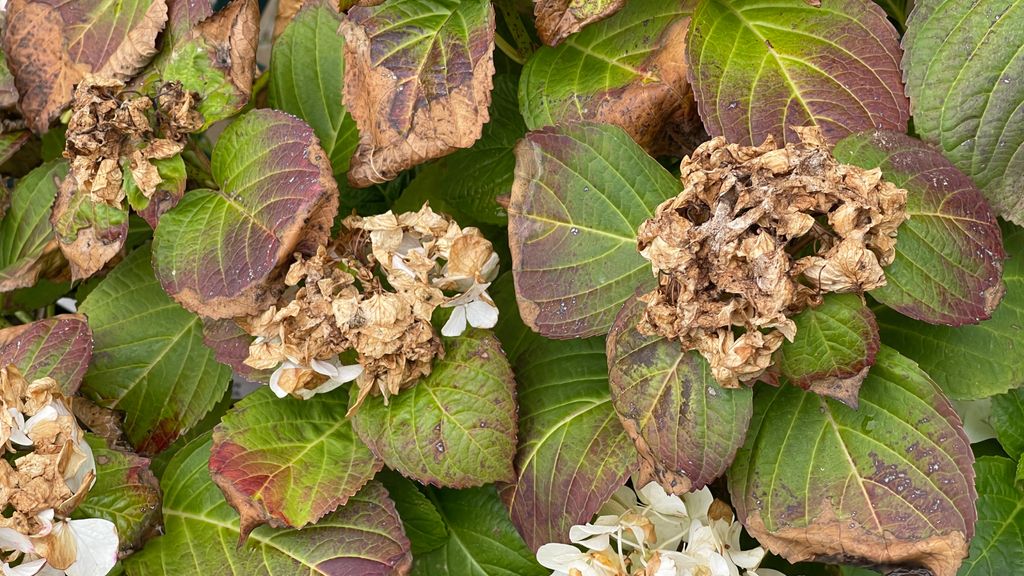
Hydrangea leaves turn brown outdoors most often because of hot sun, dry soil, excess water, wind, frost, or leaf disease. The pattern of the brown areas, the weather, and the moisture around the roots can help you find the cause.
Across the United States, hydrangeas face very different growing conditions. A shrub in a sunny Texas yard may struggle with heat and dry soil, while one in a rainy Pacific Northwest garden may suffer from wet roots or leaf disease. Plants in the Midwest and Northeast can also develop brown leaves after summer heat, dry spells, or sudden cold snaps.
Brown leaves do not always mean a hydrangea is dying. Sometimes only the edges dry out, while the rest of the plant stays healthy. In other cases, small spots spread across the leaves and point to a disease or another ongoing problem.
The best fix starts with a close look at the plant. Check where the browning begins, whether the soil is wet or dry, how much sun reaches the shrub, and whether the damage appeared after a change in weather. These clues can help you choose a useful treatment instead of adding water or fertilizer without knowing what the plant needs.
Hydrangea leaves turn brown when leaf tissue is damaged or dies. This can happen when the plant loses water faster than its roots can replace it, when roots cannot take up enough water, or when disease damages the leaf. Cold injury, wind, and chemical exposure can also cause brown patches.
A brown leaf is a symptom, not a diagnosis. Several problems can look alike, especially after a hot summer day. Start by comparing the shape of the damage with recent weather and the condition of the soil.
Look at more than one leaf. If the leaves on the sunny side are brown but those in shade remain green, heat or sun exposure may be involved. If the entire shrub wilts while the soil stays wet, root stress deserves closer attention. If distinct spots appear on many leaves, inspect them for signs of disease.
Source: www.gardenguides.com
Brown, crispy edges
Often linked to dry soil, hot wind, strong sun, or a buildup of soluble salts.
Large tan patches on the sunny side
May indicate leaf scorch from intense sunlight and heat.
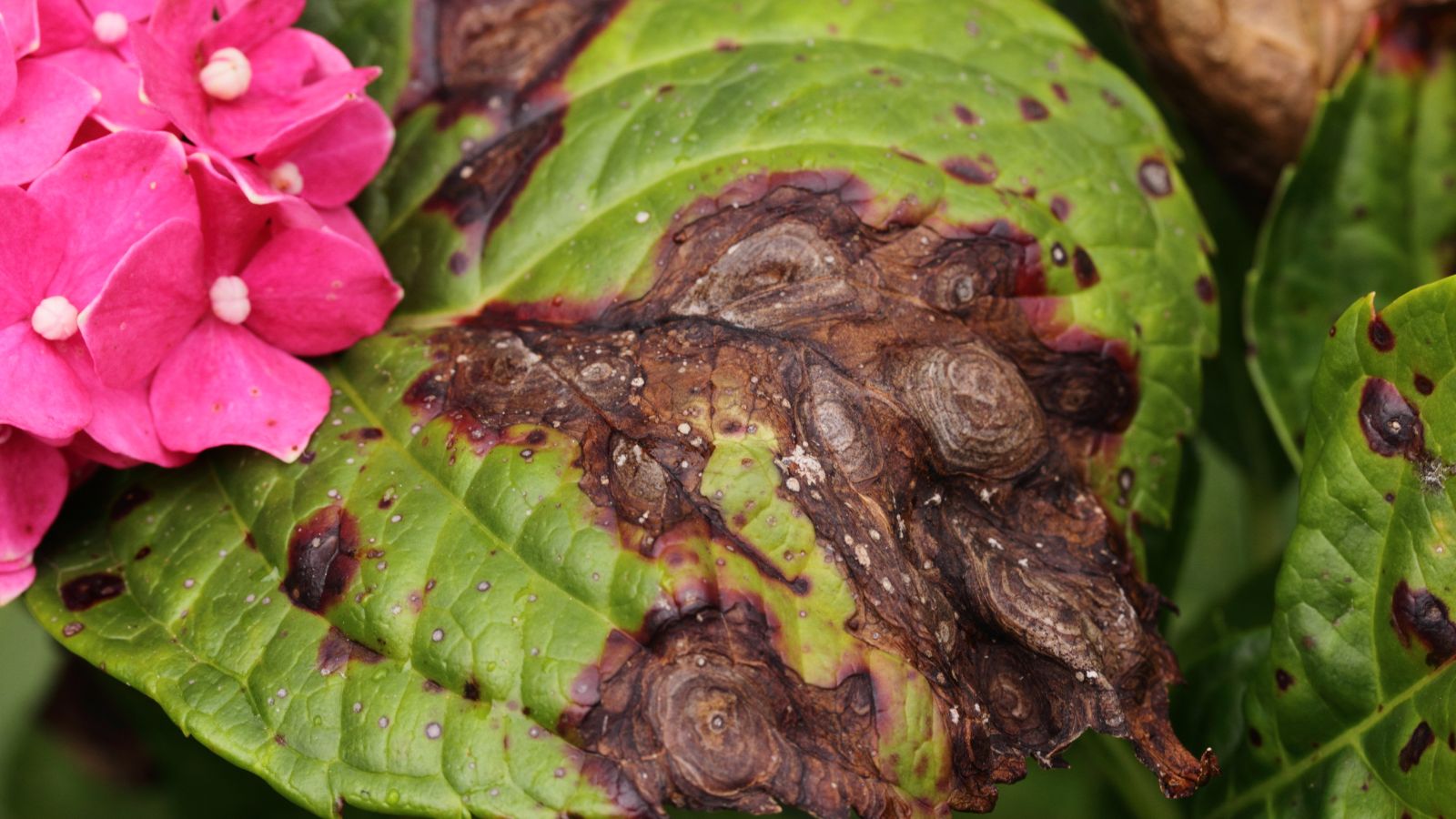
Small round or irregular spots
May result from fungal or bacterial leaf disease, especially during wet weather.
Brown leaves with yellowing and wilting
Can indicate drought, waterlogged roots, root damage, or another stress that limits water uptake.
Sudden browning after a cold night
May indicate frost injury, especially on tender new leaves and shoots.
Check the Pattern Before Treating the Plant
Inspect the upper and lower surfaces of several leaves. Note whether the damage begins at the edges, appears as separate spots, or covers broad sections of the leaf. Also check whether new leaves look healthy and whether stems remain firm.
Next, feel the soil a few inches below the surface near the root zone. Dry soil supports a different diagnosis from soil that stays wet for days. Check the drainage, recent rainfall, irrigation schedule, and amount of direct afternoon sun before deciding what to change.
Damage follows the weather
Browning after a heat wave, drought, frost, or strong wind often points to environmental stress.
Damage keeps spreading
New spots or lesions may indicate an ongoing disease, continued root stress, or repeated exposure to a harmful condition.
1. Too Much Direct Sun and Summer Heat
Strong sun and high temperatures can burn hydrangea leaves, especially when the plant grows in a spot that receives intense afternoon light. The damage often looks like dry, tan, or brown patches along the leaf edges or across the parts facing the sun. Affected leaves may feel thin and crisp.
Many hydrangeas grow best with morning sun and afternoon shade, although their needs vary by type and local climate. Panicle hydrangeas often tolerate more sun than bigleaf hydrangeas when they have enough moisture. Even a sun-tolerant plant can suffer during a heat wave if the soil dries too quickly.
This problem is common in hot parts of the South and Southwest, but it can also occur in northern states during unusually hot weather. Reflected heat from a driveway, brick wall, or concrete patio can make a sunny planting site even harsher.
Once a leaf has been scorched, its brown tissue will not turn green again. The goal is to prevent further injury and help the plant produce healthy new growth.
Source: www.gardeningknowhow.com
Best first fix
Provide protection from harsh afternoon sun if the plant type and site allow it. Use temporary shade during extreme heat when practical.
Check moisture
Feel the soil near the roots and water deeply when the root zone begins to dry.
Avoid drastic pruning
Do not remove every scorched leaf. Partly green leaves can still help the plant make energy.
How to Tell Sun Scorch From Disease
Sun scorch usually affects the most exposed leaves or the parts of leaves facing the strongest light. The damaged tissue may form broad, dry patches without a clear circular border. The timing often matches hot, sunny weather or a sudden change from shade to full sun.
Leaf disease is more likely when small, distinct lesions appear across many leaves, especially if the spots have dark edges or yellow halos. However, symptoms can overlap, so look at the full pattern rather than relying on one sign.
If the sunny side is worst
Review afternoon sun, reflected heat, and soil moisture first.
If spots appear across the shrub
Check for leaf wetness, crowded growth, and signs of disease before treating.
2. Underwatering and Dry Soil
Hydrangeas need a steady supply of moisture to support their large leaves and flower heads. When the soil dries too much, the leaves may droop, curl, or develop brown edges. In severe cases, whole shoots can wilt during the day and fail to recover by evening.
Newly planted shrubs are especially vulnerable because their roots have not spread far into the surrounding soil. Hydrangeas growing in containers can also dry out quickly in summer, particularly when pots sit on hot patios or balconies. Windy weather increases water loss from the leaves.
Do not judge watering needs by the soil surface alone. The top layer can look dry while the root zone remains damp, or it can look moist while the soil around the roots is dry. Check several inches down near the plant, taking care not to damage major roots.
If the root zone is dry, water slowly and deeply so moisture reaches the roots rather than running off the surface. For a dry container, water until excess drains from the bottom, then empty any standing water from the saucer.
Source: infoupdate.org
Water the root zone
Apply water to the soil around the base of the shrub instead of relying on a quick spray over the leaves.
Adjust for the weather
Check soil moisture more often during heat waves, dry spells, and windy days.
Add organic mulch
Spread a layer of composted bark or another suitable organic mulch over the root zone, keeping it away from direct contact with the stems.
How Often Should Outdoor Hydrangeas Be Watered?
There is no single watering schedule that works for every hydrangea. Soil type, rainfall, plant size, container size, temperature, and root development all affect how quickly the soil dries. Sandy soil often drains faster than clay soil, while a newly planted shrub may need more frequent checks than an established one.
Use soil moisture as your guide. Water when the root zone begins to dry, then check again rather than watering automatically every day. During a long dry spell, you may need to water more often, but rainfall and cool weather may reduce the need.
If the leaves wilt in the afternoon but recover by evening and the soil is moist, heat stress may be involved rather than a simple lack of water. Avoid flooding the roots in an attempt to stop every temporary droop.
For garden beds
Water slowly enough to wet the main root zone, and check soil moisture before repeating.
For pots
Check moisture more often because containers have a limited soil volume and can heat up quickly.
3. Overwatering and Poor Drainage
Too much water can turn hydrangea leaves brown even though the soil feels wet. When soil remains saturated, roots have less access to oxygen. Damaged roots may then struggle to absorb water and nutrients, causing yellow leaves, wilting, browning, and weak growth.
This can be confusing because the plant may look thirsty while standing in wet soil. Adding more water makes the problem worse. Heavy clay, compacted ground, low spots, blocked container drainage holes, and frequent irrigation can all contribute.
Check whether water drains away after rain or watering. If the ground remains soggy for long periods, reduce unnecessary irrigation and consider improving the planting site. A container must have open drainage holes, and its potting mix should not remain waterlogged.
Do not respond to suspected root damage with a strong dose of fertilizer. Stressed roots may not handle added salts well. Correct the moisture problem first and watch for healthier growth.
Source: www.bhg.com
Signs of excess water
Wet soil, persistent wilting, yellowing leaves, soft growth, and slow decline may indicate poor root health.
Improve drainage
Correct blocked drainage holes and avoid planting in a spot where water regularly pools.
Water by need
Pause routine watering when the root zone is already wet, and reassess after the soil begins to drain.
Can a Hydrangea Recover From Waterlogged Soil?
A hydrangea may recover if the roots have not suffered severe damage and the soil drains again. Stop excess watering, improve drainage where possible, and avoid disturbing the roots unnecessarily. Remove dead plant material only when its condition is clear.
If the shrub continues to wilt in wet soil, develops extensive dieback, or has a foul-smelling, persistently soggy root zone, the damage may be more serious. A local extension service or qualified plant-care professional can help assess whether root disease or another problem is present.
Do not add more water automatically
Confirm the soil is dry enough to need irrigation.
Avoid severe root disturbance
Digging around an established hydrangea can cause additional stress.
4. Fungal and Bacterial Leaf Diseases
Hydrangeas can develop leaf diseases that cause brown, reddish-brown, or dark spots. Some fungal diseases create small lesions that grow or merge, while bacterial leaf spot can produce angular or irregular patches. The exact appearance varies with the disease, the hydrangea type, and the weather.
Warm, humid conditions and leaves that stay wet for long periods can favor several leaf diseases. Crowded shrubs, poor airflow, overhead watering, and infected plant debris may increase the chance of problems. These conditions are common in humid parts of the Southeast and Mid-Atlantic, though leaf diseases can occur across the country.
A few spots do not automatically call for a fungicide. First, inspect the pattern and review the plant’s growing conditions. Environmental injury and disease can occur together, so a shrub with sun scorch may also have leaf spots.
If disease seems likely, remove heavily affected leaves when practical, collect fallen infected debris, and water at the soil level. Avoid handling wet plants when possible, and clean pruning tools after working on diseased material. These steps help reduce spread but may not eliminate an established infection.
Source: epicgardening.com
Look for spreading lesions
New spots appearing on more leaves may indicate disease, especially during wet weather.
Keep foliage drier
Water near the soil and allow enough space for air to move through the shrub.
Clean up fallen leaves
Collect diseased debris rather than leaving it beneath the plant.
Identify the disease before spraying
Different pathogens respond to different treatments, and a fungicide will not cure bacterial disease or sun scorch.
When Is a Fungicide Worth Considering?
A fungicide may help manage certain fungal diseases when the product is labeled for the plant and the specific disease. It generally works best as part of a prevention or early-management plan, not as a way to restore dead tissue. It will not make existing brown spots disappear.
Read the entire product label before use. Confirm that hydrangeas and the intended use are listed, follow the application rate and timing, and protect pollinators and nearby plants as directed. Do not use a fungicide simply because the leaves look brown.
If spots spread quickly, many leaves fall, or the plant declines despite improved care, seek a diagnosis from a local Cooperative Extension office or plant diagnostic service. Clear photographs of both sides of affected leaves and notes about recent weather can help.
Use a targeted treatment
Choose a product only after identifying a likely fungal problem and confirming that its label permits the intended use.
Follow label directions
Never increase the dose or combine products unless the label allows it.
5. Wind, Frost, and Sudden Weather Changes
Wind can dry hydrangea leaves faster than the roots can replace lost moisture. Strong, dry winds may leave leaf margins brown and brittle, especially when the soil is dry. Plants in exposed yards, near open fields, or beside hot pavement can be particularly vulnerable.
Frost can also damage tender growth. In spring, a late freeze may turn newly opened leaves dark, limp, or brown within a short time. In fall, an early freeze may injure leaves before the plant has naturally entered dormancy.
Hydrangeas differ in cold tolerance, and their flower buds may be more vulnerable than older wood. Bigleaf hydrangeas, for example, may lose some flower buds to winter or spring cold even when the shrub itself survives. Brown leaves alone do not prove that the whole plant has died.
After a weather event, wait until the extent of the damage becomes clear before pruning heavily. Keep the soil at a suitable moisture level, avoid unnecessary fertilizer, and protect vulnerable plants from future exposure when practical.
Source: storage.googleapis.com
After a hot, windy day
Check the root zone and consider a windbreak or a more sheltered planting location if damage repeats.
After a late frost
Wait for new growth to show which shoots are alive before removing damaged stems.
Before winter
Use suitable mulch over the root zone and follow care guidance for the specific hydrangea type and local climate.
Should You Cut Off Frost-Damaged Leaves?
You can remove leaves that are fully dead and easily detached, but there is usually no need to rush. Wait until the weather settles and new growth begins to reveal the extent of the damage. If a stem is still alive, cutting it back too early may remove healthy buds.
When pruning becomes necessary, use clean, sharp tools and remove only clearly dead or damaged material. Check the hydrangea type before cutting stems, since some types flower on old wood and others bloom on new growth.
Keep living stems
Do not cut healthy wood simply because nearby leaves have turned brown.
Check before major pruning
Confirm whether the plant flowers on old wood, new wood, or both.
6. Fertilizer Burn and Salt Buildup
Too much fertilizer can damage hydrangea roots and cause leaf tips or margins to turn brown. This can happen after an excessive application of granular fertilizer, an overly concentrated liquid feed, or repeated feeding in a container. Salts from some irrigation water or fertilizers may also build up in the soil.
The damage may appear soon after feeding, although the timing varies. Look for a connection between browning and a recent fertilizer application. A crust on the soil surface or around a container’s rim can be another clue, but it is not proof on its own.
Do not add more fertilizer to a plant with brown leaves unless a nutrient need has been identified. Hydrangeas generally do not need constant feeding, and extra nutrients cannot repair tissue that has already died.
If the plant is in well-drained ground and fertilizer was applied at too high a rate, careful watering may help move some soluble salts below the root zone. Do not flush soil that is already waterlogged or drains poorly. For container plants, confirm the drainage and follow reliable guidance for managing excess fertilizer salts.
Source: www.gardenguides.com
Review recent feeding
Check the fertilizer type, amount, application date, and label instructions.
Avoid repeated feeding
Wait until the plant’s needs are clear before applying more nutrients.
Check irrigation water
If browning repeatedly affects container plants, consider whether water quality or salt buildup may be contributing.
Can Too Much Aluminum Turn Hydrangea Leaves Brown?
Aluminum is often discussed in hydrangea care because it can affect flower color in certain varieties. However, adding aluminum sulfate without a clear need is not a reliable way to fix brown leaves. Excessive applications can increase soil acidity and contribute to root or salt injury.
Flower color and leaf health are different issues. Do not add aluminum products, acidifiers, or other soil amendments solely because the foliage is brown. A soil test can help determine whether a soil adjustment is appropriate.
Test before amending
Use a soil test when pH or nutrient problems are suspected.
Follow the plant’s actual needs
Avoid treatments intended to change flower color unless they are suitable for the hydrangea and the soil.
7. Soil Problems and Root Stress
Hydrangeas grow best when their roots have both moisture and air. Compacted soil, poor drainage, damaged roots, and unsuitable planting conditions can all interfere with water uptake. The result may be brown leaf margins, yellowing, wilting, or slow growth.
Soil pH can affect the availability of some nutrients, but brown leaves alone do not tell you whether the soil is too acidic or too alkaline. Bigleaf and mountain hydrangeas can change flower color in response to soil chemistry and available aluminum, while many other hydrangeas do not show the same color response. A change in flower color is not the same as leaf scorch.
If the plant has been declining for a long time, look at the planting site. Water may collect near the roots after rain, or the shrub may compete with nearby trees for moisture. A hydrangea planted too deeply or in compacted ground may also struggle to establish a healthy root system.
Start with the least disruptive checks. Improve watering, keep mulch away from stems, and make sure the site does not remain saturated. If symptoms continue, a soil test and local horticultural advice can help narrow the cause.
Source: www.gardeningknowhow.com
Check drainage
Look for standing water, compacted ground, and areas that stay wet long after rain.
Use mulch carefully
Keep a modest layer over the root zone without piling it against stems or covering the crown.
Test the soil when needed
A soil test can guide pH and nutrient decisions when poor growth continues.
Does Brown Foliage Mean the Soil pH Is Wrong?
Not necessarily. Soil pH affects nutrient availability, but the same brown edges can develop from drought, sun scorch, salt injury, or disease. Changing pH without testing may create a new problem instead of fixing the original one.
If the hydrangea has persistent poor growth or signs that suggest a nutrient issue, test the soil before adding amendments. Follow recommendations suited to the plant type and the soil test results rather than using a general recipe.
Do not guess at soil chemistry
Brown leaves are not a reliable stand-alone indicator of soil pH.
Separate flower color from leaf health
A change in bloom color does not automatically mean the plant is unhealthy.
8. How to Diagnose Brown Hydrangea Leaves Step by Step
The fastest way to narrow down the cause is to work from the easiest checks to the more complex ones. Begin with weather and soil moisture, then inspect the damage and review recent care. This approach helps avoid unnecessary pruning, fertilizer, and chemical treatments.
Use the following table as a starting point, not as a definitive diagnosis. Leaf symptoms overlap, and a plant can have more than one problem at once.
Source: epicgardening.com
Step 1: Review recent weather
Think about heat waves, drought, strong wind, frost, and long periods of rain.
Step 2: Check soil moisture
Feel the soil several inches below the surface and look for poor drainage.
Step 3: Inspect the leaves
Compare the shape, location, and spread of brown areas across several leaves.
Step 4: Review recent care
Check fertilizer use, pesticide applications, pruning, and changes in watering.
Step 5: Make one useful change
Correct the most likely cause and watch the plant’s new growth before adding other treatments.
Quick Troubleshooting Table
Match the symptoms with the most likely causes below, then confirm the diagnosis with soil and weather checks. When a symptom points to several possible problems, use the surrounding conditions to narrow the options.
Dry, crisp edges after hot weather
Likely causes include heat, sun scorch, wind, or inadequate soil moisture. Check the root zone and afternoon exposure.
Wilting while the soil is dry
Underwatering is likely. Water slowly and deeply, then reassess soil moisture.
Wilting while the soil is wet
Poor drainage or root damage may be limiting water uptake. Do not add more water until the soil condition is understood.
Small spots spreading across leaves
Leaf disease may be involved. Reduce prolonged leaf wetness and remove badly affected debris.
Brown leaves soon after feeding
Fertilizer burn or salt injury is possible. Review the amount applied and avoid further feeding.
Sudden damage after frost
Cold injury is likely. Wait for the extent of damage to become clear before pruning.
When to Ask for Help
Contact a local Cooperative Extension office or plant diagnostic service if the shrub continues to decline, the stems die back, or leaf spots spread despite basic care changes. Professional diagnosis is especially useful when root disease, herbicide injury, or a less common pathogen is suspected.
Take clear photographs of the whole plant, the damaged leaves, and the underside of affected foliage. Include notes about the hydrangea type if known, recent weather, watering, fertilizer use, and when the symptoms first appeared.
Bring useful evidence
Photographs, soil moisture observations, and a record of recent treatments can help narrow the cause.
Avoid random chemical use
Wait for a reasonable diagnosis before applying a pesticide or fungicide.
9. How to Help a Hydrangea Recover
A hydrangea can often recover from moderate leaf damage if the roots and stems remain healthy. Focus on steady moisture, suitable light, and a healthy root zone. Brown tissue will not repair itself, so measure progress by the condition of new leaves and shoots.
Start by correcting the most likely cause. If the soil is dry, water deeply. If it stays saturated, address drainage and stop unnecessary irrigation. If the plant receives harsh afternoon sun, provide suitable shade when practical. If disease is suspected, remove badly affected debris and reduce prolonged leaf wetness.
Avoid changing everything at once. Heavy pruning, extra fertilizer, frequent watering, and several chemical treatments can add stress or make it harder to determine what is working. Make one or two targeted changes, then monitor the shrub over the following weeks.
The time needed for recovery depends on the season and the severity of the damage. A healthy plant may produce new leaves during active growth, while a shrub nearing dormancy may not replace damaged foliage until the next growing season.
Source: www.gardenguides.com
Water correctly
Keep the root zone evenly moist without leaving it saturated.
Protect healthy leaves
Avoid removing all partly green foliage because it still supports the plant.
Use mulch
Apply organic mulch to moderate soil temperature and reduce moisture loss.
Wait before fertilizing
Do not feed a stressed shrub unless a clear need has been identified.
Monitor new growth
Healthy new leaves and firm stems are more useful signs of recovery than the appearance of old brown tissue.
Should You Remove Brown Hydrangea Leaves?
Remove leaves that are fully dead, badly diseased, or likely to fall onto the soil and contribute to ongoing disease problems. Use clean tools if you need to cut damaged material from stems. Collect affected leaves rather than leaving them beneath the shrub.
Do not strip the plant of every leaf with a brown edge. Leaves that still have green tissue can continue to make food for the plant. Removing too much foliage can slow recovery, especially during hot weather.
If most of the plant is brown after frost or drought, wait until you can assess the stems. Scratch a tiny area of a questionable stem with a clean fingernail; green tissue beneath the surface can indicate living wood. Avoid making repeated wounds or using this test on every branch.
Remove fully dead leaves
Focus on severely damaged or diseased material rather than minor cosmetic browning.
Keep partly green leaves
Retain healthy tissue when possible so the plant can continue to make energy.
10. How to Prevent Brown Leaves on Outdoor Hydrangeas
Prevention starts with matching the hydrangea to its site. Choose a location with suitable light, well-drained soil, and enough room for the mature shrub. A plant that is well suited to its growing conditions usually needs fewer emergency fixes.
Water according to soil moisture rather than a rigid calendar. Mulch helps limit evaporation and temperature swings, but it cannot correct waterlogged ground. Keep the root zone covered without piling mulch against stems.
Check the plant regularly during periods of heat, drought, and prolonged rain. Early signs such as drooping leaves, dry soil, or new spots are easier to address than widespread damage. Keep an eye on container plants because they can dry out faster than shrubs planted in the ground.
Use fertilizer only when the plant needs it, and avoid applying pesticides without a clear reason. Clean up diseased leaves, improve airflow when practical, and use the pruning schedule suited to the hydrangea type.
Source: www.bhg.com
Choose suitable light
Many hydrangeas benefit from morning sun and afternoon shade, but check the needs of the specific type.
Keep moisture steady
Water when the root zone begins to dry and adjust for rainfall, temperature, and soil type.
Improve airflow
Give shrubs enough space and avoid repeatedly wetting foliage late in the day.
Use fertilizer with care
Follow soil-test guidance and product directions rather than applying extra fertilizer to brown leaves.
Check plants often
Inspect leaves and stems during seasonal changes so you can respond before damage spreads.
Does Hydrangea Type Change the Best Care Plan?
Yes. Bigleaf hydrangeas often need more protection from intense afternoon sun than panicle hydrangeas. Smooth hydrangeas and oakleaf hydrangeas also have their own growth habits and site preferences. Local climate, soil, and the specific cultivar can change how much sun a plant tolerates.
Before moving a mature shrub or pruning it heavily, identify the type if possible. A change in location may help a plant that suffers from repeated sun scorch, but transplanting during extreme heat can create additional stress. Plan major changes for a suitable season in your region.
Bigleaf hydrangeas
Often benefit from protection against harsh afternoon sun and drying conditions.
Panicle hydrangeas
Often tolerate more direct sun when moisture and drainage are adequate.
Oakleaf and smooth hydrangeas
Assess their site needs and pruning requirements individually rather than assuming all hydrangeas respond alike.
Frequently Asked Questions
Q
Should I cut off brown hydrangea leaves?
You can remove leaves that are fully brown, dead, or badly affected by disease. Keep leaves that still have healthy green tissue unless they are contributing to a clear disease problem. Removing the cause of the browning matters more than making the shrub look tidy.
Q
Can brown hydrangea leaves turn green again?
No. Brown, dead leaf tissue does not turn green again. However, the plant may recover and produce healthy new leaves if its roots and stems remain healthy. Watch new growth to judge whether your care changes are helping.
Q
Why are my hydrangea leaves turning brown around the edges?
Brown edges often result from dry soil, heat, strong sun, or drying wind. Fertilizer salts and root stress can also cause marginal browning. Check soil moisture, recent weather, and fertilizer use before choosing a treatment.
Q
Should I water my hydrangea every day in summer?
Not necessarily. Watering needs depend on soil type, rainfall, temperature, plant size, and whether the hydrangea grows in a pot or in the ground. Check the root zone and water when it begins to dry. Containers and newly planted shrubs often need more frequent checks during hot weather.
Q
Why are my hydrangea leaves turning brown even though the soil is wet?
The soil may be staying too wet, leaving roots short of oxygen and unable to take up water properly. Root damage or disease may also be involved. Check drainage and stop unnecessary watering rather than adding more water to a wilting plant.
Q
Can hydrangea leaf disease spread to other plants?
Some fungal and bacterial leaf diseases can spread through infected plant material, splashing water, or contaminated tools. Remove badly affected leaves, collect fallen debris, water near the soil, and clean tools after working with diseased plants. The risk depends on the specific disease.
Q
Do I need fertilizer when my hydrangea leaves turn brown?
Usually, you should not add fertilizer until you know why the leaves are brown. Extra fertilizer can worsen salt injury and stress damaged roots. Check the growing conditions first, and use a soil test if a nutrient or pH problem is suspected.
✦ Wrapping Up
Conclusion
Hydrangea leaves turn brown outdoors for several reasons, but heat, sun scorch, watering problems, leaf disease, frost, and fertilizer injury are common possibilities. The shape of the damage and the condition of the soil provide useful clues. Check those signs before changing your care routine.
Start with the simplest steps: review recent weather, test soil moisture, inspect the leaves, and check drainage. Correct the likely cause, remove only the foliage that needs to go, and give the shrub time to recover. Healthy new growth is the clearest sign that the plant is moving in the right direction.
💡 Key Takeaway
Today, inspect three to five affected leaves, check soil moisture a few inches below the surface, and review the plant’s recent sun, rain, and fertilizer exposure. Make one targeted change based on those clues, then monitor new growth before adding more treatments.
I enjoy sharing simple gardening ideas, lawn care tips, and honest product reviews that help make outdoor work easier. From home gardening guides to helpful tools and lawn care advice, I write easy-to-follow content to help readers create a healthier and better-looking outdoor space without wasting time or money.