As an Amazon Associate, I earn from qualifying purchases.
To plant shrubs in front of a house, choose plants suited to your USDA hardiness zone, sunlight, soil, and available space. Mark their mature size, prepare the planting holes, set each root ball at the correct depth, backfill with native soil, water well, and add a thin layer of mulch. Leave enough room for windows, walkways, siding, and future growth.
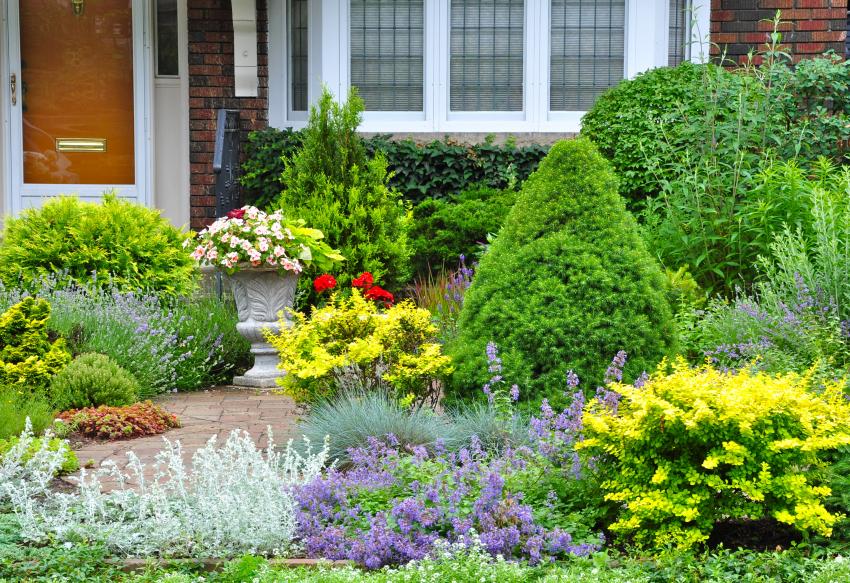
Across the United States, front yard shrubs help frame a home, soften bare walls, and add color near the entry. A small ranch house in Texas may need heat-tolerant plants, while a home in Minnesota may need shrubs that withstand freezing winters. The best planting plan starts with the local climate and the space around the house, not just the look of a plant at the garden center.
The key is to plan for the shrub you will have in five or ten years, rather than the small plant you buy today. Check its mature height and width, sunlight needs, soil preferences, and water needs before you dig. Good spacing and proper planting depth help roots settle in and reduce the need for hard pruning later.
Start by measuring the planting bed and noting the parts of the house that shrubs must not block. Look at windows, the front door, steps, porch posts, outdoor faucets, utility meters, vents, and paths. A simple sketch can help you arrange plants before you spend money or start digging.
Decide what you want the shrubs to do. Low-growing plants can frame a walkway, rounded shrubs can soften a home’s corners, and taller plants can add structure beside a porch. Use a few plant types that work well together rather than filling every open spot with a different shrub.
Check the mature width of every plant. A shrub sold in a small nursery pot may eventually spread several feet in each direction. Plan for that full size so plants do not crowd one another or press against the house.
Source: comfyideas.com
Measure the planting bed
Record its length and width, plus the distance from the wall to the edge of the bed. Include room for maintenance and access.
Mark permanent features
Identify windows, doors, walkways, downspouts, vents, meters, and outdoor equipment that must remain accessible.
Plan the overall shape
Use a simple repeating pattern or a balanced arrangement to make the front yard look intentional without overcrowding it.
How Far Should Shrubs Be From the House?
There is no single distance that works for every shrub. The correct setback depends on its mature width, growth habit, foundation layout, and access needs. As a starting point, place the center of a shrub about half its expected mature width away from the edge of the space it must not enter, then add extra room where you need access or airflow.
For example, a shrub expected to grow 4 feet wide usually needs about 2 feet from its center to the nearest boundary just to fit its canopy. That does not automatically make 2 feet from the wall a good planting distance. You must also consider the root ball, the wall, drainage, and room to reach the siding for repairs. Larger shrubs need more space.
Keep mature branches clear of siding, windows, vents, and utility equipment. Do not use shrubs to hide signs of foundation damage or persistent dampness. If water collects beside the house, correct the drainage problem before planting.
Allow for maintenance
Leave enough space to inspect the foundation, clean siding, paint, and reach utility equipment without pushing through branches.
Protect drainage
Keep planting beds from covering weep holes or changing the way water drains away from the building.
How Many Shrubs Do You Need?
Estimate the number of shrubs from the length of the bed and each plant’s mature width. As a rough planning method, divide the usable bed length by the center-to-center spacing you choose. This gives an estimate, not a fixed rule, because corners, doors, and windows may call for wider gaps.
For example, a 20-foot bed with shrubs spaced 4 feet apart could hold about five shrubs if the layout and end gaps allow it. Draw the centers on paper first and adjust them to keep the plants balanced around the entrance.
Use fewer, well-placed shrubs
A small number of plants with enough room to grow can be easier to maintain than a crowded row.
2. Choose Shrubs That Fit Your Climate and Yard
Choose shrubs for the conditions your yard actually provides. A plant that thrives in a sunny, dry front yard may struggle beside a shaded porch or in a wet bed near a downspout. Match the plant to the site instead of trying to change the site to suit a plant that does not belong there.
In the United States, the USDA Plant Hardiness Zone Map can help you compare the coldest winter conditions a perennial shrub can tolerate. Your zone is only one part of the decision. Summer heat, humidity, rainfall, soil type, wind, reflected heat from pavement, and winter exposure can all affect growth.
Read the plant label and check reliable regional extension guidance before buying. Native shrubs suited to your region can be useful choices because they are adapted to local conditions, though their final size and care needs still matter. Avoid choosing a plant only because it is labeled fast-growing or low-maintenance.
Source: storage.googleapis.com
For sunny front yards
Look for shrubs whose labels specify full sun and that can handle the local summer heat. Confirm their mature size and water needs.
For shaded foundations
Select shrubs suited to partial or full shade, depending on the light available. A plant that needs full sun may become thin or flower poorly in deep shade.
For small planting beds
Choose naturally compact varieties instead of relying on frequent pruning to keep large shrubs small.
For dry regions
After establishment, regionally adapted and drought-tolerant shrubs may need less supplemental water. Newly planted shrubs still need regular moisture while roots settle in.
Popular Shrubs for Front of House Planting
Several shrub groups can work well in foundation beds, but no species is right for every American yard. Use the following options as a starting point, then check local growing guidance and the specific variety’s mature dimensions.
Boxwood
Often used for formal, evergreen borders. Choose a variety suited to your climate and watch for local disease and pest issues.
Dwarf inkberry holly
An evergreen option for many eastern U.S. landscapes. It generally prefers moist, well-drained soil and may need a different choice in very dry sites.
Dwarf gardenia
Offers fragrant flowers in suitable warm regions. It needs the right climate, light, and soil conditions and may not tolerate harsh winters.
Dwarf spirea
Provides seasonal flowers and can suit sunny beds. Check the cultivar’s final size and prune at the appropriate time for its flowering habit.
Compact hydrangea
Can add large flower clusters in suitable climates. Sun exposure, water, soil, and pruning needs differ by species and cultivar.
Dwarf conifers
Offer year-round structure in many cooler and temperate landscapes. Confirm mature dimensions because some plants sold as small conifers eventually become large.
Check Sunlight Before You Buy
Watch the planting bed at different times of day. Full sun generally means at least six hours of direct sunlight per day, while partial shade usually means fewer hours of direct sun or a mix of sun and shade. The exact definitions can vary among plant labels, so use the label’s requirements for the shrub you select.
A bed below a roof overhang may receive less rain than an open bed, even if both get the same amount of sunlight. A south- or west-facing wall may also reflect heat onto plants. Consider these factors when comparing shrubs.
Observe before planting
Note direct sunlight, shade from trees, reflected heat, and whether roof runoff reaches the bed.
3. Pick the Right Time to Plant
The best planting time depends on the shrub species and your local weather. For many deciduous shrubs in much of the United States, spring or early fall offers mild conditions that can help roots establish before severe heat or freezing weather. In warm regions, fall planting may be especially useful because summer heat has eased.
Avoid planting when the ground is frozen, waterlogged, or too hot and dry to manage. Newly planted shrubs can suffer if their roots dry out during a heat wave. If you must plant during warm weather, be prepared to monitor soil moisture closely and provide shade or other care only when appropriate for the plant.
Evergreen shrubs can lose water through their leaves during winter, so planting time matters in cold or windy regions. Follow local extension recommendations for the species and region instead of assuming every shrub should be planted in the same season.
Source: dxordrepi.blob.core.windows.net
Spring
Plant after the soil can be worked and severe frost is less likely, while leaving enough time for roots to establish before summer heat.
Fall
Plant early enough for root establishment before the ground freezes. Avoid delaying until cold weather arrives.
Summer
Planting can be more demanding because of heat and water stress. Delay if conditions are harsh, or provide careful follow-up watering.
4. Gather Tools and Prepare the Planting Site
Prepare the bed before opening the nursery pots. You will need a spade or shovel, gloves, a tape measure, a garden hose or watering can, and mulch. A tarp or bucket can hold removed soil, while a hand tool can help loosen compacted soil around the planting area.
Call 811 in the United States before digging to have participating utility operators mark buried public utility lines. Wait for the required markings and follow the local instructions. Private lines, such as some irrigation pipes, landscape lighting wires, or lines beyond the public utility locating service’s scope, may need separate locating.
Inspect the soil after rain or watering. If water remains in the area for long periods, the bed may have poor drainage or compacted soil. If the soil is very hard, loosening a wider area can help, but do not dig into a foundation drainage system or alter the grade in a way that directs water toward the house.
Source: artofit.org
Basic tools
Use a shovel, gloves, tape measure, hose, and mulch. Clean tools before moving between plants if disease is a concern.
Soil check
Look for compacted layers, standing water, rubble, and heavy roots before deciding where to dig.
Utility safety
Contact 811 before digging and arrange separate marking for private lines when needed.
Should You Add Compost or New Soil?
Do not automatically fill each planting hole with rich potting mix or a large amount of compost. A pocket of very different soil can hold water differently from the surrounding ground and may discourage roots from spreading evenly. For most shrubs planted in native soil, backfilling with the soil removed from the hole is a sound starting point.
If the whole bed has poor soil, improve a broad area based on a soil test and the needs of the chosen plants. A soil test can help identify pH concerns and nutrient needs. Some shrubs require acidic soil, while others tolerate a wider range, so amendments should follow the plant’s actual requirements.
Use amendments with a purpose
Add compost or other soil amendments when a soil test, regional guidance, or the site’s condition supports the change.
Avoid excess fertilizer
Do not add fertilizer to the planting hole unless a reliable recommendation for the species and product specifically calls for it.
5. Follow These Steps to Plant Front Yard Shrubs
Once the layout is marked and the soil is ready, plant each shrub with care. The goal is to give the roots room to spread while keeping the base of the plant at the right height. A wide, shallow planting hole is usually better than a narrow, deep one.
Source: www.pinterest.com
Step 1: Water the shrub
Water the nursery container before planting if the root ball is dry. This helps the root mass stay moist while you work.
Step 2: Dig the hole
Make the hole about two to three times as wide as the root ball when practical, but no deeper than the root ball’s proper planting height. The sides should be rough rather than smooth and glazed.
Step 3: Remove the container
Tip the pot carefully and support the root ball. Do not pull the shrub out by its stems.
Step 4: Inspect the roots
Look for roots circling tightly around the outside. Gently loosen them where practical, or make appropriate corrective cuts with a clean tool if the root mass is severely pot-bound.
Step 5: Set the shrub at the right depth
Find the root flare, where the trunk or main stems widen into the roots. Set that flare at or slightly above the finished soil level, taking the settled soil level into account. Do not bury the root flare.
Step 6: Check the position
Turn the shrub so its best side faces the house or viewing area, and make sure it stands upright. Recheck the spacing before adding soil.
Step 7: Backfill the hole
Return the native soil around the root ball. Break up large clods and gently firm the soil to remove major air pockets, but do not stomp it down hard.
Step 8: Water thoroughly
Water slowly over the root ball and surrounding backfill so the soil settles and moisture reaches the roots. Add more soil only if settling exposes the root ball without covering the root flare.
Step 9: Add mulch
Spread a thin, even layer of organic mulch over the root zone. Keep it away from the stems and do not pile it against the house.
How Deep Should You Plant a Shrub?
Planting depth is one of the most important parts of the job. If a root ball sits too deep, the buried stem base may remain wet and roots may struggle. If it sits too high, the root ball can dry out quickly and roots may be exposed.
Use the root flare as your guide, not the top of the nursery pot alone. Some container-grown shrubs have extra soil over the root flare, so gently remove excess material from the top of the root ball when needed to find the true starting point of the roots.
Correct depth
The root flare should sit at or slightly above the final soil grade, according to the plant’s root structure and local planting guidance.
If the hole is too deep
Add firm native soil beneath the root ball before placing the shrub. Do not leave it resting on loose soil that may settle.
What If the Roots Are Tightly Tangled?
Roots that circle the pot can continue to grow around the root mass after planting. Gently tease loose smaller circling roots. For severely bound roots, careful vertical scoring or removal of a thin outer layer may help, but the correct approach depends on the plant and the severity of the problem.
Avoid cutting away large amounts of healthy roots just to make the root ball fit a small hole. If the shrub has major root damage, a rotten root system, or a trunk buried far below the root flare, consider choosing a healthier plant instead.
Choose healthy nursery stock
Look for firm stems, healthy foliage, and a root ball that holds together without a sour smell or extensive decay.
6. Space Shrubs for Mature Growth
Correct spacing helps each shrub receive enough light and air while leaving room for maintenance. If the shrubs are too close together, their branches may overlap, shade one another, and require repeated trimming. If they are too far apart, the bed may look sparse at first, but the plants can fill in as they grow.
Use mature width as your main guide. For a simple row, the distance between plant centers is often close to the expected mature width when you want the shrubs to meet lightly at maturity. Increase the gap if you want each plant to remain distinct or if access and airflow are priorities.
Do not force the same spacing on every variety. A compact shrub may need much less room than a naturally broad species. Check the label for the named cultivar because plants within the same species can differ in final size.
Source: storage.googleapis.com
Formal row
Arrange shrubs at even intervals and choose plants with similar growth habits for a neat, consistent look.
Layered foundation bed
Place taller shrubs toward the back where they will not block windows, then use shorter plants along the front edge.
Mixed natural planting
Use a small group of compatible shapes and textures, allowing each shrub room to reach its mature size.
Example of a Front Foundation Planting Plan
Imagine a 24-foot-wide front wall with two windows and a centered front door. A practical plan might use compact evergreen shrubs near the corners, a few medium shrubs beneath suitable window sections, and low-growing plants beside the walkway. The door area stays open, and no mature shrub blocks a window or utility feature.
This is a planning example, not a universal layout. Measure the actual window heights and planting bed depth, then use the mature sizes listed for your chosen plants. If the bed is narrow, use fewer or smaller shrubs rather than squeezing in large varieties.
Keep windows clear
Check the shrub’s mature height and spread against the bottom of each window and leave room for cleaning.
Keep paths usable
Allow branches to grow without narrowing steps or forcing people into the lawn.
7. Water, Mulch, and Care for Newly Planted Shrubs
New shrubs need consistent moisture while their roots adjust to the surrounding soil. Water right after planting, then check the root ball and nearby soil regularly. Do not follow a rigid calendar without checking conditions, because sandy soil dries faster than clay and hot, windy weather increases water loss.
A useful check is to feel the soil a short distance below the surface near the root ball. If it is dry, water slowly and deeply. If it is already wet or waterlogged, wait and investigate drainage rather than adding more water.
A layer of organic mulch can reduce moisture loss, moderate soil temperature, and limit weeds. Keep mulch a few inches away from stems and do not cover the root flare. Near the house, ensure mulch does not cover siding, vents, weep holes, or drainage openings.
Source: comfyideas.com
Water the root ball
Direct water to the root ball and surrounding backfill, where newly forming roots need access to moisture.
Check after rain
Rainfall may not fully wet the root ball, especially beneath roof overhangs or in dense foliage.
Refresh mulch carefully
Maintain a modest, even layer and remove excess mulch rather than adding a new thick layer each season.
Delay unnecessary pruning
Remove broken or dead branches as needed, but avoid severe shaping immediately after planting unless the species or condition requires it.
How Often Should You Water Newly Planted Shrubs?
Watering frequency depends on the shrub, root-ball size, soil, season, rainfall, and temperature. A new shrub in hot, sandy soil may need checks every day, while a shrub in cooler weather and moisture-retentive soil may need water less often. Checking the soil is more reliable than assuming every shrub needs water on the same schedule.
During the first growing season, inspect the root zone frequently and adjust as the shrub develops. Continue to check during dry periods even after the plant looks established. Some shrubs need longer to develop a deep root system, particularly when planted in difficult soil or exposed sites.
Signs of too little water
Wilting, dry root-ball soil, crispy leaf edges, and premature leaf drop can indicate drought stress, although other causes are possible.
Signs of too much water
Persistently wet soil, yellowing leaves, poor growth, and root decay may indicate excess moisture or poor drainage.
Should You Fertilize Shrubs Right After Planting?
Usually, you should focus on planting depth, water, and root establishment rather than adding fertilizer immediately. Excess nutrients can harm roots or encourage leafy growth before the shrub has established. A soil test and the needs of the particular species can guide later feeding.
If a shrub grows poorly, do not assume fertilizer will fix the problem. Check water, drainage, planting depth, sunlight, pests, and root condition first. Adding fertilizer to a waterlogged or drought-stressed plant will not correct the underlying issue.
Test before feeding
Use soil-test results and regionally appropriate guidance to decide whether nutrients or pH adjustments are needed.
8. Common Shrub Planting Mistakes to Avoid
Many shrub problems begin before the plant goes into the ground. Poor spacing, buried root flares, unsuitable growing conditions, and weak watering practices can leave a shrub struggling even when it looks healthy at the garden center. A few checks before and after planting can prevent many avoidable problems.
The most useful approach is to diagnose the site before changing the plant. A shrub that turns yellow might have too much water, too little water, unsuitable soil pH, damaged roots, or a pest issue. Look at the full pattern of symptoms and the soil conditions before applying fertilizer or pesticides.
Source: www.pinterest.com
Planting too deeply
Burying the root flare can contribute to poor root health. Find the flare and keep it at or slightly above the finished soil grade.
Choosing by appearance alone
A shrub may look attractive in a display but fail in your yard if its climate, light, moisture, or soil needs do not match.
Crowding the foundation
Shrubs that outgrow their space can block windows, vents, paths, and access to siding.
Adding too much soil amendment
A highly amended planting hole can create a different moisture environment from the surrounding ground. Improve the wider bed when changes are needed.
Piling mulch against stems
A deep mulch mound can keep the stem base wet and hide the root flare. Spread mulch evenly and keep it clear of stems.
Ignoring buried utilities
Always arrange utility marking before digging and account for private lines that may not be marked by the standard service.
Pruning too hard
Frequent severe pruning can spoil a shrub’s natural shape and may remove flower buds. Select the right mature size instead.
How to Troubleshoot a Shrub That Is Not Growing
If a new shrub looks weak, begin with the root zone. Check whether the root ball is dry, saturated, planted too deeply, or exposed above the surrounding soil. Compare the amount of sunlight the site receives with the plant’s stated needs.
Next, inspect the leaves and stems for unusual spots, insects, dieback, or damage. Look for patterns across several plants and consider whether recent heat, frost, wind, or a change in watering may explain the symptoms. If the shrub continues to decline, contact a local Cooperative Extension office or qualified landscape professional for help identifying the cause.
Dry root ball
Water slowly and confirm that moisture reaches the center of the original root mass.
Wet, sour-smelling soil
Pause routine watering and investigate drainage. Persistent saturation may require a different planting location or plant choice.
Poor growth in shade
Confirm the plant’s light requirements before pruning nearby plants or moving the shrub.
Ongoing dieback
Seek local diagnosis when basic care adjustments do not help, especially if several shrubs decline together.
9. Adapt Your Shrub Plan to Different U.S. Regions
Regional conditions affect which shrubs will thrive and how you should care for them. A planting plan for the humid Southeast may not work in the dry Southwest or the cold Upper Midwest. Local native plant lists, university extension resources, and the shrub’s own growing requirements are useful guides.
In the Southeast, account for heat, humidity, heavy rainfall, and periods of summer drought. In the Southwest, consider reflected heat, low rainfall, irrigation needs, and soil drainage. In the Pacific Northwest, check winter wetness and summer drought, while gardeners in northern states should account for cold winters and freeze-thaw cycles.
These regional differences do not mean every yard in one state has the same conditions. Elevation, coastal exposure, urban heat, shade, and soil can change the best choice within a small area. Match your plan to your actual site.
Source: www.youtube.com > Decorify Home & Garden
Southeast and Gulf Coast
Prioritize heat and humidity tolerance where needed, and avoid shrubs that cannot handle the site’s summer conditions or soil moisture.
Southwest and dry interior regions
Consider regionally adapted, drought-tolerant shrubs and plan irrigation for establishment. Avoid directing runoff toward the foundation.
Midwest and Northeast
Check winter hardiness, mature size, and exposure to cold winds. Choose planting times that allow root growth before severe cold.
Pacific Northwest
Consider seasonal rainfall, wet winter soil, and dry summer periods. Good drainage may matter as much as winter temperature.
California coastal and inland areas
Account for differences between cool coastal conditions and hot inland summers. Choose plants and watering practices suited to the local climate.
Why USDA Hardiness Zones Are Not Enough
Hardiness zones describe average annual extreme minimum winter temperatures and help indicate whether perennial plants can survive local winters. They do not tell you how much summer heat a shrub can tolerate, how often you need to water, or whether the soil drains well.
Use the zone map together with sunlight, soil, drainage, rainfall, and the plant’s regional performance. A shrub that survives winter may still struggle in a hot, dry planting bed or in soil that stays saturated.
Use more than one source
Compare the USDA zone with regional extension advice, nursery labels, and the growing conditions in your own yard.
10. Keep the Front Foundation Bed Healthy Over Time
A well-planned foundation bed should become easier to manage as the shrubs settle in. During the first year, focus on moisture, signs of stress, and keeping the root flare clear. Once the plants are established, adjust care to the species instead of applying the same pruning, feeding, and watering schedule to every shrub.
Prune to remove dead, damaged, or crossing branches and to maintain a clear path or window. Follow the flowering schedule of the plant if you want to preserve blooms. Some shrubs flower on old wood, while others flower on new growth, so pruning at the wrong time can reduce flowering.
Check the bed at least seasonally for weeds, exposed roots, compacted mulch, drainage changes, and branches that touch the house. If a shrub becomes much larger than expected, consider replacing it with a naturally compact variety instead of cutting it back severely year after year.
As the landscape matures, avoid adding plants simply to fill every gap. Shrubs need room to grow, and a bed with a few well-positioned plants can look cleaner and require less upkeep than a crowded border.
Source: gardenisha.com
Inspect seasonally
Look for dead branches, pests, disease symptoms, weeds, and changes in water flow around the planting bed.
Prune for plant health
Use clean tools and follow the timing and method suited to the shrub species.
Protect the foundation
Keep vents, drainage openings, siding, and utility equipment clear, and maintain the intended grade around the house.
Replace unsuitable shrubs
If a plant repeatedly outgrows its location or struggles with the site, select a better-matched shrub rather than relying on constant corrective care.
Frequently Asked Questions
Q
What is the best month to plant shrubs in front of a house?
The best month depends on your region, shrub species, and weather. Spring and early fall are common planting windows in many parts of the United States because temperatures are often milder. Plant when the soil is workable and allow enough time for roots to establish before severe heat or freezing weather.
Q
How far apart should shrubs be planted in front of a house?
Base spacing on the mature width of each shrub and the look you want. Spacing centers about one mature plant width apart can work for a row intended to meet lightly at maturity. Use wider gaps when you want separate shapes or need more room for access and airflow.
Q
Should shrubs be planted against the foundation?
No. Leave enough room for mature branches, root growth, air movement, and access to the house. The required distance varies with plant size and the building layout. Keep vents, weep holes, siding, and drainage systems clear, and avoid changing the grade so water flows toward the foundation.
Q
Should I remove burlap or wire baskets when planting shrubs?
For container-grown shrubs, remove the pot and inspect the roots. For balled-and-burlapped shrubs, follow species-appropriate planting guidance and handle the root ball carefully. Remove synthetic burlap and as much accessible wrapping as practical without allowing the root ball to fall apart. Once the shrub is stable in the hole, remove twine and burlap from the upper portion of the root ball. Handle wire baskets according to accepted planting guidance and avoid leaving material around the upper root ball that could interfere with root growth.
Q
Can I plant shrubs in front of my house in summer?
Yes, some shrubs can be planted in summer, but heat and dry soil make establishment harder. Avoid extreme heat when possible, water carefully, and check the root ball often. If the shrub is under stress or the weather is unusually hot, waiting for a milder planting period may be the better option.
Q
Do I need to add compost to each shrub planting hole?
Not usually. Many shrubs establish well when planted in native soil that has suitable drainage and structure. If the whole bed needs improvement, use a soil test or local planting guidance to determine the right amendment. Avoid filling a small hole with a very different soil mix without a clear reason.
Q
How long does it take for newly planted shrubs to establish?
Establishment time varies with shrub size, species, soil, climate, and care. Small shrubs may begin to settle in during the first growing season, while larger shrubs can take longer. Continue checking moisture and plant health after the first year, especially during drought or unusual weather.
✦ Wrapping Up
Conclusion
Planting shrubs in front of a house starts with a good plan, not a shovel. Choose plants that suit your local climate and the conditions beside your home, measure the bed, and allow room for mature growth. These steps help create a balanced foundation planting that looks good without blocking windows, paths, or access points.
When planting, dig a wide hole, keep the root flare at the correct height, backfill with suitable soil, and water the root ball thoroughly. Mulch lightly while keeping it away from stems and the house. After planting, check soil moisture often and respond to the actual needs of the shrubs rather than following a fixed watering schedule.
💡 Key Takeaway
Before buying shrubs, measure the planting bed, check sunlight and drainage, locate buried utilities through 811, and write down the mature height and width of each plant. Then mark the spacing on the ground and plant each shrub at the proper depth.
I enjoy sharing simple gardening ideas, lawn care tips, and honest product reviews that help make outdoor work easier. From home gardening guides to helpful tools and lawn care advice, I write easy-to-follow content to help readers create a healthier and better-looking outdoor space without wasting time or money.