As an Amazon Associate, I earn from qualifying purchases.
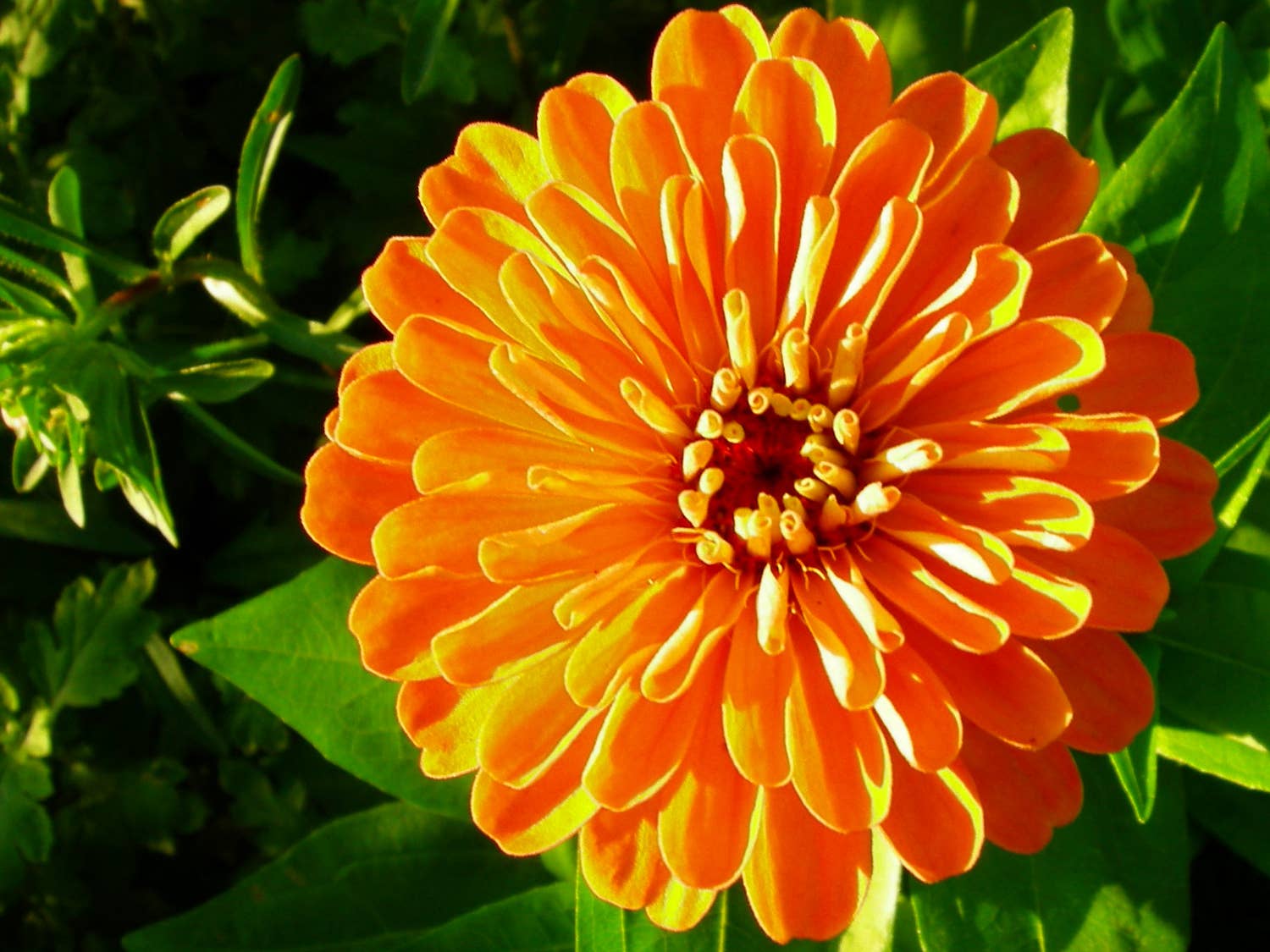
An orange flower is a bloom with petals in shades ranging from pale apricot and peach to bright tangerine, copper, and deep burnt orange. Popular choices for American gardens include marigolds, zinnias, calendulas, orange coneflowers, daylilies, and trumpet-shaped tropical flowers. The best type depends on your climate, sunlight, soil, and whether you want annual color, returning perennials, or flowers for containers.
From sunny California patios to summer gardens in the Midwest and warm Southern landscapes, orange flowers bring a lively splash of color to outdoor spaces. Their warm tones stand out against green leaves and pair well with purple, blue, white, yellow, and deep red blooms. A few well-chosen plants can brighten a front walk, fill a raised bed, or add color to pots beside an American home’s entryway.
Choosing an orange flower involves more than picking a pretty petal color. Some plants bloom for months, while others flower for a shorter period. Some return each year in suitable climates, while others need fresh seeds or transplants each growing season. Sunlight, winter temperatures, drainage, and local rainfall all affect how well a plant grows.
This guide explains the most useful orange flower types, how to identify them, when they bloom, and how to care for them. It also covers flower meanings, container choices, pollinator value, and common growing problems so you can choose plants that suit your garden rather than relying on color alone.
An orange flower is any flowering plant whose blooms display orange or orange-like tones. The color may come from natural plant pigments, including carotenoid pigments that contribute yellow, orange, and red shades. The exact appearance varies with the plant species, cultivar, flower age, and growing conditions.
Orange is not a single fixed shade. A calendula may look golden orange, a zinnia may have bright tangerine petals, and a daylily may display a soft apricot or reddish-orange bloom. Some flowers also have yellow centers, dark markings, or petals that fade toward the edges.
In garden design, orange works as a strong accent because it tends to stand out against green foliage. It can create a warm focal point near a doorway, draw the eye along a path, or add contrast to a bed filled with cooler colors.
Source: wallpapers.com
Bright orange
Choose vivid zinnias, marigolds, or selected daylilies when you want a clear, energetic color in a sunny garden.
Soft peach and apricot
Look for apricot-colored roses, daylilies, or calendulas for a softer palette that blends well with cream, pale yellow, and pink.
Deep copper and burnt orange
Dahlias and some chrysanthemums offer rich autumn shades that pair well with bronze foliage and deep red flowers.
Why Do Orange Flowers Look Different?
A flower’s color is influenced by its genetics and pigments. Breeders select cultivars with different shades, patterns, petal shapes, and flower sizes, which is why two plants with the same common name can look quite different.
Light also changes how a bloom appears to the eye. A flower may look brighter in direct sunlight and more muted in shade. As petals age, some varieties fade or change tone, so a plant’s newest blooms may look different from older ones.
Check the cultivar
Use the botanical name or named cultivar on a plant label to distinguish a true orange variety from yellow, salmon, or red-orange selections.
Green foliage often makes orange petals stand out, while cream and purple flowers can create contrast without making the bed look crowded.
Popular Types of Orange Flowers
The best orange flowers for a home garden include annuals for seasonal color, perennials that can return year after year, and tropical plants suited to warm weather or protected containers. Each group offers a different balance of bloom time, maintenance, and climate tolerance.
Before buying plants, check the mature height, spread, sunlight needs, and expected bloom season. A compact flower may suit a balcony planter, while a tall variety may work better at the back of a garden bed. Plant labels can also help you confirm whether a selection is annual, perennial, or tender in your area.
Source: familyhandyman.com
Marigold
Marigolds produce rounded flowers in orange, yellow, and mixed shades. They are common warm-season annuals for borders, vegetable gardens, and pots. Most garden varieties prefer sun and soil that drains well.
Zinnia
Zinnias offer simple or densely layered flowers on plants that range from compact to tall. They suit sunny beds and cutting gardens, and many varieties bloom repeatedly when growing conditions remain favorable.
Calendula
Calendula, also called pot marigold, has daisy-like flowers in yellow and orange shades. It often performs well during cooler parts of the growing season and may struggle when exposed to prolonged intense heat.
Orange daylily
Daylilies produce trumpet-shaped flowers above clumps of narrow leaves. Individual flowers often last only a day, but established plants can produce many buds. Choose a suitable cultivar and check local guidance before planting.
Orange coneflower
Some coneflower cultivars have orange, copper, or red-orange petals around a raised central cone. They can add texture to perennial borders, although cultivar hardiness and care needs differ.
Dahlia
Dahlias come in many sizes and forms, including vivid orange and apricot selections. They provide striking summer and fall color but need suitable moisture, sun, and care for their underground tubers.
Chrysanthemum
Orange chrysanthemums are popular for fall displays, containers, and seasonal borders. Garden performance depends on the cultivar, local climate, and whether the plant is sold as a hardy garden mum or a short-lived decorative pot mum.
Bird of paradise
Bird of paradise has distinctive orange and blue flowers and bold, tropical foliage. It suits warm climates and protected spaces, but many areas of the continental United States are too cold for it to remain outdoors through winter.
Trumpet vine
Trumpet vine bears orange to reddish trumpet-shaped flowers and can attract hummingbirds. It is vigorous and may spread aggressively, so check its local status and provide a strong support before planting.
Orange rose
Orange roses range from soft peach to intense coral-orange. They can serve as focal points in beds and containers, but their needs for sunlight, water, pruning, and disease management vary by cultivar.
Best Orange Flowers for Beginners
Marigolds and many zinnias are practical starting points for gardeners who want seasonal color without complicated care. They grow readily from seed under suitable conditions, and their visible growth makes it easy to learn when a plant needs water or more space.
Calendulas may suit gardeners who prefer spring or fall color in regions with hot summers. For a longer-term planting, consider a well-adapted daylily or perennial coneflower cultivar after checking local growing guidance.
For quick seasonal color
Choose marigolds or zinnias after the danger of frost has passed and the soil has warmed.
For a cooler-season display
Consider calendula in a season when local temperatures favor its growth.
For returning flowers
Select a perennial known to thrive in your region and give it enough space to reach its mature size.
Annuals Versus Perennials
Annual flowers complete their life cycle in one growing season. They are useful when you want to change a color scheme every year, fill gaps in a new bed, or create a large seasonal display without committing to permanent planting locations.
Perennials can return for several years under suitable conditions. They may take time to establish, and some need seasonal pruning, division, or winter protection. The label matters because common names can cover plants with different hardiness levels and growth habits.
Choose annuals
Use them for flexible layouts, temporary color, and beds that need fresh planting each year.
Choose perennials
Use them for a lasting garden structure and repeat blooms when the plant matches your local climate.
How to Choose the Right Orange Flower for Your Climate
Start with your local growing conditions rather than the flower’s appearance alone. The United States includes humid subtropical regions, dry deserts, cool northern states, coastal climates, and high-elevation areas. A plant that thrives in one location may struggle in another.
The USDA Plant Hardiness Zone Map can help you assess whether a perennial is likely to survive your area’s typical winter minimum temperatures. It does not tell you everything about summer heat, humidity, rainfall, or soil drainage, so use it alongside the plant’s full growing instructions.
Sun exposure is another key factor. Many orange-flowering annuals bloom best with several hours of direct sunlight, while some plants tolerate partial shade. In very hot areas, a little afternoon shade can reduce stress for certain varieties, but too little light may reduce flowering.
Hot and humid regions
Consider heat-tolerant zinnias, marigolds, and suitable tropical plants. Allow space for airflow and avoid keeping foliage wet for long periods.
Choose plants suited to local heat and water limits. Even drought-tolerant plants need establishment watering, and containers usually dry out faster than garden soil.
Cold-winter regions
Use hardy perennials that fit your zone, or grow tender orange flowers as annuals. Bring suitable tropical container plants indoors before damaging cold arrives.
Coastal and mild climates
Use local temperature and rainfall patterns to plan planting dates. Mild winters may allow a longer growing season, but cool soil and coastal winds can still affect growth.
Use the Plant Label as a Starting Point
A reliable plant label lists the botanical name, expected height, mature spread, sunlight preference, watering guidance, and hardiness range when relevant. These details help you compare plants that look similar but have different needs.
If a label lists full sun, confirm what that means for your location and season. A plant in a mild northern summer may tolerate more direct exposure than the same plant in a hot Southern patio surrounded by heat-reflecting concrete.
Match winter tolerance
Check the plant’s hardiness information before choosing a perennial or leaving a tender plant outdoors.
Check mature size
Leave enough space for roots, foliage, airflow, and flowers rather than planting every specimen close together.
When Do Orange Flowers Bloom?
Orange flowers can brighten a garden from spring through fall when you combine plants with different bloom seasons. The exact timing depends on the species, cultivar, planting date, weather, and local climate.
Calendula often favors cooler growing periods, while marigolds and zinnias commonly provide color through the warmer months. Daylilies bloom according to their type, and many dahlias produce flowers during summer and fall when they receive suitable light, moisture, and care.
A simple planting plan can help prevent the garden from losing all its color at once. Rather than choosing every plant for the same peak bloom period, combine early, midseason, and late-season options that suit your region.
Spring
Consider calendula where spring temperatures remain suitable, along with orange bulbs or other plants adapted to the local season.
Summer
Use marigolds, zinnias, suitable daylilies, and other warm-season flowers after checking frost dates and local heat conditions.
Fall
Choose orange chrysanthemums, late-flowering dahlias, and suitable annuals for seasonal beds and containers.
How to Extend the Blooming Season
Planting several suitable species with overlapping bloom periods can keep a bed colorful for longer. Remove faded flowers when the species responds well to deadheading, and avoid excessive nitrogen fertilizer, which can encourage leafy growth at the expense of flowers.
Some annuals benefit from regular harvesting of blooms, while others respond to cutting back after a flush of flowers. Follow the care instructions for the specific plant because a method that helps one species may not suit another.
Stagger planting
Where recommended for the species, sow or plant in intervals so new flowers develop after the first group begins to fade.
Remove spent blooms
Deadhead plants that produce more flowers after old blooms are removed, using clean tools when needed.
Avoid excess fertilizer
Use soil-test guidance or plant-specific directions rather than adding extra fertilizer whenever flowering slows.
How to Grow Orange Flowers Successfully
Most garden orange flowers grow best when you match the site, soil, water, and planting time to the chosen species. Good preparation helps roots establish before heat, drought, heavy rain, or cold weather places extra stress on the plant.
Before planting, remove weeds and check how quickly water drains from the site. Many common flowering plants dislike constantly soggy roots, although some species need more moisture than others. If the soil is heavy, improving the planting area with suitable organic matter and choosing plants adapted to the site can help.
For direct-sown annuals, wait until the soil and weather suit the seed packet instructions. For nursery plants, loosen crowded roots gently when appropriate, plant at the recommended depth, and water the root zone after planting.
Step 1: Pick a Suitable Site
Observe the area through the day to estimate how much direct sunlight it receives. Keep in mind that tree shade changes with the season, and walls or paving can reflect heat onto nearby plants.
Select a site that gives the chosen flower enough light and room to reach its mature size. Leave pathways clear and avoid placing tall plants where they block shorter flowers or crowd neighboring shrubs.
Check sunlight
Compare actual sun exposure with the plant’s light requirements before preparing the bed.
Check drainage
Avoid sites where water remains around the roots unless the plant is known to tolerate those conditions.
Step 2: Prepare the Soil
Most common orange garden flowers prefer soil that holds enough moisture for roots but drains excess water. Compost can improve many garden soils when used appropriately, but it is not a substitute for correcting serious drainage problems.
If the soil is very compacted or consistently wet, consider a raised bed or a better-drained planting location. A soil test can guide decisions about pH and nutrients, helping you avoid adding lime or fertilizer without a clear need.
Use compost thoughtfully
Blend suitable finished compost into the planting area when it benefits the soil structure and organic matter level.
Follow soil-test guidance
Adjust pH or nutrients only when the results and the plant’s needs support that change.
Step 3: Plant at the Right Time
Warm-season annuals such as many marigolds and zinnias are usually planted after frost danger has passed and conditions favor growth. Calendula may be planted during cooler suitable periods, depending on the region.
Perennials are often planted when temperatures allow roots to establish without severe heat or cold stress. The best timing differs by region, so local extension guidance and the plant label are more useful than one national calendar date.
Read the seed packet
Follow its guidance for direct sowing, seed depth, spacing, and expected germination conditions.
Avoid planting too deeply
Set nursery plants at the appropriate depth and keep crowns or stems positioned as directed for that species.
Step 4: Water and Feed as Needed
New plants need steady moisture while their roots establish. After that, watering frequency depends on rainfall, temperature, soil texture, plant size, and whether the flower grows in a pot or in the ground.
Check the soil near the root zone before watering rather than following a rigid daily schedule. Water deeply enough to reach the roots when needed, then allow conditions to guide the next watering. Container plants may require more frequent checks during hot, dry weather.
Fertilizer should support growth without forcing excess foliage. Follow the label for the plant and product, and avoid applying fertilizer to dry, stressed plants unless the instructions specifically allow it.
Check soil moisture
Feel the soil or use a suitable moisture tool to decide whether watering is needed.
Water near the roots
Direct water toward the soil when practical to limit unnecessary wetting of leaves and flowers.
Feed according to need
Use a suitable fertilizer only when the plant and soil conditions warrant it.
Step 5: Maintain Healthy Growth
Remove damaged leaves and faded flowers when appropriate, and inspect plants regularly for pests or disease. Keep enough space between plants for air movement, especially in warm, humid weather.
Tall flowers may need support before stems bend under heavy blooms or wind. As the season changes, remove dead annuals and follow the winter-care requirements for perennials and tender plants.
Inspect weekly
Look at both sides of leaves, new growth, stems, and the soil surface for early signs of stress.
Support tall plants
Use suitable stakes or supports where the flower’s mature height and growing conditions make lodging likely.
Plan seasonal cleanup
Remove diseased plant material and follow local advice on whether healthy stems should remain for winter habitat.
Growing Orange Flowers in Pots and Small Spaces
Orange flowers can thrive in patio pots, balcony planters, window boxes, and small entryway containers. Compact marigolds, suitable zinnias, and some dwarf dahlias can provide bright color without needing a large garden bed.
Choose a container with drainage holes and enough room for the mature root system. A large plant in a tiny pot may dry out rapidly, become root-bound, or tip over as it grows. Use a potting mix designed for containers rather than dense garden soil alone.
Place the container where the selected plant receives the right amount of light. Pots on paved patios can become hotter and dry faster than plants growing in open ground, so check moisture regularly during warm weather.
Choose a practical pot size
Match the container’s depth and volume to the plant’s expected mature size and root needs.
Use drainage holes
Allow excess water to escape and avoid leaving the pot standing in a full saucer for long periods.
Group plants by water needs
Place flowers with similar moisture and sunlight preferences together to simplify care.
Rotate the display thoughtfully
Move portable pots when light or weather conditions change, taking care not to expose shade-grown plants suddenly to harsh sun.
Simple Orange Flower Container Ideas
For a clean, bright display, plant one orange-flowering species in a simple pot and let the bloom color stand out. This works well near an entryway or beside a seating area where a bold focal point is useful.
For a mixed planter, combine an orange flower with a green foliage plant and a white or purple companion that shares similar growing needs. Check the mature size of each plant so the arrangement does not become overcrowded.
Sunny entrance pot
Use compact orange marigolds with suitable foliage plants in a container that receives the required sunlight.
Pollinator patio planter
Combine accessible flowers from compatible species and provide water and shelter nearby when practical.
Autumn display
Use orange chrysanthemums or suitable dahlias with ornamental foliage for seasonal color.
Orange Flowers and Pollinators
Many orange flowers can support pollinators, but color alone does not determine how useful a plant is to bees, butterflies, or other insects. Flower shape, nectar, pollen, bloom timing, and whether petals block access to the flower’s reproductive parts all matter.
Open, single-form flowers often make their centers easier to reach than heavily layered double flowers. Marigolds, zinnias, and some coneflowers may provide useful resources, depending on the cultivar and flower structure. A mixed planting with several species can offer a wider range of bloom shapes and seasons.
Avoid assuming that every ornamental variety offers the same value to wildlife. Breeding for dense petal layers or unusual forms can change access to nectar and pollen. Check plant descriptions and observe which flowers insects actually visit in your garden.
Choose accessible blooms
Include open flowers with visible centers alongside ornamental varieties when supporting pollinators is a priority.
Provide a sequence of flowers
Plant suitable species with different bloom periods so resources are available across more of the growing season.
Use pesticides carefully
Identify the pest first, follow the product label, and avoid spraying flowers when pollinators are actively visiting them.
Check invasive potential
Confirm that a vigorous flowering plant is appropriate for your area before introducing it into a garden.
What Do Orange Flowers Mean?
Orange flowers are often associated with warmth, enthusiasm, creativity, celebration, and friendship. These meanings are cultural associations rather than fixed rules, and they can differ among people, traditions, and occasions.
Their vivid color makes orange blooms popular in cheerful bouquets, fall arrangements, birthday gifts, and outdoor celebrations. A bouquet of orange roses may communicate energy or admiration, while a simple bunch of marigolds can bring a warm, seasonal look to a table or porch.
Flower symbolism should not be treated as universal. If you are choosing a bouquet for a specific person or event, consider their preferences and the local customs that matter to them. A thoughtful color choice is most effective when it suits the recipient and the occasion.
Warmth and welcome
Use orange blooms near a front door or in a gift arrangement to create a lively, inviting impression.
Energy and celebration
Combine orange flowers with yellow, coral, or white blooms for a bright birthday or party arrangement.
Autumn and harvest
Pair orange flowers with bronze leaves, ornamental grasses, and seasonal foliage for a fall display.
Common Orange Flower Problems and Solutions
When an orange flower grows poorly or stops blooming, check the growing conditions before adding fertilizer or applying a pesticide. Water stress, poor drainage, insufficient light, heat, and pests can create similar symptoms, so inspect the plant and its surroundings first.
A plant with yellow leaves may have wet roots, a nutrient problem, or normal aging leaves. Brown edges may point to drought, heat, salt buildup, or other stress. Few flowers may result from shade, excessive nitrogen, immature growth, or the plant’s natural bloom cycle.
Make one well-supported change at a time when possible. Sudden changes in watering, feeding, and light can create further stress and make it harder to identify the cause.
Why Are the Leaves Turning Yellow?
Yellow leaves can develop when roots stay too wet, when the soil becomes too dry, or when nutrients are unavailable. Older leaves may also yellow naturally as a plant grows, so the pattern matters.
Check soil moisture and drainage first. If the soil is saturated, allow the growing medium to drain and review the watering routine. If it is very dry, water appropriately and observe whether the plant begins to recover.
Wet soil
Reduce unnecessary watering and improve drainage where possible.
Dry soil
Water the root zone thoroughly when the plant’s needs and soil conditions call for it.
Persistent symptoms
Check for root damage, pests, or nutrient issues before deciding on treatment.
Why Is the Plant Producing Few Flowers?
Insufficient sunlight is a common reason many flowering plants produce fewer blooms than expected. Other possible causes include too much nitrogen, irregular watering, overcrowding, or a variety that flowers at a different time than anticipated.
Compare the plant’s conditions with its care requirements and check whether its normal bloom period has started. Improve light only if the species can tolerate the change, and avoid adding fertilizer without evidence that nutrients are limiting growth.
Too little light
Move a container or adjust the planting plan when the plant receives less sun than recommended.
Excessive nitrogen
Review fertilizer use if leaves are lush but flowers remain sparse.
Incorrect timing
Check the expected bloom season and local climate before assuming the plant has failed.
How Can You Check for Pests?
Inspect the undersides of leaves, flower buds, and tender stems for aphids, mites, caterpillars, and other pests. Look for feeding holes, distorted new growth, fine webbing, or sticky residue, but do not assume that every damaged leaf is caused by insects.
Confirm the pest before choosing a treatment. Hand removal or a strong stream of water may be enough for some minor infestations, while severe or recurring problems may need more targeted management. Follow all pesticide label directions and protect pollinators.
Inspect before treating
Use visible signs and reliable identification guidance to determine whether a pest is present.
Start with suitable low-impact measures
Remove isolated pests or damaged plant parts when appropriate for the species.
Escalate carefully
Use only a product labeled for the pest and plant, following all safety directions.
How to Design a Garden Around Orange Flowers
Orange flowers make the strongest visual impact when their placement has a clear purpose. Use them as a focal point, repeat them along a path, or mix them with other colors to create a more balanced planting.
A simple color plan can help prevent the garden from looking chaotic. Orange and purple create a bold contrast, while orange and white produce a cleaner, lighter look. Yellow and orange form a warm palette, and green foliage gives the eyes a resting place between bright blooms.
Height also matters. Place low-growing flowers near the front of a bed, medium plants in the center, and taller varieties toward the back when the bed is viewed mainly from one side. In a circular bed or island planting, arrange taller plants near the center while keeping mature sizes and sightlines in mind.
A Simple Planting Plan for a Sunny Border
For a small sunny border, start with a few orange marigolds or zinnias as the main color, then add plants with contrasting foliage or blooms. Choose varieties that share similar sunlight and watering needs so one part of the border does not require a completely different routine.
Repeat the orange flowers in more than one location to connect the planting visually. The effect can be subtle: a small cluster near the entrance and another farther down the path may look more intentional than a single isolated plant.
Front edge
Use compact orange annuals where they will not block access or spill into a walkway.
Middle layer
Add medium-height flowers that provide a second bloom shape or a contrasting color.
Back or center
Place taller plants where their mature height will not shade flowers that need full sun.
Keep the Design Practical
Leave enough room to water, weed, deadhead, and inspect each plant. Dense planting can look full at first, but crowding may restrict airflow and make routine care harder as plants mature.
Choose flowers that suit the time and resources you can provide. A small bed of dependable annuals may be easier to manage than a large collection of plants with different winter, watering, and pruning needs.
Allow room to grow
Use mature spread measurements rather than the size of the plant at purchase.
Plan access
Keep paths, hose connections, and container drainage areas clear.
Match care routines
Group plants with similar light, water, and maintenance needs.
Choosing Orange Flowers for Bouquets and Cut Arrangements
Several orange flowers can be grown for cutting, including zinnias, dahlias, marigolds, and suitable rose varieties. The best option depends on the arrangement style, stem length, flower size, and how long the particular variety lasts after cutting.
Harvest flowers when they are at the appropriate stage for their species. For many cut flowers, an early morning harvest after the plants have hydrated can help, provided the foliage is dry enough to handle. Use clean, sharp tools and place the stems in clean water promptly.
Remove leaves that would sit below the waterline in the vase and change the water regularly. A clean vase and appropriate flower food, used according to its directions, can help reduce bacterial buildup and support the arrangement.
Zinnias
Useful for bright, casual bouquets, with flower sizes and stem lengths depending on the variety.
Dahlias
Offer striking forms and rich orange shades, but vase life and handling needs vary by cultivar.
Orange roses
Suit structured arrangements and can provide a clear focal point among smaller flowers.
Marigolds
Bring a bold, informal look to small arrangements, although their scent and stem characteristics may not suit every bouquet.
Frequently Asked Questions
Q
What Is the Most Popular Orange Flower?
Marigolds are among the best-known orange flowers for home gardens because many varieties produce bright blooms and grow well in warm-season conditions. Zinnias, orange daylilies, dahlias, and chrysanthemums are also popular choices. The best option depends on the desired flower shape, growing climate, and maintenance needs.
Q
Which Orange Flowers Bloom All Summer?
Many marigolds and zinnias can bloom through much of the summer when they receive suitable sunlight, water, and care. Some dahlias also flower over an extended summer and fall period. Bloom length varies with the cultivar, weather, planting date, and local growing conditions, so check the plant label before choosing.
Q
Are Orange Flowers Perennials or Annuals?
Orange flowers include both annuals and perennials. Many garden marigolds and zinnias are grown as annuals, while daylilies and suitable coneflowers can return for several years. Some tropical plants and tender perennials may survive winter only in warm regions or with protection.
Q
Do Orange Flowers Attract Butterflies and Bees?
Some orange flowers attract bees, butterflies, and other pollinators when they provide accessible nectar or pollen. Flower structure, bloom timing, and the needs of local pollinator species matter as much as petal color. A varied planting with suitable flowers that bloom at different times can offer more consistent resources.
Q
Can Orange Flowers Grow Indoors?
Some orange-flowering plants can grow indoors, but success depends on their light, temperature, and space needs. Most common garden marigolds and zinnias need strong light and may become weak or produce few flowers in a dim room. A bright window or suitable grow light can help, while a compact flowering houseplant may be more practical for a low-light home.
Q
What Colors Go Well With Orange Flowers?
Purple and blue provide strong contrast with orange, while white creates a lighter and calmer display. Yellow and orange make a warm combination, and green foliage helps balance bright petals. For a coordinated garden, repeat a few colors rather than adding every shade at once.
Q
Are Orange Flowers Suitable for Small Gardens?
Yes. Compact marigolds, dwarf zinnias, and appropriately sized container plants can add orange color to balconies, patios, and narrow garden beds. Check mature height and spread, provide drainage, and select plants that suit the available sunlight so they do not outgrow the space.
✦ Wrapping Up
Conclusion
An orange flower can add warmth, contrast, and seasonal color to almost any garden style. Marigolds and zinnias are useful for bright annual displays, calendulas can suit cooler growing periods, and daylilies or suitable coneflowers offer longer-term planting options. Dahlias, chrysanthemums, roses, and tropical flowers provide more choices for specific garden designs and climates.
The best results come from matching the flower to the place where it will grow. Check sunlight, soil drainage, mature size, bloom season, and winter tolerance before planting. Once the plants are established, monitor soil moisture, remove spent flowers when appropriate, and address pests or disease based on the symptoms you can actually observe.
You do not need dozens of flower types to create an inviting display. Start with one or two orange varieties that suit your growing conditions, add a contrasting color or foliage plant, and expand the design as you learn what performs well in your garden.
💡 Key Takeaway
Choose one orange flower that suits your local climate and available sunlight. Confirm its mature size and bloom season, prepare well-drained soil or a suitable container, and follow its specific planting and watering guidance. Add a second flower with a complementary color or a different bloom period to create a longer-lasting display.
I enjoy sharing simple gardening ideas, lawn care tips, and honest product reviews that help make outdoor work easier. From home gardening guides to helpful tools and lawn care advice, I write easy-to-follow content to help readers create a healthier and better-looking outdoor space without wasting time or money.