As an Amazon Associate, I earn from qualifying purchases.
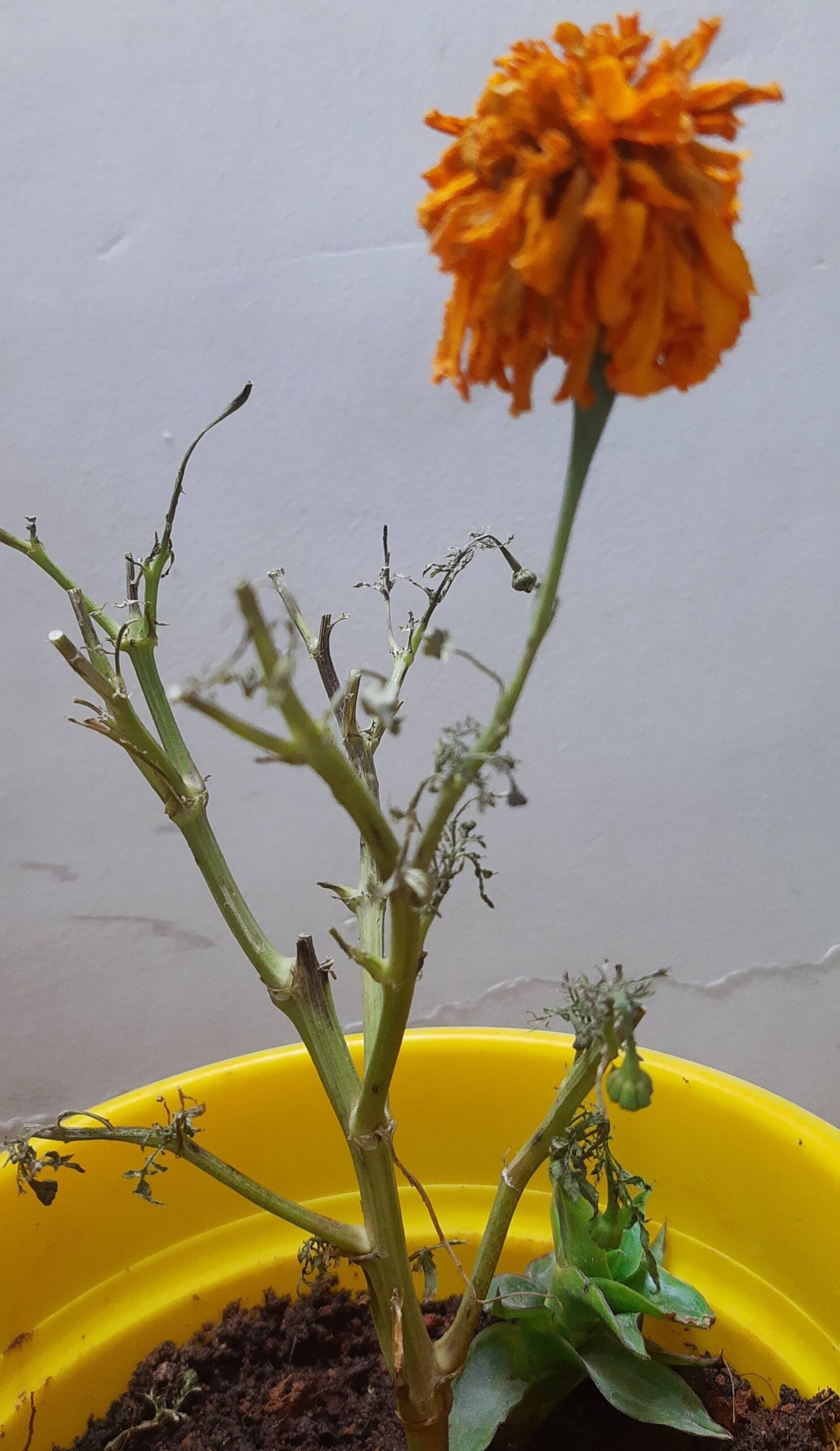
Marigolds often die because of too much water, dry soil, poor drainage, extreme heat, root damage, pests, or disease. Check the soil and roots first, then match the plant’s symptoms to the likely cause before treating it.
Across the United States, marigolds brighten front yards, porch pots, raised beds, and vegetable gardens from spring through fall. These cheerful flowers are often easy to grow, but a hot afternoon in Texas, a rainy week in Florida, or an early cold snap in the Midwest can leave them wilted, yellow, or brown. When a healthy plant suddenly starts to decline, the first step is to find out what changed.
The same symptoms can point to different problems. Yellow leaves may come from wet roots, dry soil, poor nutrition, or disease, while drooping leaves may signal either thirst or too much water. Look at the soil, stems, roots, leaves, and recent weather together. This simple check can help you avoid adding water or fertilizer when the plant needs the opposite.
Marigolds may recover when the roots and growing point remain healthy. However, a plant with a rotten stem base, badly damaged roots, or a severe wilt disease may not recover. The goal is to correct the cause early, protect nearby plants, and learn which signs call for care and which suggest replacement.
The fastest way to narrow down why a marigold is dying is to check the soil near its roots. Push a finger about 1 to 2 inches into the soil, or use a small hand trowel to inspect the root zone. Dry soil suggests the plant may need water, while soggy soil suggests poor drainage or overwatering.
Do not judge moisture by the soil surface alone. The top layer may look dry while the soil below stays wet for days, especially in a plastic pot or a bed with heavy clay. A plant with damaged roots may wilt even when the soil contains plenty of water.
Also look for changes in the weather and your care routine. A stretch of hot, windy days can dry a container quickly, while heavy rain can saturate a garden bed. If the plant began declining soon after repotting, transplant shock or root damage may be part of the problem.
Source: reddit.com
Dry soil and limp leaves
Water the root zone slowly and deeply. In a container, keep watering until excess water drains from the bottom.
Wet soil and yellow leaves
Pause watering, check the drainage holes, and allow excess moisture to drain. Inspect the roots if the plant continues to decline.
Moist soil and continued wilting
Check for root damage, stem disease, heat stress, pests, or a recent transplant rather than adding more water automatically.
How to tell whether the roots are healthy
If the plant is badly wilted despite moist soil, gently slide a container-grown marigold out of its pot or uncover a small part of the root zone. Healthy roots are generally firm and pale to light brown, depending on age and growing medium. Roots affected by severe rot may look dark, feel soft, or smell unpleasant.
Handle the roots carefully and avoid pulling apart a healthy root ball without a reason. If only a few roots are damaged, correct the drainage problem and remove clearly rotten material with clean tools when practical. If most roots have rotted and the stem base is collapsing, replacing the plant may be more effective than trying to save it.
A useful sign
Firm roots and a firm stem base suggest that recovery may still be possible.
A warning sign
Soft, dark roots combined with a sour smell or a collapsing stem point to severe root or crown damage.
2. Overwatering and Poor Drainage Can Kill Marigolds
Too much water is a common cause of marigold decline, especially when the soil drains slowly. Roots need both water and air. When the soil stays saturated, roots cannot function well, and conditions may favor root-rotting organisms.
An overwatered marigold may develop yellow lower leaves, soft stems, slow growth, or wilt despite damp soil. The plant may look thirsty, which makes the problem worse if you keep watering it. These symptoms are clues rather than proof, so check the roots and growing conditions before deciding that root rot is present.
Marigolds need regular moisture while they establish, but they generally do not thrive in waterlogged ground. Choose a site where water drains after rain, and use containers with open drainage holes. Never leave a pot sitting in a saucer full of water for long periods.
Source: towerlandscapedesign.com
Let the soil guide watering
Water when the upper layer begins to dry, while checking deeper moisture during cool or rainy weather.
Improve drainage
Use a suitable potting mix for containers. In garden beds, improve the soil structure or consider a raised bed if water repeatedly collects.
Avoid routine daily watering
A fixed schedule may give plants too much water during cool weather and too little during intense heat.
What to do if you suspect root rot
Stop adding water until the root zone begins to drain and the moisture level falls. Make sure the pot’s drainage holes are clear, and empty standing water from saucers. If the potting mix has broken down or remains saturated for a long time, repotting into fresh, well-drained mix may help if enough healthy roots remain.
Do not add fertilizer to force new growth while the roots are struggling. Fertilizer cannot repair rotten roots, and concentrated salts can add stress. If the crown is soft and most roots are dead, remove the plant and discard it rather than placing the damaged material in a home compost pile when a serious disease is suspected.
Likely recovery
The plant has a firm stem base, several healthy roots, and new growth after drainage improves.
Poor recovery outlook
The entire root system is soft or decayed, the crown is collapsing, and the plant keeps wilting in moist soil.
3. Underwatering Can Cause Sudden Wilting and Brown Leaves
A marigold that lacks water may droop, develop dry leaf edges, lose flowers, or turn brown from the tips inward. The soil often feels dry below the surface, and the pot may feel unusually light. Plants in small containers are especially vulnerable because their limited soil volume dries quickly.
This problem can appear suddenly during a hot summer afternoon in the southern United States or during a dry, windy spell elsewhere. A container on a sunny porch may need water more often than a marigold planted in a mulched garden bed. Large plants with many flowers can also use water faster than young seedlings.
Water the soil rather than giving the leaves a brief splash. Apply water slowly so it reaches the root zone. If very dry potting mix repels water, water in several passes, allowing each pass to soak in before adding more.
Source: gardening.stackexchange.com
Water deeply
Wet the full root zone instead of repeatedly dampening only the surface.
Recheck after watering
A plant suffering from temporary thirst may begin to perk up within hours, although badly damaged leaves may remain brown.
Add a layer of mulch
A thin layer of organic mulch can slow soil moisture loss in garden beds. Keep mulch away from direct contact with the stems.
How to avoid watering too little or too much
Check moisture at a similar depth each time, but adjust your routine as the weather changes. Water may be needed more often in hot, dry weather and less often after rain or during cool periods. A pot’s size, material, drainage, and root growth also affect how quickly the soil dries.
Do not assume that a wilted plant always needs water. If the soil is already wet, investigate root health and heat stress first. Repeatedly soaking a plant with damaged roots can turn a temporary problem into a lasting one.
Container plants
Check them more often during hot weather, especially small pots exposed to wind and afternoon sun.
Garden beds
Check the soil beneath the mulch and water at the base when rain has not supplied enough moisture.
4. Too Much Heat or Too Little Sun Can Stress Marigolds
Marigolds grow and flower best with plenty of light, but extreme heat can still stress them. Many common garden marigolds grow well in full sun, often defined as at least six hours of direct sunlight per day. During intense heat, plants in small pots or near hot paving may wilt even when the soil is not completely dry.
Heat stress often shows up as midday drooping, curled leaves, faded flowers, or dry leaf edges. If the plant recovers in the evening and the roots look healthy, heat and rapid moisture loss may be more likely than a severe disease. If the plant remains wilted overnight, check the soil and roots for other causes.
Insufficient light creates a different pattern. Plants may grow tall and weak, lean toward a window, produce fewer blooms, and develop thin stems. Shade alone is less likely to cause sudden death, but it can weaken growth and keep the soil wet for longer.
Source: gardening.stackexchange.com
For hot weather
Water according to soil moisture, protect small pots from reflected heat, and use light afternoon shade if plants repeatedly wilt during extreme heat.
For weak, stretched growth
Move containers to a brighter site gradually so the leaves can adjust to stronger sunlight.
For exposed roots
Cover bare soil with a modest layer of mulch and avoid piling it against the stem.
Why a marigold can wilt in wet soil on a hot day
Heat can increase water loss from leaves faster than damaged or stressed roots can replace it. This means a plant can droop even though the soil is moist. Adding more water may not solve the problem and can make poorly drained soil worse.
Check the plant again during the cooler part of the day. If it recovers, reduce heat exposure where practical and maintain steady soil moisture. If it remains limp, develops a dark stem base, or shows spreading yellow leaves, investigate root damage and disease.
Good response
Leaves regain firmness when temperatures fall, and the stem remains strong.
Concerning response
Wilting continues overnight, the stem base darkens, or new leaves keep dying despite suitable moisture.
5. Yellow Leaves May Point to Nutrient or Soil Problems
Yellow leaves do not always mean a marigold needs fertilizer. Too much water, damaged roots, natural aging, low light, and nutrient shortages can all cause yellowing. The pattern matters: older leaves may yellow first when a mobile nutrient is lacking, while root stress can affect several parts of the plant at once.
Marigolds usually grow well in reasonably fertile, well-drained soil. A soil test can help identify major nutrient problems in a garden bed, especially when several plants show similar symptoms. For containers, use a suitable potting mix and follow its fertilizer directions rather than adding several products at once.
Too much fertilizer can cause leaf-tip burn, weak growth, or a buildup of soluble salts around roots. Excess nitrogen may also encourage leafy growth at the expense of flowers. If the plant is wilted or root-damaged, correct that problem before feeding it.
Source: storage.googleapis.com
Test before major soil changes
Use a soil test when garden plants repeatedly show poor growth or yellow leaves without an obvious watering problem.
Follow label directions
Apply fertilizer at the stated rate and frequency. Do not increase the dose to speed up recovery.
Check pH and drainage
Soil conditions affect nutrient availability, while poor drainage can prevent roots from taking up nutrients normally.
When fertilizer is unlikely to help
If the soil is saturated, roots are rotten, or the stem base is damaged, fertilizer will not fix the cause. If the plant is healthy but produces plenty of leaves and few flowers, excessive nitrogen may be contributing to the problem. Reduce unnecessary feeding and check sunlight before changing the fertilizer.
A few yellow lower leaves on an otherwise healthy, flowering marigold may be normal aging. Remove dead leaves as needed, but avoid treating every color change as a nutrient emergency.
Possible nutrient issue
Growth is consistently poor, symptoms follow a recognizable pattern, and moisture and root health appear normal.
Possible root issue
Leaves yellow while the plant wilts in wet soil or the roots show dark, soft areas.
6. Fungal and Bacterial Diseases Can Damage Marigolds
Plant diseases can cause leaf spots, stem lesions, yellowing, wilting, and plant collapse. Some diseases spread when wet leaves, splashing water, crowded plants, and poor airflow create favorable conditions. Other problems begin in the roots or vascular tissue and may cause wilting that does not improve after watering.
Leaf spots can have several causes, including fungal or bacterial infections, sun injury, and physical damage. Look for spots that spread, merge, develop dark borders, or appear on new leaves. A photograph can help track changes, but appearance alone may not identify the exact pathogen.
Avoid spraying a fungicide simply because a plant looks sick. Fungicides work only against certain diseases, and they cannot reverse damage already done to dead tissue. Correct watering, improve airflow, remove badly affected material, and seek a reliable diagnosis when the disease continues to spread.
Source: trailingpetunia.com
Water near the soil
Use a watering can or drip line to limit unnecessary wetting of leaves and reduce splashing between plants.
Remove infected debris
Collect badly spotted leaves and dead stems. Dispose of them appropriately if a serious disease is suspected.
Give plants room
Space marigolds so air can move around the foliage and leaves can dry after rain or watering.
When wilting may be caused by a wilt disease
Some soilborne pathogens can interfere with water movement inside a plant. Affected marigolds may wilt even when the soil is moist, and the symptoms may progress from one side or section of the plant. Root and stem injury can create similar signs, so these patterns are clues rather than a certain diagnosis.
If a marigold keeps collapsing despite corrected moisture and sound drainage, remove the plant if severe disease is suspected. Do not move soil from around a diseased plant to another bed, and clean tools before using them elsewhere. For recurring losses, a local university extension service may help identify the likely cause and advise on suitable resistant varieties or crop rotation.
Do not reuse contaminated soil blindly
If a serious soilborne disease is suspected, avoid moving the affected soil to other parts of the garden.
Avoid unneeded chemical treatments
Choose a treatment only when the target disease is reasonably identified and the product label allows its use on the plant and problem.
7. Pests May Be Eating or Weakening Your Marigolds
Insects and mites can weaken marigolds by chewing leaves, sucking plant sap, or damaging roots. Aphids may gather on soft new growth, spider mites can cause fine stippling and webbing, and caterpillars or other chewing pests can leave holes. Slugs and snails may feed at night and leave ragged edges or slime trails.
Inspect the undersides of leaves, new shoots, flower buds, and the soil near the stem. A hand lens can help reveal tiny mites or insects. Check more than one leaf because a single damaged spot may come from an old injury rather than an active pest problem.
Start with the least disruptive option that fits the pest. Hand-pick larger insects, remove badly infested leaves, or rinse suitable plants with a gentle stream of water. Protect beneficial insects and pollinators, especially when marigolds are flowering.
Source: reddit.com
Aphids
Look for clusters of small, soft-bodied insects, curled young leaves, and sticky residue. Rinse small infestations off when practical.
Spider mites
Look for tiny pale speckles, bronzed leaves, and fine webbing, especially during hot, dry weather.
Chewing pests
Look for holes, missing leaf edges, droppings, or damage that appears overnight.
Root-feeding pests
If a plant wilts despite suitable moisture, inspect roots for unusual feeding damage before assuming a water problem.
Use pesticides only when the pest is identified
A pesticide may be unnecessary for minor damage, and a product that controls one pest may not work on another. Read the full label before use, including the listed plant, target pest, application method, protective equipment, and restrictions for flowering plants. Never apply more than the label allows.
Avoid spraying open flowers when pollinators are active. If treatment is needed, choose a method that minimizes exposure to bees and other beneficial insects, and follow all label directions. Do not mix products unless their labels specifically permit the combination.
Monitor first
Check whether pest numbers and fresh damage are increasing before choosing a treatment.
Protect pollinators
Use targeted methods and obey any label restrictions for bloom time and pollinator exposure.
8. Transplant Shock, Crowding, and Pot Problems Can Cause Decline
A marigold may droop or lose lower leaves after being moved from a nursery pot into a garden bed. Transplant shock can happen when roots are disturbed, the new site is much sunnier, or the root ball dries out soon after planting. Most mild cases improve when the plant receives steady moisture and suitable light.
Crowded marigolds may compete for water, light, and nutrients. Dense foliage also dries slowly after rain, which can increase disease risk. Follow the spacing on the seed packet or plant label because French, African, and signet marigolds can differ greatly in mature size.
A container can also limit growth if roots fill most of the available space. A root-bound plant may dry out very quickly, while a pot that is too large for a small root system may hold excess moisture for too long. Match the container to the plant and ensure water can drain freely.
Source: reddit.com
After transplanting
Water the root ball thoroughly, keep the soil evenly moist but not saturated, and avoid heavy feeding while the plant settles.
When plants are crowded
Thin or move plants carefully to improve airflow and reduce competition for resources.
When roots circle the pot
Move the plant into a suitable container with fresh potting mix and open drainage holes if its roots are tightly packed.
How to help a newly planted marigold recover
Plant marigolds at the same depth they grew in their original containers, unless the plant’s growing instructions indicate otherwise. Firm the soil gently around the roots and water thoroughly to settle the mix. Do not bury the stem deeply or press the soil so hard that air and drainage are restricted.
If the plant came from a shaded greenhouse or store display, introduce it to stronger sunlight gradually when possible. Remove only dead or badly damaged material, and wait for signs of new growth before pruning healthy foliage. Avoid repeated digging around the roots to check whether the plant has recovered.
Signs of improvement
New leaves appear, the stem remains firm, and the plant holds its shape for longer during the day.
Signs of ongoing trouble
The stem base becomes soft, new growth dies, or the plant remains wilted while the soil stays wet.
9. Cold Weather and the End of the Growing Season May Be the Cause
Marigolds are warm-season flowers and can decline when temperatures fall. In much of the United States, they grow from the last spring frost through the warm months and often remain in bloom into fall. A cold snap can damage leaves and flowers, while frost can kill tender plants.
Natural aging is another possibility. If a marigold has flowered for months and now has fewer blooms, dry brown foliage, and little new growth as fall temperatures drop, the plant may be reaching the end of its seasonal life. Annual marigolds generally complete their life cycle in one growing season, so they are not always worth trying to overwinter.
Before removing a plant, check whether the damage is limited to old flowers or affects the whole plant. Spent blooms and a few aging leaves are normal, while a collapsed stem or blackened foliage after frost suggests more serious damage. In warm regions, marigolds may last longer, but seasonal changes still affect growth.
Source: storage.googleapis.com
Remove spent flowers
Deadhead faded blooms to improve the plant’s appearance and encourage further flowering when growing conditions remain favorable.
Watch frost forecasts
Protect containers or move them to shelter during cold snaps when practical, but do not expect a tender annual to survive a hard freeze.
Know when to replace
If the plant is old, mostly brown, and no longer producing healthy growth, replacement may be more practical than extensive treatment.
Can dying marigolds be saved at the end of fall?
A plant that is still green and firm may recover from mild cool-weather stress if temperatures rise again. Move a container to a sheltered spot and avoid keeping its soil wet during cool conditions. If frost has destroyed most foliage and the stem has turned soft or black, recovery is less likely.
You can collect mature, dry seed heads from healthy plants if you want to grow marigolds again. Let the seed heads dry fully before storing the seeds in a labeled paper envelope in a cool, dry place. Do not save seed from a plant with a suspected serious disease if doing so could spread the problem.
Keep
Retain plants with firm stems and healthy new growth when the weather allows further growth.
Replace
Remove plants that have been killed by frost or have severe root or stem decay.
10. Use This Symptom Guide to Choose Your Next Step
Once you have checked soil moisture, compare the main symptoms with the table below. Treat the table as a starting point rather than a diagnosis, because several problems can occur at the same time. For example, heat can increase water demand while damaged roots reduce the plant’s ability to take up moisture.
Source: gardening.stackexchange.com
Wilting with dry soil
Likely issue: underwatering or rapid water loss. Next step: water deeply and check whether the plant perks up.
Wilting with wet soil
Likely issue: root stress, poor drainage, or disease. Next step: pause watering, inspect drainage, and check root health if symptoms persist.
Yellow lower leaves
Possible issues: natural aging, excess moisture, low light, or nutrient stress. Next step: check moisture and whether the yellowing is spreading.
Dry, crispy leaf edges
Possible issues: underwatering, heat, wind, or fertilizer salt buildup. Next step: check soil moisture, recent weather, and recent feeding.
Spots or holes in leaves
Possible issues: leaf disease, chewing insects, or physical damage. Next step: inspect leaf undersides and look for fresh damage or spreading spots.
Black or soft stem base
Possible issue: severe stem or crown damage. Next step: inspect roots, avoid excess water, and consider removing a collapsing plant.
Few flowers and tall, weak stems
Possible issues: inadequate light, excess nitrogen, or crowding. Next step: improve light gradually, review fertilizer use, and check spacing.
A simple recovery plan for the next week
On the first day, check the soil, drainage, stems, and leaves. Correct the clear problem without making several major changes at once. If the soil is dry, water it; if it is saturated, improve drainage and wait before watering again.
Over the next few days, watch for new damage and changes in leaf firmness. Remove dead flowers and badly damaged leaves with clean tools, but keep healthy green foliage. Do not add fertilizer or multiple pesticides while you are still unsure what caused the decline.
By the end of the week, look for firm stems, stable leaf color, and new growth. Old brown leaves will not turn green again, so judge recovery by the condition of the remaining healthy tissue and the appearance of new leaves. If the plant continues to collapse, reassess the roots and consider a disease diagnosis or replacement.
Day 1
Inspect soil moisture, drainage, light exposure, roots when needed, and visible pests.
Days 2 to 4
Maintain suitable moisture and observe whether wilting improves or new damage appears.
Days 5 to 7
Check for new growth, review the results, and change the plan if symptoms continue.
Frequently Asked Questions
Q
Can a dying marigold plant come back?
Yes, a marigold may recover if the roots and stem base remain healthy and the cause is corrected early. Plants suffering from mild underwatering, heat stress, or transplant shock may improve with suitable moisture and light. A plant with extensive root rot, a collapsed crown, or severe frost damage is much less likely to recover.
Q
Should I cut off the dead leaves on my marigold?
Remove fully dead leaves, faded flowers, and badly damaged material with clean scissors or pruners. Keep healthy green leaves because they help the plant make the energy needed for recovery. If disease is suspected, clean the tools afterward and dispose of infected debris appropriately.
Q
Why are my marigolds dying even though I water them every day?
Daily watering may keep the soil too wet, especially in cool weather, heavy soil, or containers with poor drainage. Saturated roots may stop taking up water effectively, causing the leaves to wilt even while the soil is wet. Check moisture below the surface, inspect drainage, and water according to the plant’s needs rather than a fixed daily schedule.
Q
Why are my marigold leaves turning yellow and brown?
Yellow and brown leaves can result from excess water, drought, heat, nutrient problems, pests, disease, or normal aging. Yellowing with wet soil suggests root stress, while dry, crispy edges with dry soil may point to a lack of water. Spots, spreading lesions, or visible insects call for a closer inspection before you choose a treatment.
Q
How often should I water marigolds?
There is no single schedule that works for every marigold. Check the upper 1 to 2 inches of soil and water when that layer begins to dry, adjusting for heat, rain, container size, soil type, and plant maturity. Water thoroughly at the base and make sure excess water can drain away.
Q
Do marigolds need full sun to survive?
Most common garden marigolds flower best with several hours of direct sun each day, often around six hours or more. Too little light can lead to weak, stretched growth and fewer flowers. In extreme heat, however, small pots may benefit from some afternoon protection if the plants repeatedly wilt despite suitable soil moisture.
Q
Should I remove a marigold with root rot?
If most roots are soft and decayed and the stem base is collapsing, removal is often the practical choice. If only limited root damage is present and the stem remains firm, improving drainage and removing clearly rotten material may help. Avoid moving potentially infected soil or diseased plant debris around the garden.
✦ Wrapping Up
Conclusion
When marigolds begin to die, start with the soil rather than reaching for fertilizer or pesticide. Dry soil, saturated roots, heat stress, poor light, pests, and disease can produce similar symptoms, so check several clues before choosing a fix. The condition of the roots and stem base often helps distinguish a plant that needs a change in care from one with severe damage.
Give a struggling marigold steady, suitable care and allow time for new growth. Water according to soil moisture, provide enough light, improve drainage, remove dead material, and avoid unnecessary chemical treatments. If the plant keeps collapsing or shows signs of a spreading disease, seek local extension guidance or replace it when recovery is unlikely.
💡 Key Takeaway
Check the soil 1 to 2 inches down today. If it is dry, water deeply; if it is wet, pause watering and inspect drainage. Then check the roots, leaves, and stem base before making any other changes.
I enjoy sharing simple gardening ideas, lawn care tips, and honest product reviews that help make outdoor work easier. From home gardening guides to helpful tools and lawn care advice, I write easy-to-follow content to help readers create a healthier and better-looking outdoor space without wasting time or money.