As an Amazon Associate, I earn from qualifying purchases.
To care for marigolds in pots, give them at least six hours of direct sunlight, plant them in loose, well-drained potting mix, water when the top inch of soil feels dry, and use fertilizer sparingly. Choose a pot with drainage holes, remove faded flowers, and protect the plants from frost.
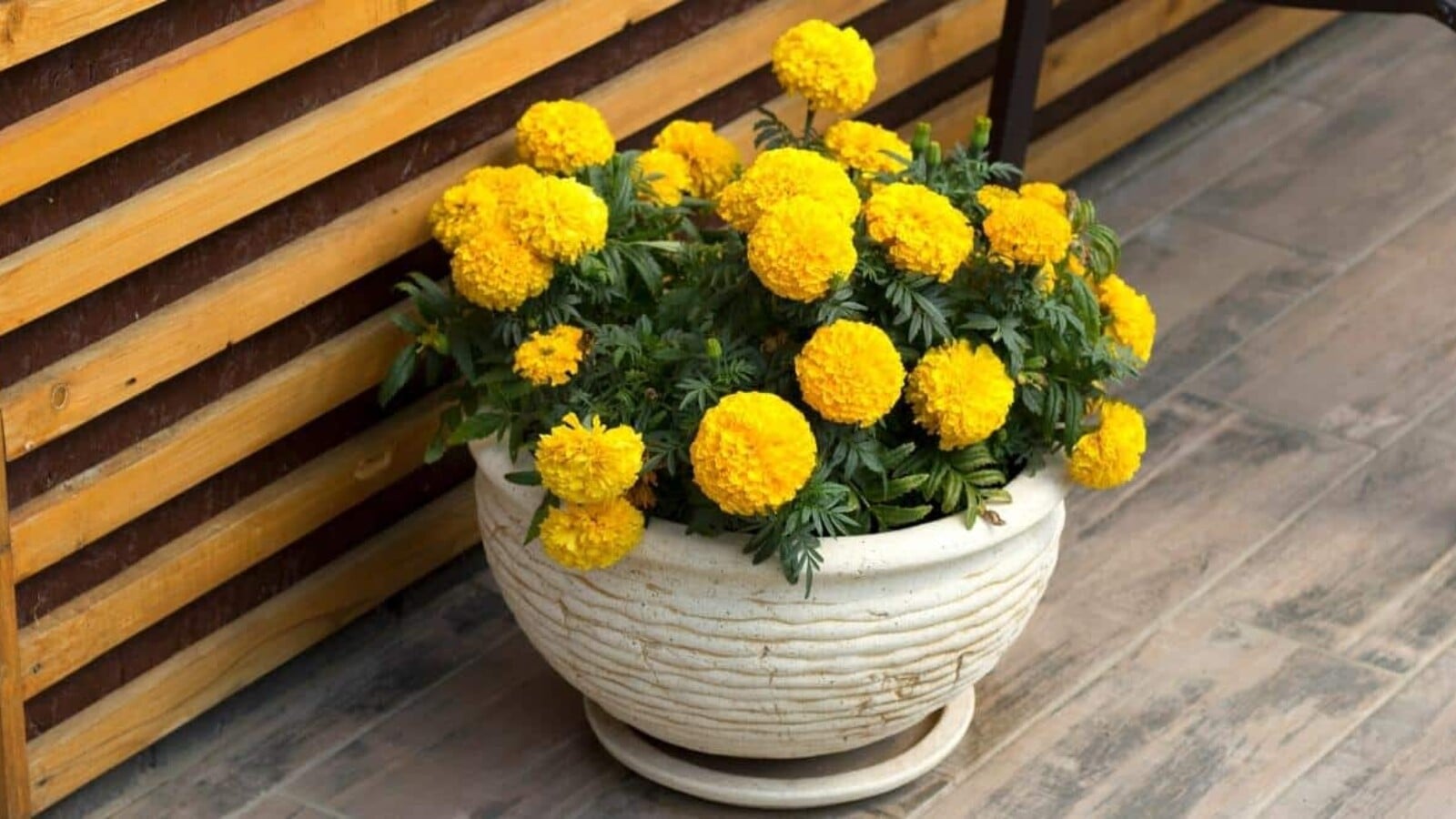
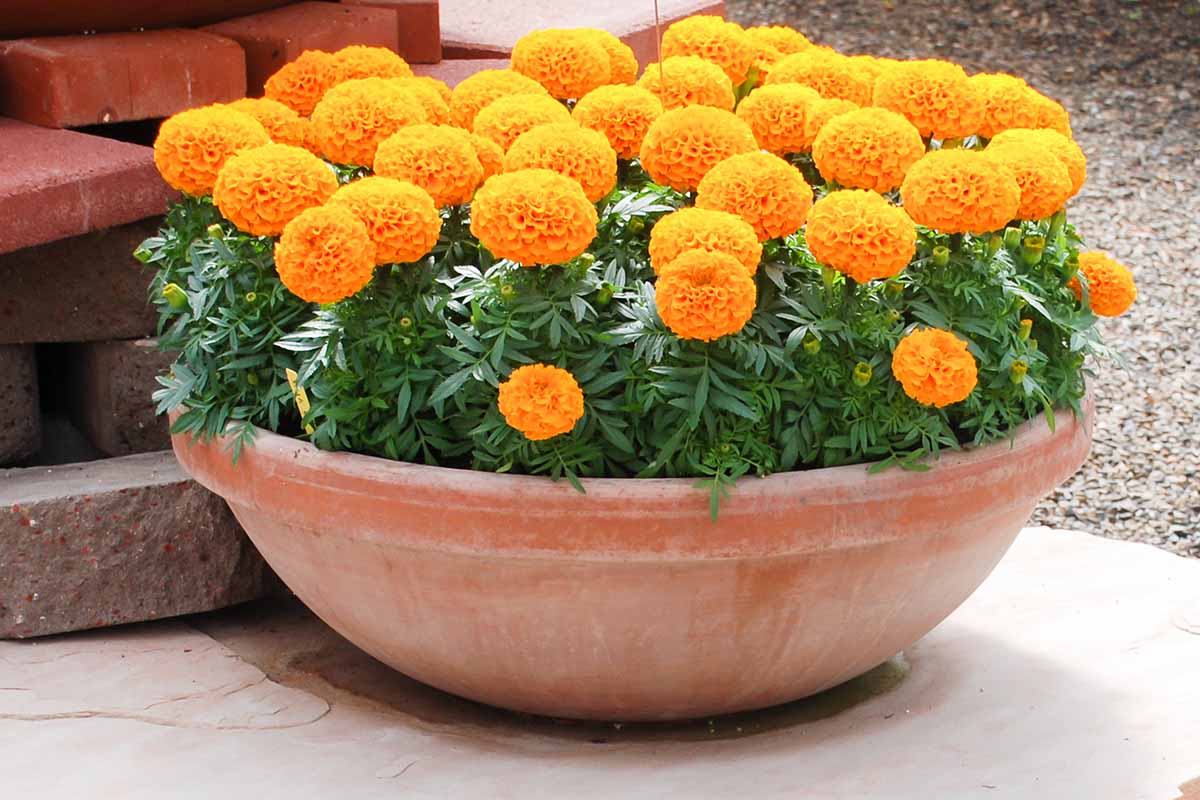
Across the United States, marigolds bring bright yellow, orange, and gold blooms to front porches, apartment balconies, sunny patios, and backyard decks. They suit many American gardens because they grow well in containers and can bloom for months when the weather stays warm. Whether you garden in humid Florida, sunny Texas, or a cooler northern state, the right pot and care routine help these cheerful flowers thrive.
Marigolds are often treated as easy flowers, but pots create a few challenges. Container soil dries faster than garden soil, roots have limited room to grow, and standing water can cause root damage. Strong summer heat can also stress a plant, even when it receives plenty of sunlight.
The good news is that potted marigolds do not need a complicated routine. Start with a sunny spot, a suitable container, and a light potting mix. Then check the soil, watch the leaves and flowers, and adjust care to match your local weather. These simple steps help you grow healthy plants without wasting water or fertilizer.
The first step in caring for marigolds in pots is to match the plant to the container. Marigolds belong to several species, and common garden varieties differ in height, flower size, and growth habit. French marigolds tend to stay compact, while African marigolds, also called American marigolds, often grow taller and produce larger flower heads. Signet marigolds have finer leaves and smaller flowers.
Compact French marigolds are useful for window boxes, small balcony pots, and the edges of larger containers. Taller African marigolds need more root room and a stable pot that will not tip over in the wind. Signet marigolds can suit mixed planters where fine foliage and many small flowers add texture.
Check the mature height and spread on the seed packet or nursery label before buying a container. A young plant may look small in a large pot, but it will need room as its roots and branches grow. Avoid crowding several plants into one container simply to make it look full on planting day.
Source: dopegardening.com
For compact varieties
Use a pot around 8 to 10 inches wide for one small plant, adjusting the size to the variety and its expected growth.
For larger varieties
Choose a deeper, wider container that can support the root system and keep tall stems stable.
For mixed containers
Leave enough space between plants for mature growth and airflow. Follow the spacing on the plant label when available.
Make Sure the Pot Drains Well
Drainage is essential because marigold roots need both water and air. Choose a container with open drainage holes in the bottom. If the pot sits on a saucer, empty the saucer after watering so the roots do not remain in standing water.
Terracotta pots allow water to evaporate through their walls, which can help in damp conditions but may require more frequent watering during hot weather. Plastic and glazed ceramic pots hold moisture longer. Heavy ceramic and stone pots offer stability for tall plants, while lightweight plastic pots are easier to move when storms threaten.
Avoid blocked drainage
Do not use a pot with sealed drainage or leave the container standing in a pool of water.
Skip the gravel layer
A layer of gravel at the bottom does not replace drainage holes and does not reliably improve drainage. Use a suitable potting mix throughout the container.
Use the Best Soil for Potted Marigolds
Marigolds grow best in loose soil that drains well but still holds enough moisture for their roots. A quality potting mix made for containers is usually the simplest choice. It provides a balance of air, moisture, and support that dense outdoor soil may not provide inside a pot.
Garden soil can become compacted in containers and may drain poorly. It can also carry weed seeds or soil pests. For this reason, avoid filling a patio planter with soil dug straight from a yard or flower bed.
Look for a potting mix that feels light and crumbly rather than sticky or heavy. Many ready-made mixes contain materials such as peat, coir, composted bark, or perlite. You do not need a special marigold-only mix if the general potting mix drains well and is suitable for flowering plants.
Fill the pot so the soil surface sits slightly below the rim. This leaves room to water without spilling soil over the edge. Set the root ball at about the same depth it grew in its nursery container, then fill around it and press the mix gently to remove large air gaps without packing it tightly.
Source: www.pinterest.com
Use fresh potting mix
Fresh mix gives container roots a suitable growing medium and avoids the compaction often found in garden soil.
Keep the root crown at the right depth
Do not bury the main stem deeper than it was growing before planting.
Water after planting
Water slowly until excess moisture flows through the drainage holes, then let the pot drain.
Can You Add Compost to the Potting Mix?
A small amount of finished, mature compost can add organic matter, but it is not necessary if the potting mix already contains suitable amendments. Avoid fresh manure or unfinished compost, which may contain excess nutrients or create conditions that harm roots. Keep the final mix loose so water can move through it freely.
Keep the mix airy
Do not add so much dense compost or garden soil that the potting mix becomes heavy and waterlogged.
Give Marigolds Plenty of Sunlight
Most common garden marigolds grow and flower best with at least six hours of direct sunlight each day. A spot that receives six to eight hours is a useful starting point for many varieties. More light often supports stronger stems and better flowering, provided the plants receive enough water and are not exposed to damaging conditions.
Place pots on a sunny patio, balcony, porch, or windowsill that receives direct outdoor sun. An indoor window may look bright but still provide much less usable light than an outdoor location. If you want to grow marigolds indoors, choose the brightest available window and watch for stretched stems or weak flowering.
In northern parts of the United States, a full-sun position can help plants make the most of the shorter growing season. In hot southern and southwestern areas, intense afternoon heat can dry small pots quickly. The goal is to provide strong light while keeping the roots from drying out completely.
Source: fity.club
Check the sun before planting
Observe the area during the day to see how many hours of direct light it receives.
Rotate indoor containers
Turn the pot occasionally if the plant leans toward the window, but do not expect rotation to replace adequate light.
Watch for poor flowering
Long, weak stems and few blooms may signal insufficient light, though excess fertilizer and other stress can also contribute.
What About Marigolds in Hot Summer Weather?
Marigolds are warm-season flowers, but small containers can heat up and dry out quickly during a heat wave. In very hot regions, check the soil more often and move pots away from heat-reflecting walls or dark pavement if the roots are repeatedly drying too fast. Avoid moving a sun-grown plant straight into deep shade, as a sudden loss of light can reduce flowering.
Use a practical test
If the soil dries out within hours on hot days, consider a larger pot, a less heat-absorbing container, or a position with some late-afternoon protection.
Water Potted Marigolds the Right Way
Water marigolds when the top inch of potting mix feels dry. Push a finger into the soil near the plant to check moisture rather than watering by the calendar alone. If the surface is dry but the soil below remains damp, wait and check again later.
When watering is needed, pour water slowly over the soil until some flows from the drainage holes. This wets the root zone more evenly than giving the plant a small splash every day. Empty the saucer afterward and make sure the drainage holes remain clear.
The right frequency depends on pot size, container material, plant size, wind, temperature, and rainfall. A small terracotta pot in a sunny Texas courtyard may need water much more often than a large plastic pot during a cool, cloudy week in the Pacific Northwest. During summer heat, check containers every day, but water only when the soil condition calls for it.
Do not assume a wilted plant always needs water. Marigolds can wilt in dry soil, but they can also wilt when roots sit in waterlogged soil and cannot take up moisture properly. Check the soil before watering again.
Source: storage.googleapis.com
Water at the soil level
Direct the water toward the potting mix instead of repeatedly soaking the flowers and leaves.
Water deeply when needed
Moisten the root zone thoroughly and allow the excess to drain away.
Adjust after rain
Rain may provide enough water, but a roof or balcony overhang can keep pots dry even during a storm.
Signs of Too Much or Too Little Water
Dry soil, drooping leaves, and crisp leaf edges can point to a lack of water, especially during hot weather. Yellow leaves, persistently wet soil, and a sour smell from the container may point to poor drainage or root stress. These signs overlap, so check moisture and drainage before changing the watering routine.
If the mix is bone dry and has pulled away from the pot, water slowly in several passes so it can absorb moisture. If the soil is soggy, stop watering temporarily, clear blocked drainage holes, and move the pot to a sheltered spot where rain cannot keep it saturated.
Dry pot
Water thoroughly and check again after the excess water has drained.
Wet pot
Wait for the mix to dry somewhat before watering again and inspect the roots if the plant continues to decline.
Feed Marigolds Without Overdoing It
Marigolds need nutrients to build roots, leaves, stems, and flowers, but heavy feeding is not required. A potting mix that contains fertilizer may provide enough nutrients for the first part of the growing season. Check the mix label before adding more, since combining several fertilizer sources can lead to excessive feeding.
If the mix contains little or no fertilizer, use a balanced, water-soluble fertilizer according to its label. A product intended for flowering container plants may also work. Apply it at the stated rate and frequency, and avoid feeding a plant whose roots are damaged or whose soil is already waterlogged.
Too much nitrogen can encourage leafy growth at the expense of flowers. If your marigold has lots of green leaves but few blooms, review its sunlight, feeding routine, and growing conditions before adding more fertilizer. Low light, excessive heat, and other forms of stress can also reduce flowering.
Container nutrients can wash out with repeated watering, especially during hot weather. That does not mean you should automatically fertilize every week. Follow the product label and consider the fertilizer already present in the potting mix.
Source: www.pinterest.com
Start with the label
Use the rate and schedule printed on the fertilizer package rather than guessing a stronger dose.
Avoid fertilizer on dry roots
Water a dry container first when appropriate, since concentrated fertilizer salts can add stress to thirsty roots.
Do not feed every time you water
Frequent feeding can build up salts and harm roots unless the product is specifically designed for that schedule.
Should You Use Homemade Fertilizer?
Household mixtures such as coffee grounds, eggshells, or banana peels are not reliable substitutes for a balanced container fertilizer. Their nutrients may not be available quickly or in proportions that meet the plant’s needs. For predictable care, use a suitable potting mix and a labeled fertilizer when additional nutrients are needed.
Keep feeding simple
A suitable potting mix, sensible watering, and moderate fertilizer use are usually more useful than multiple homemade treatments.
Deadhead Marigolds for More Flowers
Deadheading means removing flowers after they fade. It keeps a potted marigold looking neat and can encourage many varieties to produce more blooms instead of putting much of their energy into seed production. It also helps you spot damaged flowers before they begin to rot.
Check the plant every few days during its main flowering period. Follow a faded flower stem down to the first healthy leaf or branching point, then snip it with clean scissors or pinch it off if the stem is soft enough. Avoid tearing the main stem or removing healthy buds by mistake.
Not every spent flower must be removed at once. If you want to collect seeds from an open-pollinated variety, leave a few healthy flowers on the plant until the heads dry and mature. Hybrid varieties may not produce seedlings that resemble the parent plant.
Source: gardenerspath.com
Remove faded heads
Cut or pinch off flowers that have browned or dried, unless you are saving their seeds.
Trim damaged growth
Remove dead or broken stems with clean tools to keep the plant tidy.
Keep healthy buds
Look closely before cutting so you do not remove new flower buds.
Do Marigolds Need Pruning?
Most compact marigolds need little pruning beyond deadheading and removing damaged stems. If a young plant grows tall and sparse, a light pinch of the growing tips may encourage branching, provided the variety responds well to pinching. Avoid heavy pruning late in the season or when the plant is already stressed.
Shape young plants lightly
Pinch a few growing tips early if you want a bushier shape, and allow the plant time to recover before expecting more flowers.
Protect Potted Marigolds From Heat, Wind, and Rain
Container plants experience faster changes in soil moisture and temperature than plants growing in the ground. Their roots have less soil around them, so hot pavement, dry wind, and heavy rain can affect them quickly. A little attention to the pot’s position can prevent many common problems.
During a heat wave, check the soil each morning and again later if the container is small or the weather is extremely hot. If the pot dries too quickly, move it away from reflective walls and hot concrete or use a larger container when repotting is appropriate. Do not leave the pot in a standing tray of water to solve the problem.
Strong wind can break tall stems or tip lightweight containers. Move vulnerable pots to a sheltered area or use a heavier container for tall varieties. After a storm, inspect stems and remove any broken sections with clean tools.
Heavy rain can keep the soil saturated for days, especially when pots sit under poor drainage conditions. Move containers under a roof or to a protected location during prolonged wet weather, while making sure the plants still receive enough sunlight. Return them to their usual sunny spot when conditions improve.
Source: Gardening Know How
In hot, dry weather
Check moisture often, water when needed, and consider a larger container if the root ball dries out too rapidly.
In windy weather
Group pots in a sheltered place or move tall plants away from exposed edges and railings.
During extended rain
Protect the container from constant soaking and confirm that water can escape through the drainage holes.
How to Care for Marigolds in Different US Regions
Local weather changes the care routine, even when the basic needs stay the same. In Florida and other humid southern areas, pay close attention to airflow and soil drainage during wet spells. In Arizona and other hot, dry areas, container size and frequent moisture checks can matter more than in cooler regions.
In the Midwest and Northeast, protect plants from strong winds and watch for cool nights late in spring and early in fall. In the Pacific Northwest, sheltered containers may receive less rain than expected, while exposed pots can remain wet for long periods. Across all regions, use the plant’s condition and the soil’s moisture to guide care rather than relying on a fixed schedule.
Hot and dry climates
Check small containers frequently and avoid placing them where reflected heat makes the soil dry unusually fast.
Humid and rainy climates
Allow airflow around the foliage and prevent the potting mix from staying saturated.
Cooler climates
Wait until frost danger has passed before moving marigolds outdoors for the season, and bring them under cover when frost threatens.
Spot and Solve Common Marigold Problems
A change in leaf color, flower production, or stem growth is a signal to inspect the plant rather than immediately apply fertilizer or a pest spray. Begin with the simplest checks: soil moisture, drainage, sunlight, and recent weather. These factors often explain problems in container-grown marigolds.
Look at the entire plant, including the undersides of leaves and the soil near the stem. Check for insects, sticky residue, fine webbing, spots, or damaged roots if the basic growing conditions seem right. When possible, identify the cause before choosing a treatment.
Source: epicgardening.com
Yellow leaves
Check for soggy soil, poor drainage, and excessive fertilizer. Older leaves may also yellow naturally as the plant ages.
Few flowers
Check sunlight first, then review fertilizer use, crowding, and heat stress.
Drooping stems
Feel the soil before watering. Dry soil can mean thirst, while wet soil may point to root trouble.
Brown leaf edges
Look for rapid drying, hot wind, excess fertilizer salts, or damage from strong sun after a sudden change in conditions.
Chewed leaves
Inspect for caterpillars, slugs, or other feeding pests and remove identifiable pests when practical.
What If the Marigold Is Wilting but the Soil Is Wet?
Do not add more water when the potting mix is already wet. Roots need oxygen as well as moisture, and prolonged saturation can cause root damage that prevents the plant from taking up water. Check the drainage holes, empty any saucer, and let the mix begin to dry.
If the plant continues to decline, gently inspect the roots when practical. Healthy roots are generally firm, while severely damaged roots may be dark, soft, or unpleasant-smelling. Trim only clearly dead roots with clean tools, then repot into fresh, well-drained mix if enough healthy roots remain.
Improve drainage first
Clear blocked holes and remove standing water before changing anything else.
Avoid automatic watering
Use the soil moisture and plant condition to decide when to water.
How to Check for Pests and Leaf Disease
Aphids may cluster on soft stems and buds, while spider mites can cause fine speckling and webbing. Caterpillars may leave visible holes or missing sections of leaves. Remove small numbers of pests by hand or use a gentle water spray when appropriate, taking care not to saturate the potting mix.
If a pesticide is needed, identify the pest and choose a product labeled for that pest and the intended use site. Follow all label directions and precautions, including any instructions about pollinators and flowering plants. Do not spray blooms when bees and other pollinators are actively visiting them unless the label specifically permits the application under those conditions.
Inspect weekly
Look at new growth and the undersides of leaves before pest numbers become difficult to manage.
Remove badly damaged material
Prune dead or diseased leaves when appropriate, and clean tools before moving between plants.
Keep Marigolds Healthy Through the Growing Season
A simple routine makes container care easier. Check the soil before watering, inspect new leaves for pests, remove faded flowers, and watch how the plant responds to its location. You do not need to perform every task each day, but regular checks help you catch problems early.
Newly planted marigolds need close attention while their roots settle into the container. Water thoroughly after planting, keep the mix evenly moist without leaving it soggy, and avoid strong fertilizer doses while the roots adjust. Once the plant begins putting out healthy new growth, follow the normal watering and feeding routine.
As the plant grows, roots may fill the container and water may pass through too quickly. A pot-bound plant can dry out rapidly and may show reduced growth or flowering. If the container is crowded with roots, move the plant to a larger pot with fresh potting mix when the weather and plant condition allow.
Marigolds are usually grown as annual flowers in the United States. They often decline as temperatures fall and frost arrives. In mild climates, a plant may continue blooming longer, but most gardeners get the best results by starting with fresh plants or seeds for the next warm season.
Source: gardenerspath.com
During the first week
Check moisture daily and watch for signs of transplant stress without keeping the mix constantly wet.
During active growth
Maintain strong light, water as needed, deadhead spent blooms, and feed only according to the mix and fertilizer labels.
Late in the season
Remove declining plants after frost damage or when they stop growing well, and clean reusable pots before the next planting.
Can You Grow Marigolds Indoors in Pots?
You can keep a marigold in a pot indoors, but flowering may be limited if the plant does not receive enough direct light. A bright, sunny window is the best place to start. If stems stretch toward the glass or blooms become sparse, the available light may be too low.
Avoid placing the pot beside a cold draft or directly against a very hot window. Indoor containers also need drainage, and excess water should never remain in the saucer. If you use a grow light, follow the manufacturer’s distance and timing instructions for the light and plant setup.
Choose the brightest location
Aim for several hours of direct sunlight and monitor the plant for weak or stretched growth.
Prevent indoor waterlogging
Use a pot with drainage holes and remove excess water from the saucer after watering.
Should You Bring Potted Marigolds Inside for Winter?
Common garden marigolds are warm-season annuals and are sensitive to frost. Moving a pot indoors before a frost may extend the plant’s life for a short time, but indoor light and temperature conditions may not support long-term flowering. In most US regions, it is simpler to collect suitable seeds or buy new plants for the next growing season.
If you want to save seeds, let a few flower heads dry on the plant, then collect the mature seeds and store them in a cool, dry place. Label the variety and keep the seeds dry until planting time. Seeds saved from hybrid plants may produce flowers that differ from the parent.
Watch the forecast
Protect plants before frost if you want to extend the season, but do not expect a warm-season annual to become a dependable perennial.
Plan for next spring
Save mature seeds when suitable or start with new nursery plants after frost danger passes.
A Simple Weekly Care Plan for Potted Marigolds
A short checklist helps you keep marigolds healthy without overwatering or overfeeding them. Use it as a guide rather than a strict schedule, since a pot in hot, dry weather needs different care from one in cool, rainy conditions.
The most useful habit is to check the plant before taking action. Soil moisture determines watering, the plant’s growth and the fertilizer label guide feeding, and the condition of the flowers tells you when to deadhead. This approach avoids common mistakes caused by following the same routine in every season.
Source: Gardening Know How
Check soil moisture
Feel the top inch of mix and water thoroughly if it has dried.
Inspect leaves and stems
Look for yellowing, spots, pests, broken stems, and signs of poor drainage.
Remove spent flowers
Snip faded blooms to keep the plant tidy and support continued flowering.
Review sunlight
Make sure the pot receives enough direct light and has not been shaded by new growth or nearby objects.
Feed only when needed
Check the potting mix and fertilizer label before applying additional nutrients.
Prepare for weather changes
Move vulnerable containers before strong winds, prolonged rain, extreme heat, or frost.
How Do You Know Your Marigold Is Doing Well?
A healthy potted marigold usually has firm stems, fresh green foliage, and new buds or flowers during suitable growing weather. The potting mix should drain after watering rather than staying soaked for days. The plant should also maintain a balanced shape instead of becoming weak and stretched.
Some older leaves may yellow as the plant grows, and a few flowers will naturally fade. Those changes do not always signal a problem. Focus on the overall pattern: steady new growth, regular flowering, and roots that are not constantly wet or repeatedly drying out.
Healthy growth
New leaves appear, stems remain firm, and the plant develops buds when light and temperature are suitable.
Good water balance
The mix absorbs water, drains freely, and dries gradually between watering sessions.
Regular flowering
Fresh blooms appear as older flowers fade, provided the plant is receiving adequate light and suitable care.
Frequently Asked Questions
Q
How often should you water marigolds in pots?
Water when the top inch of potting mix feels dry, then water thoroughly until excess moisture drains from the bottom. This may mean daily checks during hot summer weather and less frequent watering during cool or rainy periods. Pot size, wind, sunlight, and container material all affect how quickly the soil dries.
Q
Do marigolds grow better in pots or in the ground?
Marigolds can grow well in both pots and garden beds. Pots give you more control over soil, drainage, and placement, making them useful for patios and balconies. However, containers dry out faster and restrict root space, so they may need more frequent checks than plants growing in the ground.
Q
How much sunlight do potted marigolds need?
Most common garden marigolds need at least six hours of direct sunlight each day and often flower well with six to eight hours. In very hot climates, monitor soil moisture and heat stress closely. Poor flowering can result from insufficient light, excessive nitrogen, or other growing problems.
Q
Why are my potted marigolds turning yellow?
Yellow leaves may result from overwatering, poor drainage, nutrient problems, or normal aging. Feel the soil first and check whether water drains from the pot. If the mix remains soggy, improve drainage and allow it to dry somewhat; if the mix is dry, water thoroughly. Avoid adding fertilizer until you have a clearer idea of the cause.
Q
What is the best fertilizer for marigolds in pots?
A balanced, water-soluble fertilizer suitable for flowering container plants can work well when the potting mix needs extra nutrients. Follow the product label and account for any fertilizer already included in the mix. Avoid excessive nitrogen because it can encourage leafy growth while reducing flower production.
Q
Can marigolds survive winter in pots?
Most common garden marigolds are warm-season annuals that do not tolerate frost well. In mild regions, they may bloom longer, but cold weather often ends the growing season. You can protect a pot from an approaching frost to extend flowering briefly, or save mature seeds for the next planting season.
Q
Should you remove dead marigold flowers?
Yes, removing faded flowers is a useful way to keep potted marigolds neat and encourage continued blooming in many varieties. Cut the spent flower stem back to a healthy leaf or branching point with clean scissors. Leave a few flower heads in place if you want to collect mature seeds.
✦ Wrapping Up
Conclusion
Learning how to care for marigolds in pots comes down to a few simple habits. Give the plants plenty of sunlight, use a container with drainage holes, choose a loose potting mix, and water when the soil begins to dry. Feed lightly when needed and remove faded flowers to keep the plant looking fresh.
Adjust your routine to match your local weather and the type of container you use. A small pot in a hot, sunny location may dry quickly, while a large pot in cool, wet weather may stay damp for days. Check the soil and the plant before making changes, and avoid adding water or fertilizer without a clear reason.
With suitable light, good drainage, and regular care, potted marigolds can brighten porches, balconies, patios, and windows throughout the warm growing season. Start with the right container, observe how your plant responds, and make small adjustments as needed.
💡 Key Takeaway
Place your marigold in a sunny spot today, check that the pot drains freely, and feel the top inch of soil before watering. Remove faded flowers and inspect the leaves once a week to keep the plant healthy and blooming.
I enjoy sharing simple gardening ideas, lawn care tips, and honest product reviews that help make outdoor work easier. From home gardening guides to helpful tools and lawn care advice, I write easy-to-follow content to help readers create a healthier and better-looking outdoor space without wasting time or money.