
As an Amazon Associate, I earn from qualifying purchases.
Red wigglers are my top choice for raised garden beds when you want fast composting, rich castings, and better soil.
A raised bed can look great in spring, yet your tomatoes may struggle when summer heat arrives. Your lettuce may grow slowly, and the soil may dry out soon after you water. Busy American gardeners often want an easy way to turn kitchen scraps and garden waste into useful soil food. Worms can help with that job. The right kind breaks down soft plant waste and leaves behind castings that feed the soil. In this guide to the Best Worms For Raised Garden Beds, I compare five live-worm options from Uncle Jim’s Worm Farm. I explain which pack size makes sense, how to use each type, and what to check before you buy.
Page Contents
Toggle🏆 Top 3 Products

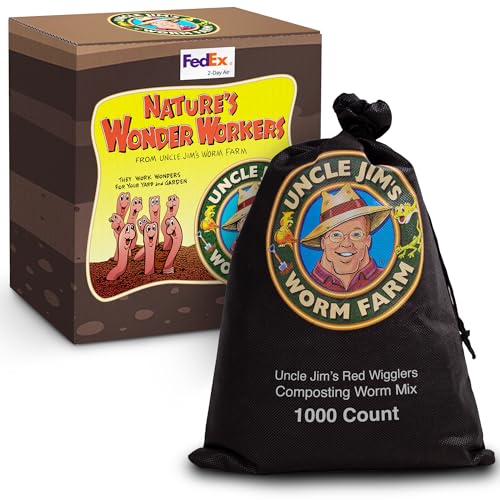
Uncle Jim’s 1,000 Red Wiggler Composting Worms
This large red wiggler pack suits gardeners who want to start a busy composting setup and process plant waste.

Uncle Jim’s 100 Red Wiggler Composting Worms
This smaller pack offers a practical way to learn worm care before building a larger composting colony.

Uncle Jim’s 500 Red Wiggler Composting Worms
This middle-size pack offers a useful balance between colony size and the space needed to manage it.
Uncle Jim’s 1,000 Red Wigglers
The Uncle Jim’s Worm Farm 1,000-count red wiggler pack is my leading choice for gardeners who want a large composting colony. Red wigglers live near the surface, where they feed on soft, rotting plant matter. This makes them a good match for a worm bin filled with damp bedding and small food scraps. Their castings add useful organic matter to a garden soil routine.
This pack makes the most sense when you already have a suitable bin or a steady supply of plant waste. You can use finished worm castings in raised beds, mix them into potting mixes, or add a modest amount around established plants. Do not assume all 1,000 worms will thrive if you release them into an ordinary garden bed. Red wigglers prefer rich, moist organic material and may leave a bed that does not meet their needs.
✅ Pros
- ✔Provides a large starting colony for a suitable worm bin.
- ✔Red wigglers feed well on decomposing plant matter.
- ✔Can help turn fruit and vegetable scraps into useful castings.
- ✔Produces a renewable source of organic soil amendment when managed well.
- ✔Works for gardeners with regular compostable kitchen waste.
- ✔Can support a larger composting system than a tiny starter pack.
- ✔Useful for gardens with several raised beds.
- ✔Allows a gardener to build a worm population over time.
⚠️ Cons
- ✖Needs enough bedding, moisture, air, and food to support the colony.
- ✖A large shipment can overwhelm a small or unprepared bin.
- ✖Red wigglers are not the best choice for deep, dry, mineral garden soil.
- ✖Live-worm delivery and survival may depend on weather and shipping conditions.
- ✖The initial colony may cost more than a small starter pack.
My Recommendation
I recommend this pack for gardeners who want a substantial red wiggler colony and have a well-prepared worm bin. It is the strongest all-round choice in this group for making castings at home, especially if your household produces a steady stream of suitable food scraps. Start by checking the bin size and preparing damp bedding before the worms arrive. Feed small amounts at first, then increase the supply as the colony settles in. If your only goal is to release worms into a raised bed, buy fewer worms only if you also have a suitable habitat. A large count alone does not guarantee better soil.
| Best For | Why |
|---|---|
| Large home composting bins | A larger colony can process more suitable scraps when the bin has enough space and bedding. |
| Gardeners with several beds | A well-managed colony can supply castings for more than one growing area. |
| Regular kitchen scrap composting | The larger starting count suits homes that can feed the bin on a steady schedule. |
Uncle Jim’s 100 Red Wigglers
The Uncle Jim’s Worm Farm 100-count red wiggler pack is a simple starting point for a small worm bin. Red wigglers are popular composting worms because they feed near the surface and handle soft, decomposing plant waste well. Their castings can add organic matter to a raised bed when you harvest and apply them. This smaller pack also lets a new worm keeper learn the basics without starting with a huge colony.
A 100-count pack works best when you prepare the habitat before the worms arrive. Use a ventilated container, damp paper or coconut fiber bedding, and small amounts of suitable food waste. Keep the bedding moist but not soaked, and make sure excess water can drain. This product is not a shortcut for fixing poor soil by itself. The worms need food and the right conditions before they can produce a useful amount of castings.
✅ Pros
- ✔Offers a manageable starting count for beginners.
- ✔Fits small home worm bins and compact composting setups.
- ✔Red wigglers feed on many common fruit and vegetable scraps.
- ✔Can produce castings for pots, seedlings, and raised beds.
- ✔Makes it easier to learn moisture and feeding control.
- ✔Needs less initial bin capacity than a larger colony.
- ✔Can grow into a larger colony when conditions are suitable.
- ✔Useful for gardeners who want to try vermicomposting before expanding.
⚠️ Cons
- ✖Produces castings more slowly than a well-managed, larger colony.
- ✖May not meet the needs of a household producing lots of scraps.
- ✖Still needs a proper bin and suitable bedding.
- ✖Worms may struggle in dry, hot, or waterlogged conditions.
- ✖The small count may disappoint gardeners expecting an instant soil change.
My Recommendation
I recommend this pack to first-time worm keepers and gardeners with one small raised bed. It gives you a chance to learn how red wigglers respond to food, moisture, and temperature. Keep your expectations realistic. A colony of 100 worms will not transform a large garden overnight, and the number you receive may not equal the number that thrive. Start with a small bin and add food in thin layers. Once the colony grows and the bedding becomes rich with castings, harvest a little and work it into the soil. This is a sensible option for learning the process before spending more.
| Best For | Why |
|---|---|
| New worm keepers | A smaller colony makes it easier to learn basic care and feeding. |
| One compact raised bed | The bin can provide a modest amount of castings for a small garden. |
| Small indoor or sheltered bins | A smaller colony can fit a modest setup when airflow and moisture are managed. |
Uncle Jim’s 250 European Nightcrawlers

The Uncle Jim’s Worm Farm 250-count Super Red European Nightcrawler pack is a different option from the red wiggler packs. European nightcrawlers are larger worms that can work in compost systems and moist garden soil. They burrow more deeply than surface-dwelling red wigglers, so they may suit some raised beds with enough depth and suitable soil. Their burrowing can help create small channels through the growing medium.
These worms are not a perfect fit for every bed. A shallow planter that dries out fast may not offer enough room or stable moisture for them. Their success depends on the soil mix, temperature, water, and food supply. They can also be used in a managed worm bin, but you should not expect them to behave exactly like red wigglers. Choose this pack when you want larger worms and understand the conditions they need.
✅ Pros
- ✔Offers larger worms than common red wigglers.
- ✔Can suit deeper raised beds with moist, organic-rich soil.
- ✔Burrowing may help create small channels in suitable growing media.
- ✔Can be used in some composting setups.
- ✔Provides another choice for gardeners who prefer larger soil-dwelling worms.
- ✔May work well in beds that stay evenly moist without becoming waterlogged.
- ✔Useful for gardeners interested in both soil activity and composting.
- ✔The 250-count pack offers a moderate starting quantity.
⚠️ Cons
- ✖May be less suited to shallow beds that dry out quickly.
- ✖Needs a suitable habitat rather than bare, dry soil.
- ✖Larger worms do not automatically make better compost.
- ✖May be less efficient than red wigglers for a typical surface-fed worm bin.
- ✖Outdoor survival can vary with local climate and bed conditions.
My Recommendation
I recommend European nightcrawlers for gardeners with deeper beds, steady soil moisture, and plenty of organic matter. They are worth considering when you want larger worms that can move through a suitable growing medium. I would not make them my first pick for a small indoor compost bin focused on processing kitchen scraps. Red wigglers usually make more sense for that job. Before ordering, check the depth and drainage of your bed and think about summer heat. If your raised bed sits in full sun and dries out in a day, improve moisture control first. A good habitat matters more than the worm count.
| Best For | Why |
|---|---|
| Deeper raised beds | The worms have more room to move through suitable moist soil. |
| Gardeners seeking larger worms | European nightcrawlers are larger than typical red wigglers. |
| Moist, organic-rich beds | Stable moisture and food help provide a better habitat. |
Uncle Jim’s 500 Red Wigglers
The Uncle Jim’s Worm Farm 500-count red wiggler pack sits between the small 100-count option and the larger 1,000-count pack. It gives gardeners a useful starting colony without demanding as much space as the largest option. Red wigglers are well suited to bins that contain damp bedding, small food scraps, and decaying plant material. Over time, a healthy colony can turn these materials into worm castings for your garden.
This size is a good match for a home gardener who wants to build a steady supply of castings. You still need to prepare the bin and avoid overfeeding. Too much fresh food can rot, smell, and attract pests before the worms can process it. Use the finished castings as one part of a wider soil care plan, alongside compost, mulch, and regular watering. The worms are most useful when you manage their habitat instead of expecting them to repair a raised bed on their own.
✅ Pros
- ✔Offers a middle-size colony for home composting.
- ✔Can suit a moderate worm bin with enough bedding.
- ✔Red wigglers readily feed on many soft plant scraps.
- ✔Can supply castings for several containers or a small raised bed.
- ✔Provides more starting worms than the 100-count pack.
- ✔Does not require as much initial capacity as the 1,000-count pack.
- ✔Can expand over time if food and conditions support reproduction.
- ✔Works well for gardeners who want a steady composting routine.
⚠️ Cons
- ✖Needs more bin space and food than a very small colony.
- ✖May be too many worms for an unprepared container.
- ✖Castings production depends on care, not just the starting count.
- ✖Worms need protection from extreme heat, cold, and dry bedding.
- ✖Does not guarantee that worms will stay alive if released into an unsuitable bed.
My Recommendation
I recommend the 500-count pack as a balanced choice for many home gardeners. It gives you enough worms to establish a useful colony without starting at the largest scale. This is especially appealing if you have a medium-sized bin and want castings for several pots or a modest raised bed. Prepare the bedding before delivery and feed slowly while the colony settles in. If you produce very little food waste, the 100-count option may be easier to manage. If you have several large bins and lots of suitable scraps, the 1,000-count pack may suit you better. Match the colony to the system you can maintain.
| Best For | Why |
|---|---|
| Medium home worm bins | The starting count fits a system with enough room, bedding, and regular food. |
| Small to medium raised gardens | A managed colony can provide castings for several growing areas over time. |
| Gardeners ready to expand | It offers a middle ground between a trial colony and a large operation. |
Uncle Jim’s 250 Red Wigglers

The Uncle Jim’s Worm Farm 250-count red wiggler pack is a middle choice for gardeners who want more than a tiny trial colony. Red wigglers thrive in damp bedding rich in decomposing plant matter. They can help turn kitchen scraps into castings that you can add to a raised bed or container garden. This pack may suit a modest composting setup without the larger space needs of a 500- or 1,000-count colony.
A 250-count colony still needs thoughtful care. Prepare a bin with air holes and damp bedding, then add small amounts of suitable food waste. Avoid meat, dairy, oily food, and large amounts of salty or spicy scraps. Keep the bin out of direct sun and protect it from temperature extremes. Once the colony settles in, use the castings in small amounts around plants or blend them into soil. The goal is steady, healthy composting, not a quick fix for every soil problem.
✅ Pros
- ✔Offers a practical colony size for a modest worm bin.
- ✔Provides more starting worms than the 100-count pack.
- ✔Red wigglers are well suited to surface composting.
- ✔Can help process suitable kitchen scraps and plant waste.
- ✔Produces castings that can be used in raised beds and pots.
- ✔Requires less initial bin capacity than a 500- or 1,000-count colony.
- ✔Gives beginners room to learn without starting at a very large scale.
- ✔Can grow into a larger colony with good care.
⚠️ Cons
- ✖Still needs a prepared bin and a steady moisture level.
- ✖May produce castings too slowly for a large garden.
- ✖Overfeeding can cause odors and attract unwanted insects.
- ✖Extreme temperatures can harm the colony.
- ✖The worms may not establish well in a raised bed that lacks organic matter.
My Recommendation
I recommend this pack for gardeners who want a manageable red wiggler colony but expect to produce more castings than a tiny starter pack can supply. It suits a small household, a few containers, or one modest raised bed when paired with a suitable bin. It is also a useful option for someone who understands the basics but does not need a large colony yet. Prepare bedding first, feed in small amounts, and watch how quickly the worms consume each addition. When food remains after several days, reduce the next feeding. Good care helps the colony grow and keeps the bin pleasant to use.
| Best For | Why |
|---|---|
| Modest composting systems | The colony size suits a bin that has more capacity than a tiny starter setup. |
| Small raised-bed gardens | Finished castings can support a few growing areas when used as a soil amendment. |
| New gardeners ready to learn | It offers a practical middle step before moving to a large worm colony. |
Final Verdict: Which Should You Buy?
My top choice among the Best Worms For Raised Garden Beds is Uncle Jim’s 1,000-count red wiggler pack for gardeners with a prepared bin and a steady supply of plant scraps. The 500-count pack is a balanced alternative, while the 100- and 250-count options suit smaller setups. Choose the 250 European nightcrawler pack if you specifically want larger worms for a deeper, moist growing environment. No pack can replace good soil, water, and care.
For the Best Worms For Raised Garden Beds, start with red wigglers if your main goal is home composting. Prepare their habitat, feed them carefully, and use the finished castings to support your raised-bed soil. Choose a colony size you can manage, and let healthy soil build over time.
FAQs Of Best Worms For Raised Garden Beds
Q What are the best worms for raised garden beds?
Q Can I put red wigglers directly into my raised garden bed?
Q How many worms do I need for a raised garden bed?
Q How do worm castings help raised garden beds?
Q How do I keep composting worms alive in hot weather?

I enjoy sharing simple gardening ideas, lawn care tips, and honest product reviews that help make outdoor work easier. From home gardening guides to helpful tools and lawn care advice, I write easy-to-follow content to help readers create a healthier and better-looking outdoor space without wasting time or money.