As an Amazon Associate, I earn from qualifying purchases.
The best indoor plants for black thumbs include snake plants, ZZ plants, pothos, spider plants, and cast iron plants. These hardy houseplants tolerate some missed waterings and common care mistakes, making them good choices for busy American homes and first-time plant owners.
From apartments in New York City to homes in Texas and California, indoor plants can add life to almost any room. Yet many people struggle to keep them alive. Dry indoor air, strong air conditioning, dim corners, and busy work schedules can make plant care feel harder than it should be.
The good news is that you do not need a green thumb to grow healthy houseplants. Some plants store water in their leaves or roots, while others can adapt to a range of indoor light levels. These traits give beginners more room to learn without losing a plant after every small mistake.
The trick is to choose a plant that fits your home rather than forcing a plant to fit your routine. A sunny window, a cool bedroom, and a dark hallway offer very different growing conditions. Once you match the plant to the space, simple habits can take much of the guesswork out of care.
A plant suited to black thumbs can handle ordinary care mistakes better than a delicate houseplant. It may tolerate a short dry spell, adapt to typical indoor temperatures, or grow well without constant pruning. These traits make it easier for a beginner to build good habits.
However, no houseplant is truly impossible to kill. Every living plant needs suitable light, water, and healthy roots. A tough plant may survive neglect, but long-term growth still depends on its basic needs.
The most useful choice is a plant that matches your home and your habits. If you often forget to water, choose a drought-tolerant type. If you have a shaded room, select a plant that tolerates lower light, while remembering that tolerance does not mean it can grow in complete darkness.
Source: www.pinterest.com
Tolerance for missed watering
Plants that store water in thick leaves, stems, or underground structures often cope with short dry periods better than plants with delicate, moisture-loving foliage.
Flexible light needs
Some houseplants tolerate indirect light and less-than-ideal indoor conditions. Even these plants need enough usable light to maintain healthy growth.
Simple maintenance
Slow-growing plants that need little pruning, frequent repotting, or special feeding can be easier to manage.
Visible signs of trouble
Yellow leaves, limp stems, and dry soil can help you spot problems early. Learning to read these signs is more useful than guessing at a fixed care schedule.
Why Plant Problems Often Begin With Water
Overwatering is a common problem for beginners. Roots need both water and air. When potting mix stays soaked for too long, roots may lose access to oxygen and become damaged. The leaves can then turn yellow or droop, making the plant look thirsty even when the soil is wet.
Underwatering can also cause trouble. Dry soil, curling leaves, and limp growth may signal that a plant needs water. Before watering, check the soil and consider the plant type. A snake plant and a thirsty fern should not follow the same routine.
Check before you pour
Feel the soil with a finger or use a clean wooden stick to check moisture below the surface.
Let the pot drain
After watering, allow excess water to escape. Do not leave the pot sitting in a pool of water.
The Best Indoor Plants for Black Thumbs
Snake plants, ZZ plants, pothos, spider plants, and cast iron plants are strong starting points for people who struggle with houseplants. Each has different strengths, so the right choice depends on your light, available space, watering habits, and household pets.
Before buying, check the plant label and inspect the leaves, stems, and soil. Choose a plant with firm growth and no obvious pests. A healthy starter plant has a better chance of adapting to your home than one that is already stressed.
Source: balconygardenweb.com
Best for forgetful waterers
Snake plants and ZZ plants store resources in thick leaves or underground structures. They generally prefer their potting mix to dry between waterings.
Best for shelves and hanging baskets
Pothos produces trailing stems that can soften a shelf or hang from a basket. It is easy to trim, and cuttings can often be rooted to grow new plants.
Best for a fuller, arching shape
Spider plants develop long, narrow leaves and may produce small plantlets as they mature. They can work well on a stand or in a hanging pot.
Best for a patient beginner
Cast iron plants grow slowly and tolerate lower indoor light than many common houseplants. They still need suitable soil and occasional watering.
Snake Plant
The snake plant, Dracaena trifasciata, has upright leaves with a firm, sword-like shape. Its bold form suits desks, bedrooms, entryways, and small apartments. It can tolerate lower light than many plants, although brighter indirect light often supports stronger growth.
Let the potting mix dry well between waterings. In a dim room, the soil may remain moist for much longer than it would near a bright window. A pot with drainage holes and a loose, well-draining mix helps protect the roots. Snake plants are toxic to cats and dogs if eaten, so place them out of reach.
Light
Bright indirect light to lower indoor light, with slower growth in dim locations.
Water
Water when the potting mix has dried substantially, then let the pot drain fully.
ZZ Plant
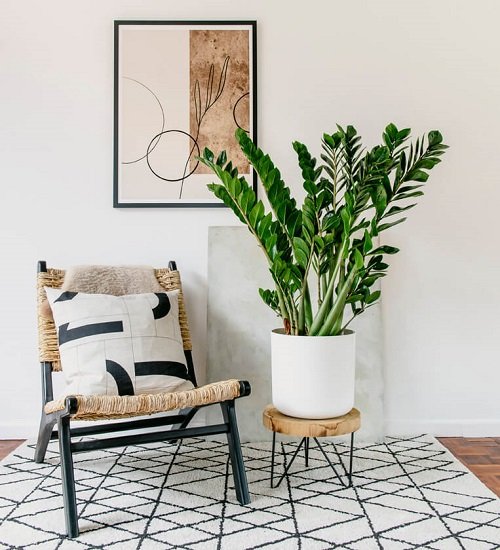
The ZZ plant, Zamioculcas zamiifolia, has glossy leaflets and thick underground rhizomes that help it store water. This makes it a useful option for people who sometimes forget to water their plants. Its slow growth also means it usually does not need frequent pruning.
Place it in indirect light, from moderate to lower levels, and water only after the potting mix has dried well. Do not treat its tolerance for low light as permission to place it in a windowless room. The ZZ plant is toxic if chewed or swallowed, so keep it away from pets and young children who may put plant parts in their mouths.
Light
Moderate to low indirect light, with better growth in brighter indirect conditions.
Water
Allow the mix to dry well before watering again.
Golden Pothos
Golden pothos, Epipremnum aureum, is known for its trailing stems and heart-shaped leaves. It grows well in many homes and can be trimmed to control its length. A shelf near a bright window with filtered light can provide a good growing spot.
Let the upper portion of the potting mix dry before watering, then water thoroughly and drain the pot. Leaves may lose color or become smaller when light is too weak. Pothos is toxic if chewed or swallowed, so choose another plant if pets or children are likely to nibble it.
Light
Bright indirect light is ideal for strong growth and attractive leaf patterns; lower light may be tolerated.
Water
Water when the upper part of the mix has dried, adjusting for room conditions.
Spider Plant
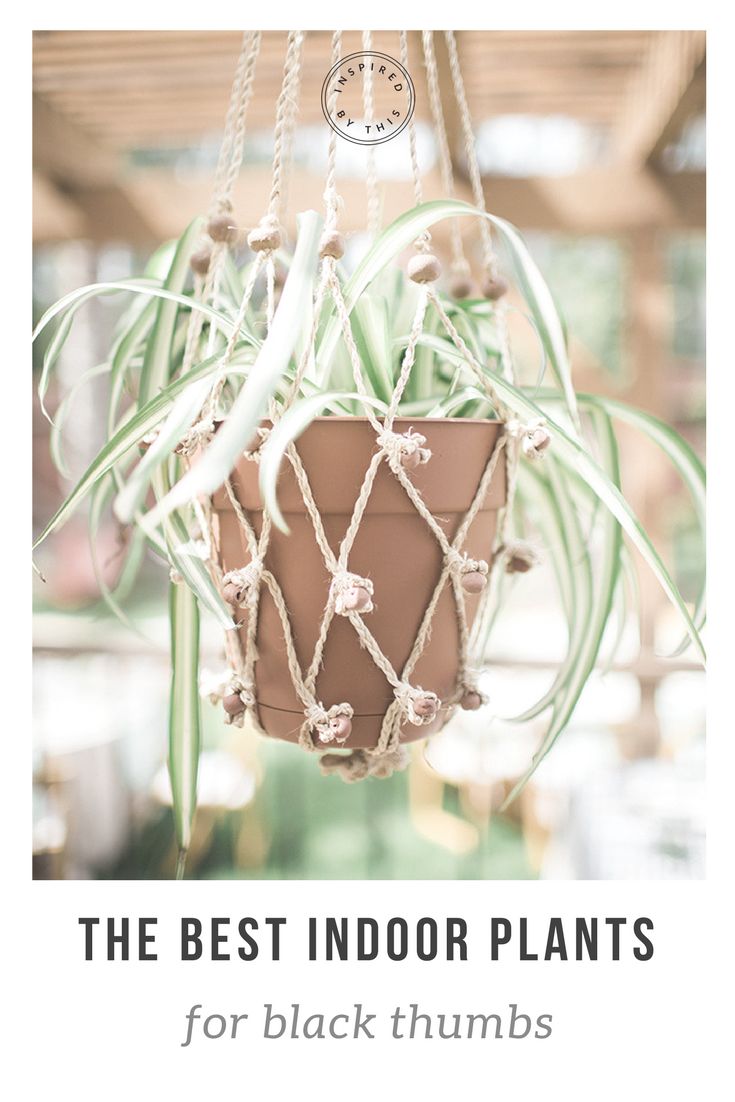
The spider plant, Chlorophytum comosum, has arching leaves that look good in hanging baskets and on raised shelves. Mature plants may produce long stems with small plantlets. These can be rooted in their own pots if you want more plants without buying new ones.
Spider plants usually do well in bright indirect light and can tolerate some lower-light conditions. Water when the upper layer of soil begins to dry, and avoid leaving the roots in soggy mix. They are generally considered nontoxic to cats and dogs, although chewing the leaves can still upset a pet’s stomach.
Light
Bright indirect light, with some tolerance for lower light.
Water
Water after the top layer of soil dries, and allow excess water to drain.
More Hardy Houseplants Worth Considering
If the first five plants do not suit your home, there are other choices worth considering. Some handle dry spells well, while others tolerate lower light or need little shaping. No single plant wins in every room, so use the conditions in your home to narrow the list.
Succulents and cacti are often sold as easy-care plants, but they are not always the best choice for a dim apartment. Many need several hours of strong light to stay compact and healthy. A tough plant in the wrong spot can still struggle.
Source: balconygardenweb.com
Cast Iron Plant
Aspidistra elatior is valued for its broad leaves and tolerance of lower indoor light. Let the upper soil layer dry somewhat before watering, and avoid constantly wet soil.
Jade Plant
Crassula ovata stores water in its thick leaves and prefers a bright location. It is better suited to a sunny room than a dark hallway, and it is toxic to cats and dogs.
Aloe Vera
Aloe stores water in its fleshy leaves and prefers bright light with a well-draining mix. It can struggle in dim rooms, and aloe is toxic to cats and dogs if eaten.
Ponytail Palm
Beaucarnea recurvata stores water in its swollen base and prefers bright light. It is slow-growing and generally considered nontoxic to cats and dogs, though the narrow leaves may be rough on sensitive mouths.
Peperomia
Many Peperomia species stay compact and suit desks or shelves. Their care varies by species, but many prefer indirect light and a mix that is not kept constantly wet.
Heartleaf Philodendron
Philodendron hederaceum has trailing stems and can adapt to a range of indoor light levels. It needs a chance to dry somewhat between waterings and is toxic if chewed or swallowed.
Are Cacti and Succulents Really Easy?
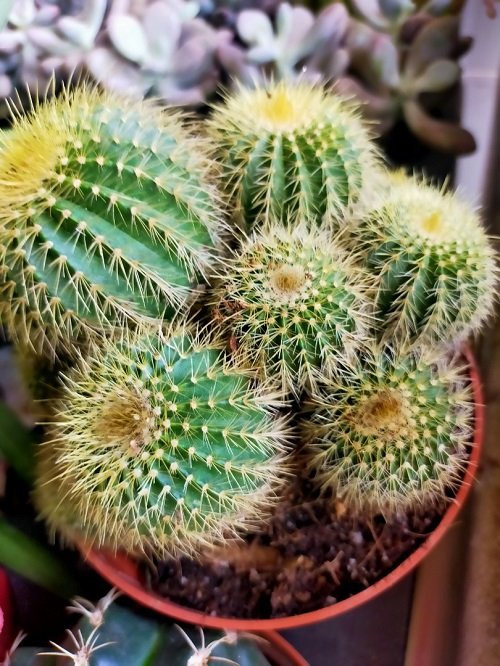
Cacti and many succulents are forgiving when it comes to missed watering, but they often need more light than beginners expect. A sunny south- or west-facing window in a U.S. home may provide a better setting than a shaded north-facing window, although window direction, nearby buildings, season, and glass all affect the light reaching the plant.
Choose a cactus or succulent if you have a bright spot and can resist watering too often. Use a gritty mix suited to the plant and a pot with drainage. If your home is dim, a snake plant or ZZ plant is usually a more practical starting point.
Good fit
A bright window, free-draining soil, and a watering routine based on soil dryness.
Poor fit
A dark room, heavy soil that stays wet, or frequent small drinks of water.
How to Choose the Right Plant for Your Home
Start by looking at the spot where you want the plant to live. Check how much daylight reaches it, how close it is to a window, and whether air from a vent blows directly onto the leaves. These details can matter more than the size or style of the plant.
Next, think about your routine. A person who travels often may prefer a ZZ plant or snake plant, while someone who enjoys light pruning may like pothos. If you have curious pets, plant toxicity should be part of the choice from the start rather than an afterthought.
Use the comparison below to narrow your options. Light and watering needs are approximate because room conditions, pot size, season, and soil type affect how quickly the mix dries.
Source: farmfoodfamily.com
For a dim apartment
Try a ZZ plant, snake plant, or cast iron plant, but place it where it still receives usable natural light.
For a sunny windowsill
Consider aloe, jade, or a suitable cactus if you can provide strong light and fast drainage.
For a hanging basket
Pothos and spider plants provide trailing or arching foliage, but check their suitability for pets.
For a pet-friendly home
Consider a spider plant or ponytail palm, and verify the exact plant species before purchase.
Quick Comparison of Beginner-Friendly Plants
This table compares common houseplants by their main practical advantage and an important limit. Use it as a starting point, then check the care needs of the exact species and variety you buy.
Snake plant
Best for infrequent watering and compact upright growth. Tolerates lower light, but growth slows in dim conditions. Toxic to cats and dogs.
ZZ plant
Best for slow growth and missed watering. Needs a drying period between waterings. Toxic if chewed or swallowed.
Pothos
Best for trailing stems and easy trimming. Needs indirect light and periodic watering. Toxic if chewed or swallowed.
Spider plant
Best for arching leaves and producing plantlets. Prefers indirect light and evenly timed watering based on soil dryness. Generally considered nontoxic to cats and dogs.
Cast iron plant
Best for slow growth and lower-light rooms. Still needs suitable moisture and drainage. Generally considered nontoxic to cats and dogs.
Aloe vera
Best for a bright windowsill and dry conditions between waterings. Performs poorly in dim rooms. Toxic to cats and dogs.
Ponytail palm
Best for bright rooms and a forgiving watering routine. Needs good drainage and can grow slowly. Generally considered nontoxic to cats and dogs.
Simple Care Rules That Keep Hardy Plants Alive
A small number of consistent habits can prevent many common plant problems. You do not need expensive tools or a complicated calendar. Learn how your plant responds to light and water, then make small changes when its condition calls for them.
For beginners, the safest routine is to check the plant before taking action. Watering because it is Sunday, adding fertilizer because a leaf turned yellow, or moving a plant into direct sun without a gradual change can create more trouble than it solves.
Source: artofit.org
Use a pot with drainage
Drainage holes let excess water escape. If you use a decorative outer pot, remove the nursery pot for watering or empty the outer pot after the water drains.
Choose the right potting mix
Use a loose mix suited to the plant. Cacti and many succulents need faster drainage than plants that prefer more even moisture.
Keep the plant away from harsh drafts
Avoid placing plants directly beside heating vents, air-conditioning outlets, or doors that expose them to repeated cold or hot blasts.
Feed lightly during active growth
Use a suitable houseplant fertilizer according to its label when the plant is actively growing. Do not add extra fertilizer to a stressed plant or assume more food means faster recovery.
A Simple Watering Method
First, feel the soil rather than looking only at the surface. The top may appear dry while the soil below remains wet. For a small pot, a finger can help; for a deeper pot, a clean wooden stick can provide a better sense of moisture.
Second, check the plant’s needs. Snake plants and ZZ plants generally need a longer drying period than spider plants. If the mix is still wet and the plant is not showing a clear need for water, wait and check again later.
When it is time to water, wet the mix evenly until excess water runs from the drainage holes. Let the pot drain before putting it back in its cover pot or saucer. Avoid giving a tiny splash every day, because this may wet only part of the root zone.
Signs the plant may need water
Dry mix at the appropriate depth, a lighter pot, or leaves that are losing firmness. Interpret these signs according to the plant species.
Signs the plant may be too wet
Persistently wet soil, yellowing leaves, a sour smell, or soft, dark roots. Check drainage and root health before adding more water.
Give Plants Enough Light
Light is the energy source that allows plants to make sugars for growth. A plant may survive in a dim corner for some time without thriving there. Slow growth, pale leaves, and long, weak stems can signal that the plant needs more light.
Bright indirect light usually means a well-lit area where the plant receives daylight without prolonged harsh direct sun. A sheer curtain can soften strong sunlight. If you move a plant from a dark area to a sunny window, do so gradually to reduce the risk of leaf scorch.
In northern U.S. homes, winter daylight can be limited, especially near north-facing windows. In southern states, intense summer sun may heat windowsills and dry pots quickly. Adjust placement and watering to the actual conditions rather than assuming every home has the same climate.
Too little light
Growth may slow, leaf patterns may fade, and stems may stretch toward the nearest window.
Too much direct sun
Leaves may develop pale, dry, or brown patches, especially after a sudden move from shade.
Common Mistakes and How to Fix Them
When a plant looks unwell, resist the urge to change everything at once. Check the soil, light, drainage, and recent changes first. A plant can show similar symptoms for several reasons, so one yellow leaf does not always reveal the cause.
Begin with the least disruptive check. If the soil is soaked, do not add water just because the leaves droop. If the soil is bone dry and the plant normally prefers steady moisture, a thorough watering may help. If the problem continues, inspect the roots and leaves more closely.
Source: www.pinterest.com
Watering too often
Let the mix dry to the level appropriate for the species. Improve drainage and remove standing water. If roots are soft or foul-smelling, root damage may already be present.
Choosing a plant for looks alone
A plant that needs bright sun may struggle in a dark office. Choose according to light and care needs first, then consider its appearance.
Repotting too soon
A new plant may need time to adjust. Repot when the container or root condition calls for it, not simply because you brought it home.
Overusing fertilizer
Excess fertilizer can harm roots and cause leaf damage. Follow the label and avoid feeding a plant when the potting mix is extremely dry or the roots are already stressed.
Ignoring pests
Inspect leaf undersides and stem joints for small insects, webbing, sticky residue, or clusters of white material. Isolate an affected plant and identify the pest before choosing a treatment.
How to Read Common Warning Signs
Yellow leaves can result from excess moisture, low light, aging foliage, or other stress. Check the soil and the overall growth pattern before deciding what to change. If only one old lower leaf yellows while the rest of the plant looks healthy, it may be normal aging.
Brown leaf tips may relate to dry air, uneven watering, fertilizer buildup, or water quality. Trim only the damaged parts with clean scissors if you want a neater appearance, but address the likely cause to prevent new damage.
Soft stems, a foul soil smell, or blackened roots suggest a more serious moisture problem. Remove the plant from standing water and inspect the roots if needed. Healthy roots are generally firm, while rotting roots may be soft and discolored. Severely damaged plants may not recover.
Yellow leaves
Check soil moisture, drainage, light, and whether the affected leaf is old.
Crisp brown edges
Review watering consistency, room dryness, direct sun, and fertilizer use.
Drooping leaves
Check whether the root zone is too dry or too wet before watering.
Sticky leaves or fine webbing
Inspect for pests, separate the plant from others, and use a treatment labeled for the identified pest and plant.
Pet Safety and Indoor Plant Placement
If you share your home with a cat or dog, check plant toxicity before buying. Some of the easiest houseplants to grow, including pothos, snake plants, ZZ plants, and philodendrons, can harm pets if chewed or swallowed. A high shelf may not be enough for a cat that climbs or a dog that knocks over pots.
Spider plants and ponytail palms are commonly listed as nontoxic to cats and dogs. Even so, chewing any plant can cause stomach upset, and fertilizers or pest treatments can pose separate risks. Confirm the exact species and keep soil amendments and treatments away from pets and children.
For homes with young children, avoid placing heavy pots on unstable stands. Keep sharp cactus spines away from play areas, and prevent access to decorative stones that could be swallowed. Safe placement matters just as much as choosing a hardy plant.
Source: homiful.com
Check the exact species
Common names can refer to different plants. Use a reliable plant identification or poison-safety resource to confirm the species before bringing it home.
Keep treatment products secure
Store fertilizers, pesticides, and rooting products in their original containers and follow all label directions.
Act quickly after suspected ingestion
Contact a veterinarian or an appropriate poison service if a pet may have eaten a toxic plant. Do not induce vomiting unless a qualified professional tells you to do so.
Are Indoor Plants Safe for Bedrooms?
Many common houseplants can live in bedrooms if the room has suitable light and airflow. There is no need to avoid all bedroom plants because of normal nighttime respiration. A plant is not a substitute for ventilation, and claims that a few pots can clean all the air in a room should not guide your purchase.
Choose a compact plant that fits the window and will not spill water onto furniture. If the room is very dark, use a suitable grow light or select a different location. Keep plants and standing water away from areas where they could create a tripping or spill hazard.
Good bedroom choices
A snake plant or ZZ plant can suit a bedroom with indirect light, provided the plant is kept out of reach of pets and children.
A practical limit
No plant can make a room with poor ventilation or a persistent moisture problem safe by itself.
A Simple First-Month Plan for New Plant Owners
Your first month with a houseplant should focus on learning, not constant changes. Start with one hardy plant, find a suitable location, and watch how quickly its potting mix dries. A simple record can help you recognize patterns without turning plant care into a chore.
New plants may need time to adjust to a different room. Avoid moving them from shade to intense sun, repotting without a clear reason, and applying fertilizer immediately after purchase. Stable conditions make it easier to spot the real cause if something goes wrong.
Source: homiful.com
Week 1: Choose and observe
Check the leaves, soil, and pot. Place the plant in suitable light and look for signs of pests before setting it near other houseplants.
Week 2: Learn the soil pattern
Check the potting mix at regular intervals. Record when it begins to dry and how the plant looks, but water only when its needs call for it.
Week 3: Review light and growth
Look for firm leaves and stable growth. If stems stretch or the plant seems weak, consider whether it needs a brighter location.
Week 4: Keep what works
Use what you have learned to set a flexible reminder to check the plant. Do not water automatically when the reminder sounds.
When Should You Repot?
Repotting is not a monthly task. A plant may need a larger container when roots fill the pot, growth slows despite suitable care, or the mix breaks down and drains poorly. Some slow-growing plants can remain in the same pot for a long time.
When repotting is needed, choose a container only modestly larger than the root ball and make sure it has drainage holes. A pot that is far too large holds more wet soil than the roots can use quickly, which can increase the risk of root problems.
Signs repotting may help
Roots densely circle the root ball, water passes through unusually quickly because the pot is crowded with roots, or the growing mix has deteriorated.
Signs you can wait
The plant has healthy foliage, the mix drains properly, and there is no clear evidence that the roots have outgrown the container.
Frequently Asked Questions
Q
What is the easiest indoor plant to keep alive?
A snake plant or ZZ plant is a strong choice for someone who often forgets to water. Both can tolerate some lower-light conditions and prefer the potting mix to dry between waterings. Neither can survive indefinitely without light, drainage, or suitable care.
Q
Which indoor plants need the least water?
Snake plants, ZZ plants, aloe vera, jade plants, and many cacti can go longer between waterings than moisture-loving houseplants. Their needs still depend on light, pot size, temperature, and soil. Aloe, jade, and most cacti need brighter light than many indoor rooms provide.
Q
Can indoor plants survive without natural light?
Plants cannot grow indefinitely without a usable light source. Some tolerate lower light, but a windowless room usually needs an appropriate grow light for long-term growth. Ordinary room lighting is not always strong enough to meet a plant’s needs.
Q
How often should I water a houseplant?
There is no single watering schedule for all houseplants. Check the soil and water when it has dried to the depth suited to that plant. A snake plant may need water far less often than a spider plant in the same home.
Q
What is the best indoor plant for a dark apartment?
A ZZ plant, snake plant, or cast iron plant may tolerate lower light better than many houseplants. However, a dark apartment still needs a usable source of light for healthy growth. Move the plant closer to a window or use a suitable grow light if growth becomes weak.
Q
Which houseplants are safe for cats and dogs?
Spider plants and ponytail palms are commonly considered nontoxic to cats and dogs. Snake plants, pothos, ZZ plants, aloe vera, jade plants, and philodendrons can be harmful if eaten. Verify the exact plant species and consult a veterinarian if your pet chews a potentially toxic plant.
Q
Why are my plant’s leaves turning yellow?
Yellow leaves can result from overwatering, underwatering, insufficient light, normal aging, or other stress. Check the soil moisture and drainage first, then review the plant’s light and recent care changes. If the soil stays wet and the roots are soft or smell bad, root rot may be involved.
Q
Should I mist my indoor plants?
Most common houseplants do not need routine misting to stay healthy. The moisture from misting is brief and may not raise room humidity for long. Water the soil as needed, maintain suitable airflow, and use a proper humidifier if a plant truly needs higher humidity.
✦ Wrapping Up
Conclusion
Having a black thumb does not mean you cannot enjoy indoor plants. Snake plants, ZZ plants, pothos, spider plants, and cast iron plants offer practical starting points for people who want greenery without a demanding care routine. The best option is the one that matches your room’s light, your watering habits, and your household’s safety needs.
Healthy houseplants depend on a few basic things: suitable light, the right amount of water, a pot that drains well, and time to adjust. Watch the soil rather than the calendar, avoid making several changes at once, and learn what the leaves are telling you. Small, steady habits can make plant care far less stressful.
💡 Key Takeaway
Start with one snake plant or ZZ plant in a spot with usable indirect light. Choose a pot with drainage holes, check the soil before watering, and observe the plant for a month before adding more houseplants.
I enjoy sharing simple gardening ideas, lawn care tips, and honest product reviews that help make outdoor work easier. From home gardening guides to helpful tools and lawn care advice, I write easy-to-follow content to help readers create a healthier and better-looking outdoor space without wasting time or money.