As an Amazon Associate, I earn from qualifying purchases.
Perennials are plants that live for more than two years and grow again each season. Popular perennial flowers include coneflowers, black-eyed Susans, daylilies, hostas, peonies, garden phlox, and bee balm. Choose plants suited to your USDA hardiness zone, soil, sunlight, and local weather for the best results.
Across the United States, a flower garden can face hot Southern summers, cold Midwestern winters, dry Western conditions, or damp weather in the Northeast. Many gardeners want flowers that return without buying and planting new ones every spring. Perennials can help meet that goal because their roots, crowns, bulbs, or other living structures survive from one growing season to the next.
Unlike annuals, which usually complete their life cycle in one growing season, perennial plants can live for several years. Some die back to the ground in winter and send up fresh shoots in spring. Others keep their leaves through much of the year in mild climates. Their flowers may last only a few weeks, but the plants themselves can return for many seasons when growing conditions suit them.
The best perennial for one yard may struggle in another. A lavender plant that thrives in a sunny, well-drained California garden may suffer in heavy, wet soil. A hosta that grows well beneath trees in a Pennsylvania yard may struggle in the intense afternoon sun of a Texas summer. Matching each plant to its growing conditions is the key to a garden that returns year after year.
Perennials are plants that live for more than two years. Many herbaceous perennials grow leaves and flowers during the growing season, then become dormant during winter. Their roots and crowns remain alive underground and produce new growth when conditions improve.
Other perennials, including many evergreen ground covers and shrubs, keep some foliage through winter. Some flowering perennials grow from bulbs, rhizomes, or tubers. These structures store energy that helps the plant grow again when the next suitable season arrives.
A perennial does not always return forever. Its life span depends on the species, variety, climate, soil, disease pressure, and care. Some plants spread for decades, while others live for only a few years before they weaken or need replacement.
Source: i.pinimg.com
Herbaceous perennials
These plants often die back above ground during winter. Coneflowers, hostas, peonies, and many garden phlox varieties are common examples.
Evergreen or semi-evergreen perennials
These plants retain some leaves in suitable climates. Certain types of hellebore, sedum, and ground cover may remain partly green through winter.
Bulbous and rhizomatous perennials
These plants grow from underground storage structures. Bearded irises and many daylilies return from rhizomes or fleshy roots, while daffodils grow from bulbs.
Perennials Versus Annuals and Biennials
Annuals usually grow, flower, produce seed, and die within one growing season. Zinnias and marigolds are common examples. Biennials generally grow leaves in their first year and flower in their second year before completing their life cycle.
Perennials follow a different pattern because the plant survives beyond a single growing season. However, some short-lived perennials may not live much longer than a few years, and some annuals can reseed themselves. Self-seeding does not make an annual plant a true perennial.
Choose annuals
Use them when you want fast color, flexible seasonal displays, or flowers that are easy to change each year.
Choose perennials
Use them when you want a lasting garden framework that can return with seasonal care.
15 Perennials That Come Back Every Year
The following flowers offer a range of bloom colors, heights, and growing needs. Many perform well in suitable parts of the United States, but their hardiness and heat tolerance vary. Check the plant label for the exact species or cultivar before planting.
For a balanced garden, combine plants that flower at different times. Early bloomers can welcome spring, summer flowers can carry the main display, and late-season plants can provide color when many other flowers begin to fade.
Source: i.pinimg.com
1. Purple Coneflower
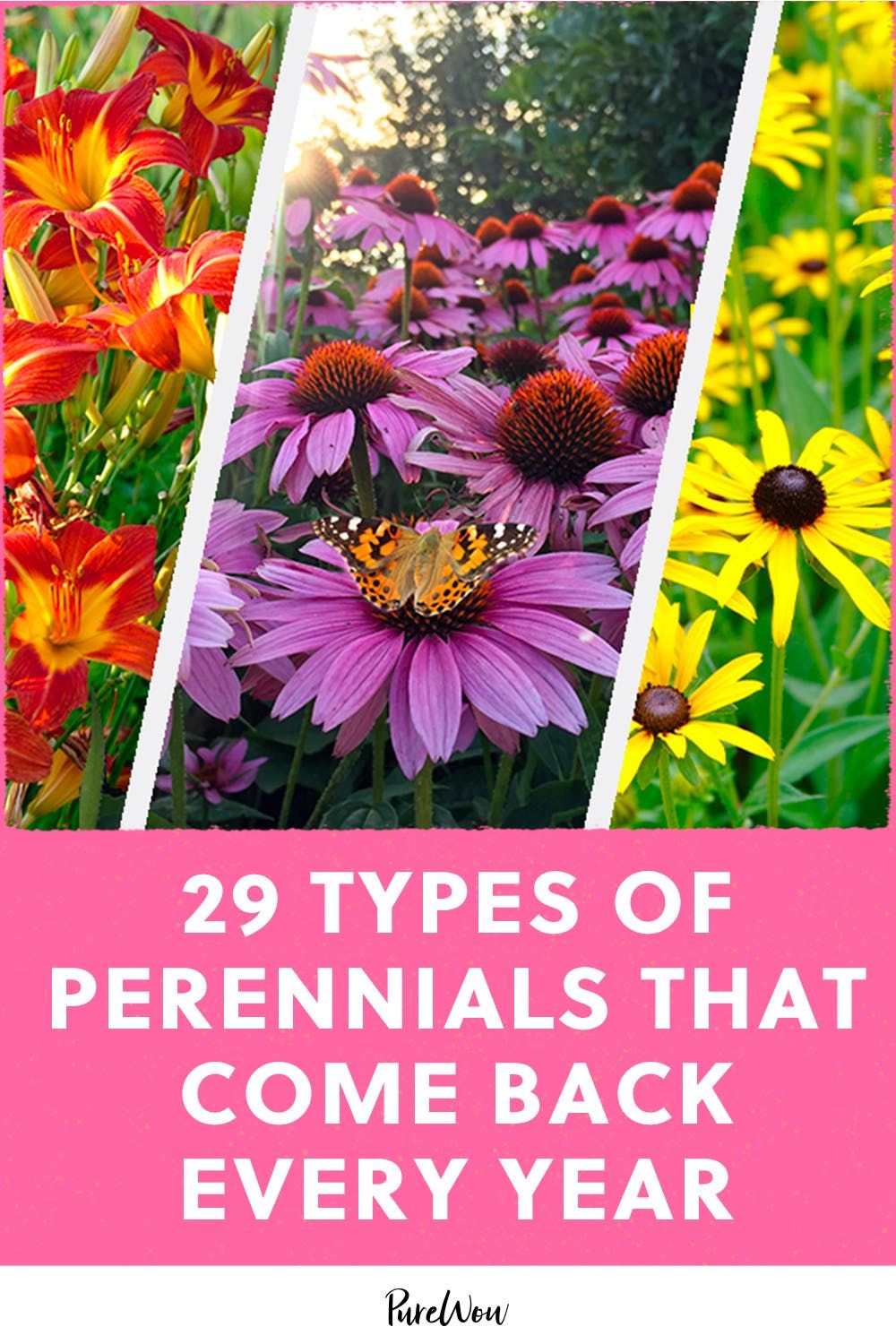
Purple coneflower, commonly sold as Echinacea purpurea, has pink-purple petals around a raised central cone. It generally grows well in full sun and well-drained soil, and established plants can handle some dry weather. Its flowers attract bees and butterflies, while the seed heads can feed birds. Many varieties suit USDA Zones 3 through 9, although the exact range depends on the cultivar and local conditions.
2. Black-Eyed Susan
Black-eyed Susan has golden-yellow petals and a dark center. Rudbeckia fulgida is a popular perennial species for sunny borders and prairie-style plantings. It tolerates a range of soils once established and can spread into a broad patch. Some Rudbeckia species and cultivars are annual or biennial, so check the plant label if you want a reliable perennial.
3. Daylily
Daylilies produce clusters of trumpet-shaped flowers above arching leaves. Each flower usually lasts about a day, but a healthy plant can produce many buds over a longer bloom period. They grow in many regions, tolerate a range of soils, and often need little care once established. Bloom time, mature size, and winter hardiness vary by cultivar.
4. Hosta
Hostas are valued mainly for their broad leaves, which come in shades of green, blue-green, gold, and variegated patterns. They are useful in shaded gardens, especially where soil stays evenly moist but drains well. Many hostas return reliably in cold-winter regions. They usually flower in summer, but their main appeal is their foliage. Deer and slugs may damage the leaves.
5. Peony
Peonies produce large, showy flowers in spring or early summer. Established plants can live for many years and often need little disturbance. They generally prefer full sun, fertile soil, and good drainage. Plant the eyes of herbaceous peonies at the correct depth because planting them too deeply can reduce flowering. In warm climates, select varieties suited to the local winter chill.
6. Garden Phlox
Garden phlox produces clusters of flowers in pink, purple, white, and other shades, often in midsummer. It prefers sun to light shade and soil that does not dry out for long periods. Good air circulation can help reduce powdery mildew, a common problem on susceptible varieties. Choose resistant cultivars where possible and avoid crowding plants.
7. Bee Balm
Bee balm, also called Monarda, has colorful flowers that attract bees, butterflies, and hummingbirds. It grows well in many sunny gardens with moist, well-drained soil. Some varieties spread through underground stems, so give them room or divide them when needed. Powdery mildew can affect the leaves, particularly in humid weather or crowded beds.
8. Russian Sage
Russian sage, now often listed under the botanical name Salvia yangii, has airy blue-purple flowers and fragrant, silvery foliage. It favors full sun and well-drained soil and is useful in dry, sunny borders. Once established, it can tolerate periods of drought, but wet winter soil may damage its roots. Check the selected variety’s hardiness, as cultivar names and growth habits differ.
9. Sedum
Upright sedums, including many Hylotelephium varieties still sold under the name Sedum, have fleshy leaves and clusters of late-summer or fall flowers. They generally prefer full sun and well-drained soil. Their sturdy stems can provide structure after the flowers fade, and seed heads may remain attractive through winter. Low-growing sedums also make useful ground covers, but their needs differ from taller types.
10. Catmint
Catmint, especially Nepeta x faassenii, produces soft gray-green foliage and long-lasting spikes of blue or purple flowers. It grows well in sunny beds with good drainage and often tolerates dry spells after establishment. Trimming the plant after its first strong flush of flowers may encourage fresh growth and more blooms. Avoid waterlogged soil, which can weaken the roots.
11. Salvia
Many perennial salvias produce upright flower spikes in shades of blue, purple, pink, or red. They are useful for sunny borders and pollinator gardens. Hardiness varies widely by species, so do not assume every salvia will survive the same winter temperatures. Choose a variety suited to your zone and trim spent flower spikes when you want to encourage another flush.
12. Bleeding Heart
Common bleeding heart, Lamprocapnos spectabilis, has heart-shaped flowers that hang from arching stems in spring. It prefers cool conditions, rich soil, and partial to full shade. In hot summers, its foliage may yellow and die back naturally after flowering. Mark the planting spot so you do not disturb the roots while the plant rests.
13. Hellebore
Hellebores often bloom in late winter or early spring, depending on the climate and species. Their nodding flowers and evergreen or semi-evergreen leaves can provide interest when many other plants are dormant. They usually prefer partial shade and well-drained soil. Many are hardy in a range of temperate climates, but the exact species and cultivar determine the suitable conditions.
14. Coreopsis
Perennial coreopsis can produce cheerful yellow, gold, or pink flowers over a long summer period. Many varieties prefer full sun and well-drained soil. Removing spent blooms may encourage more flowers, though some cultivars produce seed heads that gardeners may wish to leave for wildlife. Hardiness and drought tolerance vary among species and cultivars.
15. Hardy Geranium
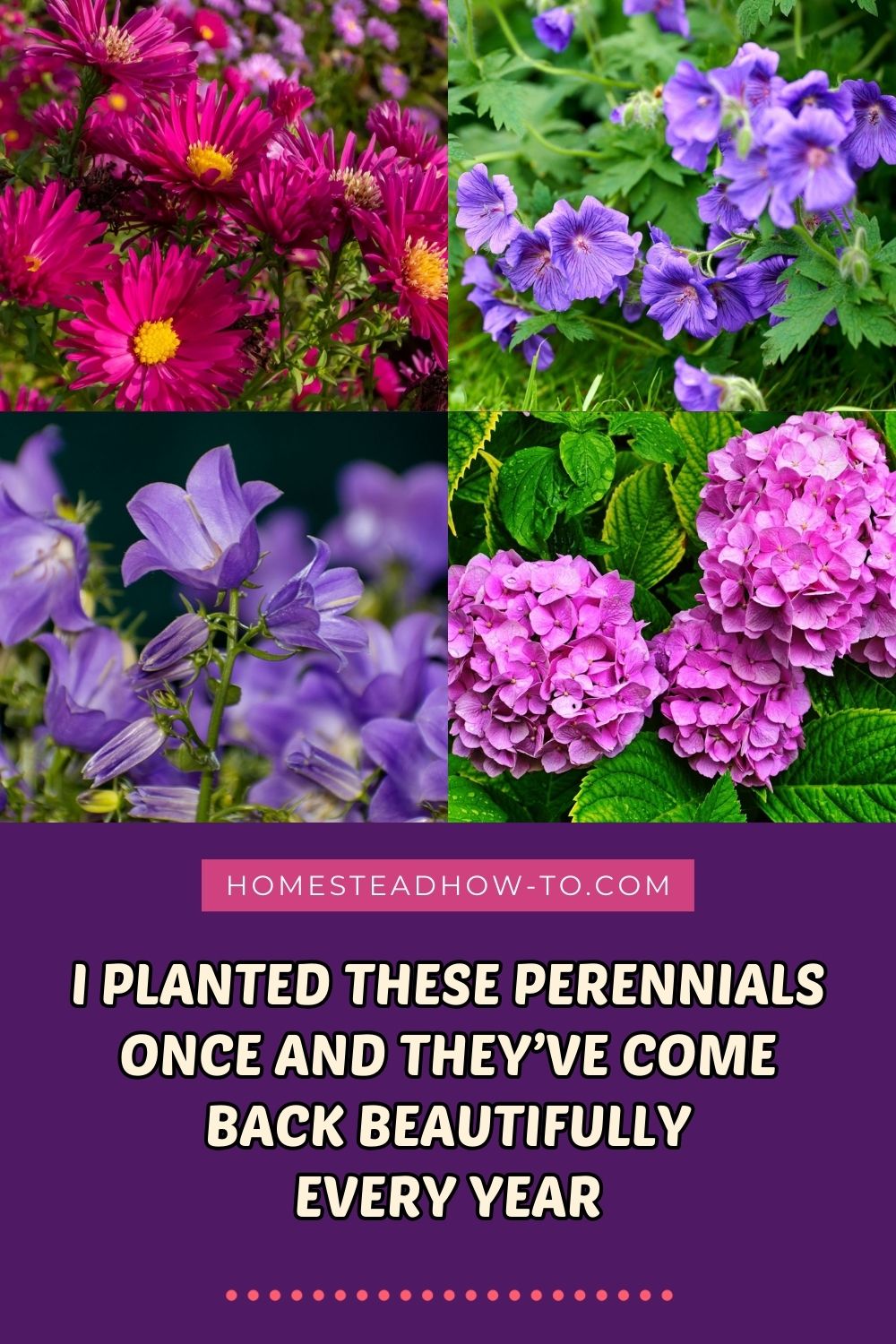
Hardy geraniums, often called cranesbills, form clumps or spreading mats of foliage with small flowers in shades of pink, purple, blue, or white. They can work well as border plants or ground covers. Many prefer sun to partial shade and soil with reasonable drainage. Do not confuse them with common annual bedding geraniums, which are usually Pelargonium species.
Which Perennials Bloom for the Longest Time?
Some perennials flower for several weeks, while others produce new blooms over much of the growing season. Catmint, many perennial salvias, and certain coreopsis varieties can offer a long display when they receive enough sunlight and suitable care. Daylilies may also have a long overall bloom period when several varieties with different flowering times are planted together.
A long bloom period depends on the cultivar, weather, water, and growing conditions. A plant described as a repeat bloomer may produce several waves of flowers rather than bloom without a break. Read the plant label carefully instead of relying on the species name alone.
For sunny borders
Consider catmint, perennial salvia, coreopsis, and suitable coneflowers.
For shaded areas
Use hostas for foliage and consider hellebores or bleeding heart for seasonal flowers.
For late-season interest
Choose suitable sedums, late-flowering salvias, and coneflower cultivars that continue blooming into late summer.
How to Choose Perennials for Your US Hardiness Zone
The best way to choose reliable perennials is to match the plant to your winter climate, summer weather, and garden conditions. The USDA Plant Hardiness Zone Map helps gardeners estimate which plants can survive the average annual extreme minimum winter temperature in a given location. It is a useful starting point, but it does not measure every factor that affects plant growth.
A plant may survive winter in your zone and still struggle because of extreme summer heat, poor drainage, humidity, wind, or a lack of sunlight. Local rainfall and soil type also matter. Check the specific plant label and seek advice from a local cooperative extension office or public garden when a plant’s needs are unclear.
Source: i.pinimg.com
Check winter hardiness
Choose plants rated for your zone or a colder winter than your yard typically experiences. A plant’s listed zone range is not a guarantee of success in every location.
Account for summer heat
Gardeners in Texas, Florida, Arizona, and other hot areas should look for plants that tolerate local heat and humidity, not only winter temperatures.
Match the sunlight
Full-sun plants generally need at least six hours of direct sunlight per day, although labels can vary. Partial-shade plants may need protection from harsh afternoon sun.
Check soil drainage
Plants such as Russian sage and many sedums dislike prolonged wet soil. Hostas and bee balm prefer more consistent moisture but still benefit from suitable drainage.
Consider local wildlife
Deer may browse hostas and other soft foliage. Rabbits can damage young shoots, while slugs may feed on hosta leaves. Use plant selection and suitable protection to reduce damage.
Perennials for Cold-Winter Gardens
In much of the northern United States and colder parts of the Midwest, choose hardy varieties of peony, coneflower, black-eyed Susan, hosta, and daylily. These plants can survive cold winters when the variety is suited to the site and the roots are not damaged by poor drainage.
Apply mulch after the soil cools if winter temperature swings or repeated freeze-thaw cycles are a concern. Avoid piling thick mulch directly over plant crowns, because trapped moisture can encourage rot.
Useful choices
Consider hardy coneflowers, peonies, daylilies, and hostas after checking the selected variety’s zone range.
Perennials for Hot Southern Gardens
In the South, heat and humidity can be as challenging as winter cold. Select varieties that tolerate the local summer climate, and pay close attention to soil drainage. A perennial that survives a mild winter may still struggle when exposed to long periods of heat or humid nights.
Provide suitable watering during establishment, but do not keep drought-tolerant plants constantly wet. In humid areas, allow enough space between plants for air to move around the foliage.
Useful choices
Explore locally recommended coneflowers, daylilies, coreopsis, and heat-tolerant perennial salvias.
Perennials for Dry Western Gardens
In drier parts of the West, water needs and soil drainage should guide plant selection. Russian sage, suitable sedums, and some salvias can work well in sunny beds once their roots become established. Native and regionally adapted plants may offer added benefits because they are suited to local rainfall patterns.
Drought tolerance does not mean a plant needs no water. New plants need regular moisture while roots spread into surrounding soil. Even established drought-tolerant plants may need watering during unusually long dry periods.
Useful choices
Consider regionally suitable salvias, sedums, and other drought-tolerant perennials recommended for your local climate.
When and How to Plant Perennials
Planting at the right time gives perennial roots a better chance to settle in before harsh weather arrives. In many parts of the United States, spring and early fall are good planting seasons. Spring planting gives roots time to grow before winter, while early fall planting can allow roots to establish before the ground freezes.
Local conditions can change the best timing. In hot regions, planting during the cooler part of the year may reduce heat stress. In cold regions, avoid planting so late in fall that roots have little time to establish. Follow the nursery’s directions for the exact plant.
Source: eadn-wc04-208868.nxedge.io
1. Choose the right site
Check the plant’s mature height, width, sunlight needs, and moisture needs. Place tall plants where they will not block shorter flowers, and leave room for clumps to grow.
2. Prepare the soil
Remove weeds and loosen the soil around the planting area. Add compost when needed to improve soil structure, but avoid adding large amounts of fertilizer without a reason. Do not create a small pocket of highly amended soil surrounded by very different soil.
3. Dig a suitable hole
Make the hole wide enough to spread the roots without bending them. Set the plant at the depth recommended on its label. Most container-grown perennials should sit at roughly the same soil level as they did in the pot, while specific plants such as peonies need special attention to planting depth.
4. Backfill and water
Fill around the roots with the soil you removed, gently firm the surface, and water thoroughly. Water helps settle soil around the roots and reduces large air gaps.
5. Add mulch
Apply a moderate layer of organic mulch to help conserve moisture and reduce weeds. Keep mulch away from stems and crowns to lower the risk of rot and pest damage.
6. Monitor the plant
Check soil moisture regularly during the first growing season. Water deeply when the root zone begins to dry, adjusting for rainfall, soil type, heat, and plant needs.
How Much Space Do Perennials Need?
Spacing depends on a plant’s mature width, not the size of the young plant at purchase. A small pot of bee balm may grow into a broad clump, while a compact salvia cultivar may stay relatively narrow. The plant tag usually gives an estimated mature spread.
Crowding can reduce airflow, increase disease pressure, and force plants to compete for water and nutrients. Leaving enough room may make the garden look sparse at first, but the plants will fill the space as they mature.
Use mature spread
Space plants according to the width listed on the label and adjust for your intended garden style.
Plan for spreading plants
Give bee balm and other spreading perennials room to grow, or plan to divide them when they become crowded.
How to Care for Perennials So They Return Each Year
Most established perennials need less attention than a newly planted bed, but they still need care that matches their growth habits. Water, sunlight, soil drainage, pruning, and winter protection all affect whether a plant returns in good condition. The goal is to support healthy roots without forcing unnecessary growth.
Do not follow the same watering or pruning schedule for every plant. A sedum in a sunny, dry border has different needs from a hosta beneath a tree. Observe the soil and plant before deciding what to do.
Source: happydiyhome.com
Water when needed
Newly planted perennials need consistent moisture while their roots establish. Established plants may need less frequent watering, but rainfall, heat, soil texture, and species needs should guide the schedule.
Use fertilizer with care
Many perennials grow well in reasonably fertile soil without heavy feeding. If growth is weak, check sunlight, drainage, and soil conditions before adding fertilizer. Excess nitrogen can encourage leaves at the expense of flowers in some plants.
Remove spent flowers when useful
Deadheading can tidy a plant and sometimes encourage additional blooms. Leave seed heads when you want to provide food for birds or allow the plant to self-seed.
Divide crowded clumps
Some perennials become crowded as they mature. Dividing them can restore space and produce new plants, but not every species needs frequent division.
Watch for disease and pests
Inspect leaves and stems for unusual spots, powdery growth, holes, or wilting. Improve airflow and correct watering problems before using a pesticide, and identify the cause before treating it.
Should You Cut Perennials Back in Fall?
Some perennials benefit from fall cleanup, while others are best left standing through winter. Removing diseased foliage can help reduce sources of infection. Healthy stems and seed heads may provide winter shelter or food for wildlife, and they can add texture to the garden.
Avoid cutting back every plant automatically. Some plants have evergreen leaves, some hold their flower stems well, and some benefit from spring cleanup. Check the needs of each species and remove damaged growth when necessary.
Cut back when appropriate
Remove diseased or badly damaged foliage and follow the plant’s recommended seasonal pruning method.
Leave healthy seed heads when useful
Coneflower and sedum seed heads can provide winter interest and may offer food for birds.
Avoid burying crowns in mulch
Keep mulch away from the base of plants, especially where winter moisture can collect around crowns.
When Should You Divide Perennials?
Division is useful when a perennial becomes crowded, produces fewer flowers, or develops a weak center while healthy growth remains around the edges. Many clump-forming plants can be divided in spring or early fall, but timing depends on the species and local climate.
Dig up the clump carefully, separate healthy sections with roots and growing points, and replant them promptly at the correct depth. Water the divisions well while they establish. Avoid dividing a plant during severe heat or drought, and do not divide species that dislike root disturbance unless their care guidance allows it.
Possible signs of crowding
Flowering declines, the center becomes sparse, or the clump pushes into nearby plants.
Signs division may not be the answer
Yellow leaves, weak growth, or poor flowering may result from shade, wet soil, pests, or planting depth rather than crowding.
Perennials That Come Back Every Year With Less Work
Low-maintenance perennials are plants that suit the site well and need little extra care once established. They are not plants that can always be ignored. A well-matched perennial usually needs less intervention than one growing in unsuitable soil or climate.
For a lower-work garden, begin with a small group of reliable plants rather than buying many different species. Repeating a few suitable varieties can create a calm, connected look and make watering, pruning, and seasonal cleanup easier.
Hostas and hardy geraniums may work well where soil moisture and sunlight suit the selected variety. Hellebores can add seasonal interest in appropriate climates.
For pollinator gardens
Coneflowers, bee balm, perennial salvias, and black-eyed Susans can provide flowers and resources for pollinators when their bloom periods overlap with local activity.
For late-season color
Use suitable upright sedums, late-blooming salvias, and other regionally adapted late-season perennials.
Are Native Perennials Easier to Grow?
Native perennials can be especially useful because they evolved in local or regional ecosystems. When a native plant is matched to its natural soil, sunlight, and moisture conditions, it may need less supplemental water and can support local wildlife. However, native does not automatically mean suitable for every yard or completely maintenance-free.
Choose plants native to your region rather than relying on a broad label such as native to North America. A species native to a wet eastern woodland may not thrive in a dry Western garden. State native plant societies, botanical gardens, and cooperative extension services can help identify suitable options.
Check regional suitability
Confirm the plant’s natural range and habitat before planting it.
Avoid invasive choices
Check local invasive plant guidance and choose noninvasive alternatives where needed.
Why Your Perennials May Not Come Back
A perennial that fails to return may have died, but it may also be dormant or slow to emerge. Before removing the planting spot, check the normal growth schedule for the species and consider recent weather. Some plants emerge later than others, particularly after a cold spring.
If the plant does not return when expected, look for root damage, excessive moisture, winter injury, or signs of disease. Correct the underlying problem before replacing the plant, or the same issue may affect the next one.
Source: i.pinimg.com
The soil stays wet
Poor drainage can cause roots or crowns to rot. Improve drainage where possible or move the plant to a better site suited to its needs.
The plant is in the wrong zone
A tender variety may not survive winter temperatures in your area. Replace it with a hardier variety or provide suitable protection if practical.
Summer heat or drought damaged the roots
Young plants may not survive prolonged heat without adequate moisture. Water appropriately during establishment and use mulch to reduce moisture loss.
The plant was planted too deeply
Some perennials, including peonies, flower poorly when planted too deeply. Check species-specific planting instructions and correct the depth when appropriate.
Pests or disease weakened the plant
Root-feeding pests, crown rot, and other diseases can prevent regrowth. Inspect the plant and surrounding soil before deciding whether to treat or replace it.
The plant is naturally short-lived
Some perennial species decline after a few years. Replace them as needed or use self-seeding plants and suitable divisions to maintain the display.
How Can You Tell If a Perennial Is Dormant or Dead?
Dormant herbaceous perennials may have no visible leaves during winter, but their roots or crowns remain alive. Check the plant’s expected emergence time and compare it with other plants of the same kind in your area. A late start alone does not prove that a plant has died.
Look for firm, healthy tissue rather than soft, blackened, or foul-smelling crowns. If the plant is still within its normal emergence period, avoid digging it up too soon. When the usual growing season has passed and no healthy growth appears, investigate the roots and planting conditions.
Signs of dormancy
The plant is following its normal seasonal cycle, and the crown or roots remain firm and healthy.
Signs of possible death
The crown is extensively rotten, roots are severely damaged, or no shoots appear well beyond the plant’s usual emergence period.
How to Plan a Garden That Blooms From Spring to Fall
A garden with flowers across several seasons needs a mix of bloom times, heights, and growing habits. One perennial rarely provides flowers for the entire growing season, but a thoughtful combination can keep the bed interesting from early spring through fall.
Start by listing the plants that suit your climate and garden conditions. Then group them by approximate bloom time and mature size. Bloom periods vary with weather and location, so use local nursery labels as a guide rather than expecting exact dates.
Source: eadn-wc04-208868.nxedge.io
Spring
Hellebores and bleeding heart can provide early-season flowers in suitable climates and shaded locations. Peonies often follow as spring moves toward early summer.
Early to midsummer
Daylilies, perennial salvias, catmint, and some coreopsis varieties can bring color to sunny beds.
Midsummer
Coneflowers, black-eyed Susans, garden phlox, and bee balm can fill the garden with flowers when conditions suit them.
Late summer and fall
Upright sedums and suitable late-flowering salvias can extend interest as earlier blooms fade.
A Simple Example for a Sunny Flower Bed
Imagine a sunny border in a region where coneflowers, black-eyed Susans, catmint, and upright sedums grow reliably. Catmint may flower in late spring and early summer, coneflowers and black-eyed Susans can carry much of the summer display, and sedums can provide late-season color.
Place taller plants toward the back of a border viewed from one side. Put shorter plants near the front, and leave enough room for mature spread. In a bed viewed from all sides, place taller plants near the center and shorter plants around the edges.
Keep the plan flexible
Adjust the plant mix after observing how much sun, moisture, and space the bed receives during a full growing season.
Use repeated groups
Plant small groups of the same perennial to create a more connected look and simplify ongoing care.
Common Mistakes When Growing Perennials
Many perennial problems begin before the plant goes into the ground. A beautiful flower may look appealing at the nursery, but it can struggle if the yard is too shady, the soil stays wet, or the winter is too cold for its variety. A little planning can save money and prevent years of frustration.
Avoid treating every perennial as if it has the same needs. Observe how the plant responds to its site and make small, informed changes instead of applying more water, fertilizer, or pruning without checking the cause.
Source: happydiyhome.com
Choosing plants by flower color alone
Color matters, but sunlight, hardiness, mature size, and moisture needs determine whether the plant will thrive.
Watering too often
Frequent shallow watering can leave deeper roots dry, while constantly wet soil can cause root problems. Adjust watering to soil moisture and plant needs.
Planting too close together
Crowded foliage can reduce airflow and increase disease pressure. Follow mature spacing guidance.
Applying too much fertilizer
Excess nutrients may encourage weak or leafy growth without improving flowering. Use soil information and plant needs to guide feeding.
Cutting everything back in fall
Some plants provide winter habitat or have attractive seed heads. Clean up selectively, especially where disease or damaged growth is present.
Assuming every perennial lasts forever
Some perennials are short-lived, and others need division or replacement over time. Plan for normal changes as the garden matures.
Do Perennials Spread Too Much?
Some perennials spread slowly, while others expand quickly through underground stems or self-seeding. Bee balm and some other vigorous plants can occupy more space than expected. Research the mature spread and growth habit before planting them beside delicate or slower-growing flowers.
You can control many spreading plants by dividing clumps, removing unwanted seedlings, or growing them in a contained bed. If a species is invasive in your region, choose a suitable alternative rather than relying on regular pruning to control it.
Check growth habits
Look for labels such as clumping, spreading, self-seeding, or vigorous growth.
Plan maintenance early
Allow enough room for spreading plants and schedule division or cleanup when needed.
Frequently Asked Questions
Q
What flowers come back every year without replanting?
Coneflowers, black-eyed Susans, daylilies, peonies, hostas, garden phlox, and many hardy salvias are common perennial choices. They can return for several years when their climate, soil, sunlight, and water needs are met. Check the exact variety because not every plant sold under a broad common name has the same hardiness.
Q
What is the easiest perennial flower for beginners?
Coneflowers, daylilies, and suitable black-eyed Susan varieties are useful starting points for many sunny gardens. They generally need less attention after their roots establish than plants that require frequent pruning or special growing conditions. The easiest option depends on your climate, soil drainage, and available sunlight.
Q
Do perennials come back every year in every US state?
No. A perennial must be suited to the local climate and growing conditions to return reliably. A plant that survives winter in Minnesota may struggle in a hot, humid Florida garden, while a tender perennial may not survive a cold northern winter outdoors. Use the USDA hardiness zone as a starting point and check heat tolerance and local growing guidance too.
Q
When is the best time to plant perennials?
Spring and early fall are common planting times in many parts of the United States. Spring gives plants time to establish before winter, while early fall can provide cool weather and moist soil for root growth. The best time depends on the species, local climate, and how soon freezing weather or extreme heat is expected.
Q
Do perennial flowers need to be cut back every winter?
No. Some benefit from fall cleanup, while others are better left standing until spring. Remove diseased foliage when appropriate, and consider leaving healthy seed heads for birds and winter interest. Follow the needs of the individual plant rather than cutting the entire garden back on one schedule.
Q
Why do my perennials grow leaves but not flowers?
Common causes include too much shade, excess nitrogen, immature plants, unsuitable planting depth, overcrowding, or pruning at the wrong time. Peonies, for example, may flower poorly when planted too deeply. Check the plant’s light and care requirements before adding fertilizer or moving it.
Q
Can perennials grow in pots?
Yes. Many perennials grow well in containers if the pot has drainage holes and enough room for the roots. Choose plants that suit the container’s light conditions and mature size, and water more carefully because pots can dry out faster than garden soil. Container roots also experience greater temperature changes, so winter protection may be needed even when the plant is hardy in the ground.
✦ Wrapping Up
Conclusion
Perennials that come back every year can make a flower garden easier to maintain and more rewarding over time. Coneflowers, daylilies, black-eyed Susans, peonies, hostas, and many other perennials offer different colors, bloom times, and growing habits. The best choice is the one that suits your yard rather than the one with the most striking flowers at the nursery.
Start by checking your hardiness zone, sunlight, soil drainage, and local summer weather. Choose a few plants that fit those conditions, give them enough room, and water them well while they establish. With the right plant choices and seasonal care, your garden can return with fresh growth and flowers year after year.
💡 Key Takeaway
Before buying, write down your USDA hardiness zone, the number of hours of direct sunlight your garden receives, and whether the soil drains quickly or stays wet. Select three to five suitable perennials with different bloom times, then follow each plant’s recommended spacing, planting depth, and watering needs.
I enjoy sharing simple gardening ideas, lawn care tips, and honest product reviews that help make outdoor work easier. From home gardening guides to helpful tools and lawn care advice, I write easy-to-follow content to help readers create a healthier and better-looking outdoor space without wasting time or money.