
As an Amazon Associate, I earn from qualifying purchases.
Summer lawn care means watering deeply, mowing at the right height, avoiding excess fertilizer during extreme heat, and protecting grass from drought, weeds, pests, and disease.
Summer heat can turn a healthy lawn brown in just a few weeks. Caring for your lawn during the hottest months requires a different approach from spring and fall because high temperatures, drought, and heavy foot traffic can quickly stress grass. The right watering schedule, mowing height, and fertilizer plan can help your lawn stay healthier through the summer. The key is to work with your grass type and local weather instead of following the same routine.
1. Adjust Your Summer Lawn Care Routine
Good summer lawn maintenance starts with understanding how your grass responds to heat. Warm-season grasses such as Bermuda, Zoysia, St. Augustine, and Centipede grow actively during summer. Cool-season grasses such as Kentucky bluegrass, tall fescue, and perennial ryegrass may struggle during extreme heat.
Your lawn may also enter temporary dormancy during drought. Brown grass does not always mean dead grass. Some types can survive dry periods and recover when regular moisture returns.
Before changing your routine, identify your grass type and check local weather conditions. A lawn in humid Florida needs a different approach from one in dry Texas or the Pacific Northwest.
For practical summer lawn care tips, focus on these basics:
- Water deeply instead of lightly every day.
- Mow at the correct height for your grass.
- Avoid cutting more than one-third of the grass blade.
- Reduce foot traffic during severe heat or drought.
- Watch for weeds, pests, and disease.
- Avoid unnecessary fertilizer during extreme heat.
2. How to Water Your Lawn in Summer
Watering is one of the most important parts of lawn care in summer. Grass loses moisture faster during hot weather, but watering too frequently can create shallow roots and increase disease risk.
The goal is to moisten the soil deeply enough to encourage deeper root growth. The exact amount depends on your grass type, soil, rainfall, temperature, and local water restrictions.
How Often to Water Lawn in Summer
There is no single watering schedule that works for every American lawn. Sandy soil drains quickly, while clay soil holds water longer. Sloped lawns may also lose water through runoff.
As a general starting point, many established lawns need about 1 inch of water per week from rainfall and irrigation combined during active growth. Some lawns need more during extreme heat, while others need less.
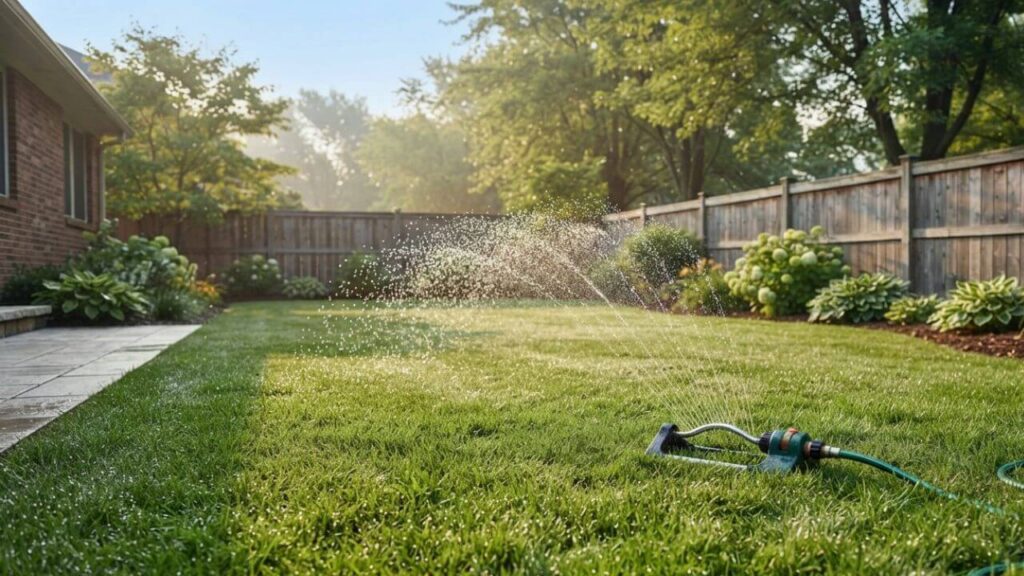
Instead of watering by the calendar, check your lawn and soil. Place a rain gauge or small containers around the sprinkler area to measure how much water you apply.
If water starts running down the driveway, stop the sprinkler for a while. Let the water soak in, then continue. This approach works better than trying to apply a large amount at once.
Best Time to Water Lawn in Summer
The best time to water lawn in summer is usually early morning. Morning watering allows grass blades to dry during the day while giving water time to soak into the soil.
Avoid routine evening watering when possible. Grass that stays wet overnight can face a higher risk of fungal disease, especially in humid climates.
Midday watering is not automatically useless, but evaporation can be higher during hot, sunny conditions. If local watering restrictions limit your options, follow those rules and water when permitted.
Summer Lawn Watering Tips
If you want to keep your lawn green in summer, focus on efficient watering rather than simply watering more often.
Use these practical steps:
- Water early in the morning.
- Check soil moisture before watering.
- Fix broken sprinkler heads.
- Adjust sprinklers to avoid sidewalks and driveways.
- Use a rain gauge to track rainfall.
- Water deeply enough to moisten the root zone.
- Follow local drought restrictions.
Newly planted grass and fresh sod need different care from established lawns. Follow the watering recommendations for your specific grass type during establishment.
3. How to Mow Your Lawn in Summer
How to mow lawn in summer depends heavily on the type of grass you grow. The correct mowing height protects the crown and root system from heat stress.
Avoid cutting grass extremely short to reduce mowing frequency. Short grass has less leaf surface available for photosynthesis and may expose the soil to more heat.
A useful rule is to remove no more than one-third of the grass blade at one mowing. If your lawn has become very tall, raise the mower and reduce the height gradually.
Best Mowing Height for Summer
The best mowing height for summer depends on your grass type. Warm-season grasses often tolerate shorter mowing than cool-season grasses, but each species has an ideal range.
| Grass type | Typical mowing range |
|---|---|
| Bermuda | About 0.5–2 inches |
| Zoysia | About 0.5–2.5 inches |
| St. Augustine | About 2.5–4 inches |
| Tall fescue | About 2.5–4 inches |
| Kentucky bluegrass | About 2–3.5 inches |
These are broad ranges. Cultivar, mower type, climate, and lawn conditions can change the ideal height. Follow recommendations from your local extension service for the best results.
Should You Mow Grass in Hot Weather?
Yes, you can mow during summer, but timing matters. Avoid mowing severely drought-stressed grass unless necessary. If the grass is already struggling from heat, cutting it too short can increase stress.
Mow when the grass is dry enough for clean cutting. Avoid mowing during the hottest part of the day when possible. Early morning or late afternoon can be more comfortable, but never mow wet grass if it causes clumping or unsafe conditions.
Keep mower blades sharp. A dull blade tears grass instead of making a clean cut. Torn grass can look ragged and may be more vulnerable to stress.
4. How to Keep Grass Green in Summer
Learning how to keep grass green in summer starts with realistic expectations. Not every lawn should stay perfectly green during extreme heat or drought.
Your grass type plays a major role. Warm-season grasses usually perform well in summer heat. Cool-season grasses may slow down or turn brown during severe summer weather.
To help maintain healthy color:
- Water based on soil and weather conditions.
- Mow at the correct height.
- Avoid unnecessary traffic during heat waves.
- Keep mower blades sharp.
- Improve compacted soil when conditions allow.
- Control weeds that compete for water.
- Avoid excessive fertilizer during heat stress.
A lawn that turns slightly brown during drought may recover after rainfall. Do not immediately assume you need to replace the entire lawn.
If you want a lawn that handles dry conditions better, consider grass species suited to your region. The best drought tolerant grass for your yard depends on climate, soil, sunlight, and water availability.
5. Brown Grass in Summer: What Causes It?
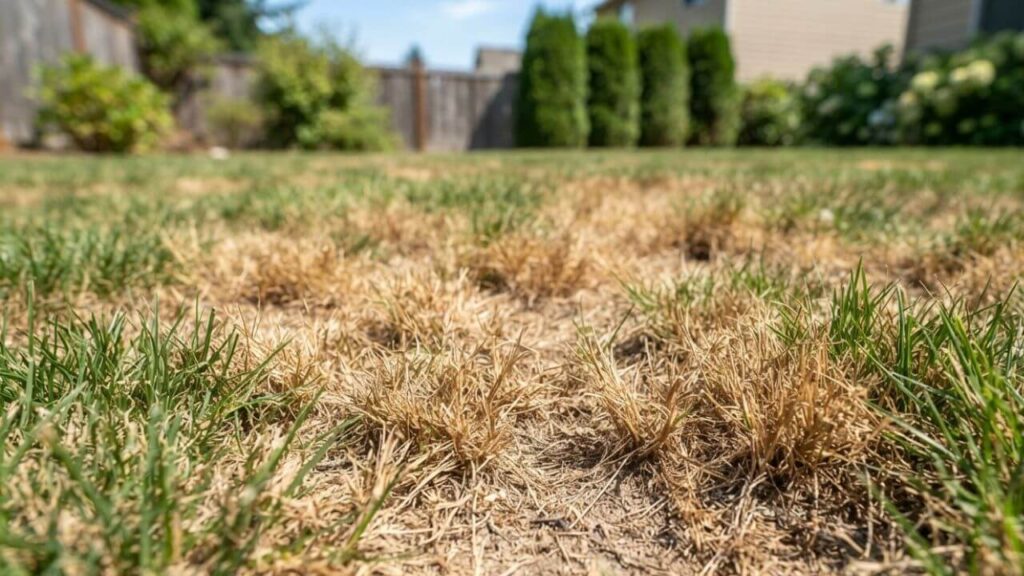
Brown grass in summer is one of the most common concerns for homeowners. The cause may be drought, heat stress, poor irrigation, disease, insects, or natural dormancy.
If the entire lawn gradually turns brown during a hot, dry period, drought stress is a likely cause. If only small irregular patches appear, investigate further.
Look for these clues:
- Uniform browning: Drought or dormancy may be responsible.
- Small irregular patches: Check for insects or disease.
- Brown areas near sidewalks: Heat from hard surfaces may increase stress.
- Circular patches: Disease may be involved.
- Grass that pulls up easily: Check for root damage or insects.
Do not water blindly. Identify the pattern first.
How to Fix Brown Grass in Summer
How to fix brown grass in summer depends on the cause. If drought caused the problem, restore moisture gradually when water restrictions allow.
Avoid flooding extremely dry soil with a huge amount of water all at once. Water may run off instead of soaking into the soil. Use shorter irrigation cycles with breaks between them if runoff occurs.
If the lawn has fungal disease or insect damage, extra water may make the problem worse. Inspect the grass and roots before changing your watering routine.
6. Managing Lawn Heat Stress
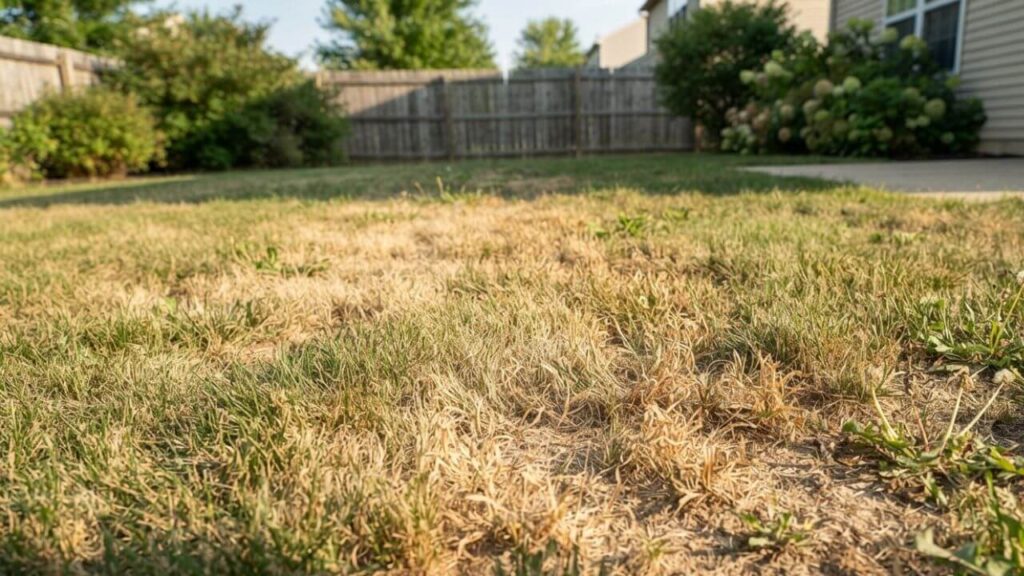
Lawn heat stress occurs when grass loses water faster than its roots can replace it. High temperatures, dry wind, poor soil, and shallow roots can make the problem worse.
Signs include wilting, leaf rolling, fading color, and slow growth. Some grasses may become dormant during prolonged drought.
During a heat wave, reduce unnecessary stress. Keep mower blades sharp and avoid aggressive mowing. Limit heavy foot traffic and postpone major lawn renovation projects until conditions improve.
Do not apply large amounts of fertilizer to severely heat-stressed grass. Fertilizer can increase growth demands when the plant is already under stress.
7. Summer Lawn Fertilizer: Should You Feed Your Grass?
Fertilizing lawn in summer requires careful timing. The right approach depends on your grass type and current weather.
Warm-season grasses actively grow during summer and may benefit from appropriate fertilization during their growing season. Cool-season grasses may struggle during extreme heat and should not receive heavy nitrogen applications during severe summer stress.
Before applying fertilizer, consider:
- Grass type
- Soil fertility
- Recent rainfall
- Current temperature
- Drought conditions
- Local fertilizer restrictions
A soil test can help determine whether nutrients are actually needed. This is more reliable than applying fertilizer because the lawn looks slightly pale.
If your lawn is under severe heat or drought stress, I recommend focusing on water management and mowing first. Healthy roots and proper moisture are more important than pushing rapid growth.
8. Summer Lawn Weed Control
Summer lawn weeds compete with grass for water, sunlight, and nutrients. Heat and drought can make weed control more challenging because stressed grass has less ability to compete.
The best approach depends on the weed species and your grass type. Broadleaf weeds, grassy weeds, and sedges require different control methods.
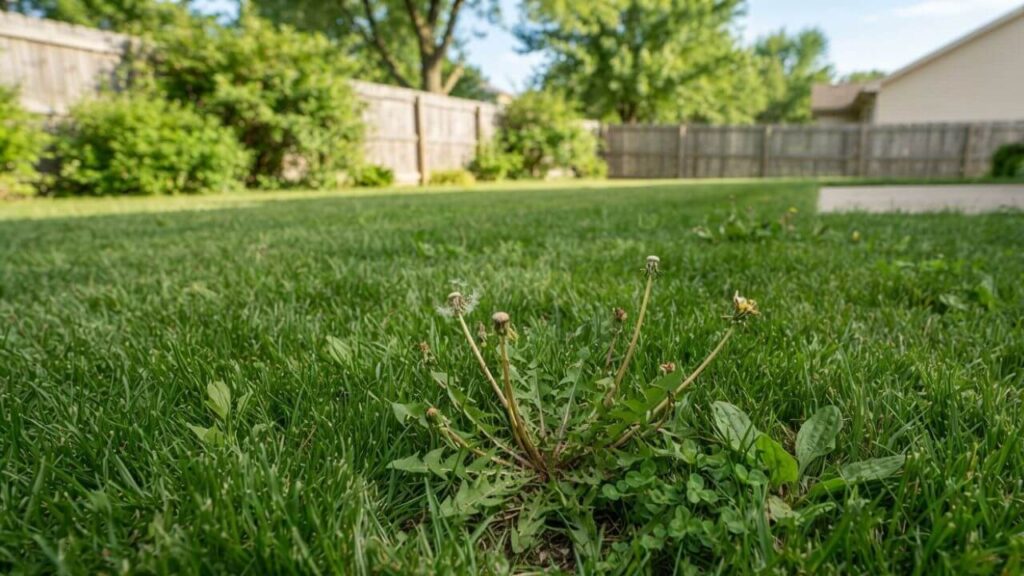
For summer lawn weed control, start with prevention:
- Maintain a dense, healthy lawn.
- Mow at the correct height.
- Water deeply when needed.
- Avoid overwatering.
- Remove weeds before they produce seeds.
- Use appropriate herbicides only when necessary.
Be careful with herbicides during extreme heat. Some products can injure turf when temperatures are high. Always read and follow the product label, including temperature restrictions and application rates.
9. Lawn Care During a Heat Wave
Lawn care during a heat wave should focus on reducing stress rather than forcing growth.
If temperatures remain unusually high, adjust your routine. Avoid aggressive mowing, heavy fertilizing, and unnecessary lawn renovations.
Prioritize:
- Proper irrigation when permitted.
- Correct mowing height.
- Reduced foot traffic.
- Monitoring for pests and disease.
- Avoiding chemical treatments that may stress the grass.
If your lawn enters dormancy, do not assume it has died. Many grasses can survive periods of drought and recover when conditions improve.
However, extremely long periods of drought can cause permanent damage. Follow local water restrictions and prioritize valuable landscape plants if water supplies are limited.
10. Choosing the Best Grass for Hot Weather
The best grass for hot weather depends on where you live. Warm-season grasses generally handle summer heat better than cool-season grasses.
Common warm-season options include:
- Bermuda grass
- Zoysia grass
- St. Augustine grass
- Centipede grass
- Bahia grass
Bermuda can handle heat and drought well once established. Zoysia offers good heat tolerance and creates a dense lawn. St. Augustine performs well in warm, humid regions but may have higher water needs and disease concerns.
For cooler regions, tall fescue can provide better summer performance than some other cool-season grasses because of its deeper root system. However, it may still need irrigation during prolonged drought.
The best grass seed for hot weather is the one suited to your USDA growing region, soil, sunlight, and water availability. Check local university extension recommendations before reseeding or replacing a lawn.
11. Common Summer Lawn Problems
Summer creates several lawn problems that can look surprisingly similar. A brown lawn may need water, but it could also have disease or insect damage.
Common summer lawn problems include:
- Drought stress
- Heat stress
- Brown grass
- Lawn weeds
- Insect damage
- Fungal disease
- Soil compaction
- Poor irrigation coverage
- Mowing stress
Walk across your lawn and look for patterns. Check sprinkler coverage by placing containers in different areas. Inspect damaged grass closely and look at the soil surface.
Lawn Disease in Summer
Lawn disease in summer can become more noticeable during warm, humid weather. Some fungal diseases thrive when grass stays wet for long periods.
Avoid watering late in the evening. Improve airflow where possible and avoid excessive nitrogen applications.
If you see expanding patches, unusual rings, or persistent spots, take photos and contact your local extension service for help identifying the problem. Correct diagnosis matters because different diseases require different treatments.
12. How to Protect Your Lawn From Heat and Drought
Knowing how to protect lawn from heat is especially important during long periods of extreme weather. The best protection starts before severe stress arrives.
Build healthy soil, maintain proper mowing height, and encourage deeper roots through appropriate irrigation. Avoid frequent shallow watering that only moistens the top layer of soil.
During drought, follow local restrictions. Do not waste water trying to maintain perfect green color if your community has mandatory conservation rules.
Consider replacing high-water areas with drought-tolerant landscaping where appropriate. You can also reduce lawn size in difficult areas and use native or climate-adapted plants.
A healthy lawn does not need to look perfect every day. The goal is to create turf that can survive seasonal stress and recover when conditions improve.
13. A Simple Summer Lawn Care Schedule
A consistent routine makes summer grass care easier. Use this schedule as a starting point, then adjust it for your grass type and local climate.
Weekly
- Check soil moisture.
- Inspect for brown patches.
- Look for weeds and pests.
- Check sprinkler coverage.
- Mow when needed.
- Avoid cutting more than one-third of the blade.
Every Few Weeks
- Inspect mower blades.
- Check irrigation equipment.
- Look for signs of disease.
- Monitor areas near sidewalks and driveways for heat stress.
During Extreme Heat
- Avoid unnecessary mowing.
- Reduce foot traffic.
- Do not fertilize severely stressed grass.
- Water according to local restrictions.
- Watch for signs of drought stress.
The best summer lawn care guide is one you can adjust. Weather changes quickly, so your lawn’s needs may change from one week to the next.
FAQ
How often should I water my lawn in summer?
Many established lawns need about 1 inch of water per week from rainfall and irrigation during active growth. Soil type, grass species, weather, and drought conditions can change this amount.
What is the best time to water a lawn in summer?
Early morning is usually the best time because it reduces evaporation and allows grass to dry during the day. Follow local watering restrictions when they apply.
How do I keep my lawn green during summer?
Water deeply when needed, mow at the correct height, avoid excessive fertilizer during heat stress, and choose grass suited to your climate.
Why is my grass turning brown in summer?
Brown grass may result from drought, heat stress, natural dormancy, disease, insects, or poor irrigation. Look at the pattern of damage and check soil moisture before taking action.
Should I fertilize my lawn in summer?
It depends on the grass type and weather. Warm-season grasses may benefit from proper summer fertilization, while cool-season grasses under severe heat stress may not.
Should you mow grass in hot weather?
You can mow during hot weather if the grass is healthy enough to handle it. Avoid aggressive mowing during severe drought and never remove more than one-third of the blade at once.
Conclusion
Good summer lawn care is less about keeping your grass perfectly green and more about helping it handle heat, drought, and seasonal stress. Water deeply when needed, mow at the right height, avoid unnecessary fertilizer during extreme heat, and monitor your lawn for weeds, pests, and disease.
If your grass turns brown, do not immediately assume it is dead. Check the soil, look at the pattern of damage, and consider your grass type and recent weather. Some lawns naturally enter dormancy during drought and can recover when conditions improve.

I enjoy sharing simple gardening ideas, lawn care tips, and honest product reviews that help make outdoor work easier. From home gardening guides to helpful tools and lawn care advice, I write easy-to-follow content to help readers create a healthier and better-looking outdoor space without wasting time or money.