As an Amazon Associate, I earn from qualifying purchases.
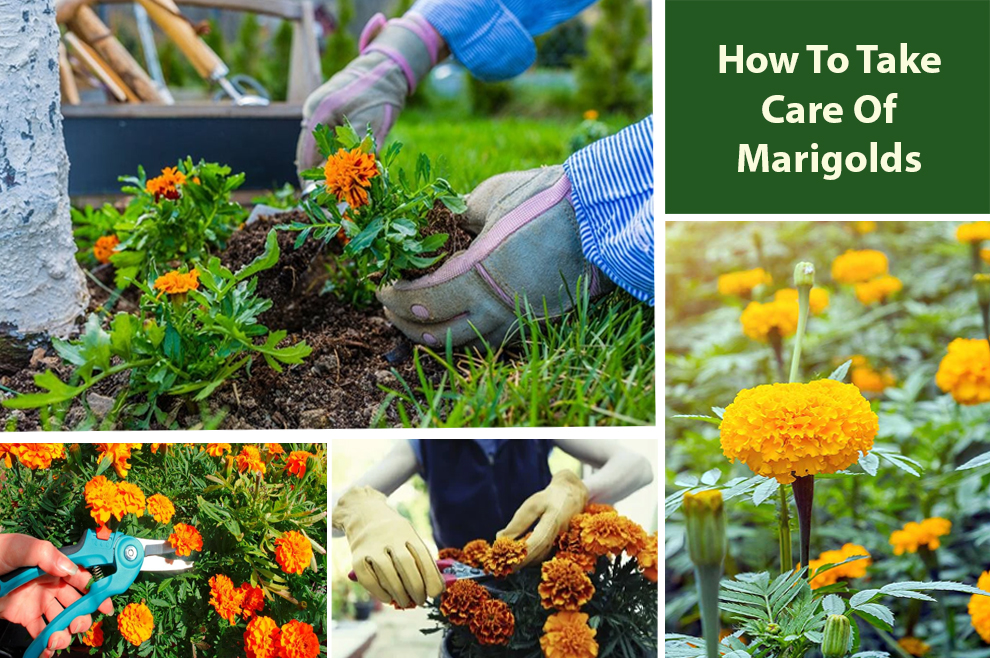
marigolds grow best with at least six hours of direct sunlight, well-drained soil, regular watering when the soil begins to dry, and occasional feeding in poor soil. Remove faded flowers to encourage more blooms, and give plants enough space for good airflow.
Across the United States, marigolds are a familiar sight in front-yard flower beds, porch containers, vegetable gardens, and sunny borders. These bright annual flowers can handle ordinary summer conditions once established, making them useful for gardeners who want plenty of color without a demanding care routine. They still need the right balance of sunlight, moisture, soil, and warmth to perform well.
Learning how to take care of marigold plant starts with a simple habit: check the growing conditions before changing the care routine. A plant with drooping leaves may need water, but soggy soil can cause similar symptoms. A marigold with few flowers may need more sunlight rather than more fertilizer. Matching the response to the cause helps protect the roots and supports steady growth.
Marigolds include several common garden types, such as French marigolds, African marigolds, and signet marigolds. Their mature size, flower shape, and tolerance of growing conditions can differ, but most benefit from full sun and soil that drains well. The following guide explains how to plant, water, feed, prune, and troubleshoot marigolds in American gardens, from humid Southern summers to cooler Northern growing seasons.
1. Choose the Right Marigold and Planting Location
Start with a marigold variety that fits the space. French marigolds usually stay relatively compact and work well along walkways, in small beds, and in pots. African marigolds, also called American marigolds in some gardening references, often grow taller and produce large flower heads. Signet marigolds tend to have fine foliage and small flowers that suit borders and edible landscapes.
The plant label can help you estimate mature height, spread, and spacing. These details matter because a crowded marigold bed can hold moisture around the leaves and make routine care harder. Choose plants with firm stems, healthy green foliage, and no obvious signs of pests or disease.
Pick a location that receives plenty of direct sun. In most parts of the United States, a south-facing or west-facing garden bed may provide enough light, although nearby trees, fences, and buildings can cast shade during parts of the day. Watch the location for a full day before planting if you are unsure about its light exposure.
Source: gardening.org
French marigolds
A practical option for edging, small containers, and low flower borders. Check the variety label for its final height and spread.
African marigolds
Often taller, with large flower heads that can stand out in beds and cutting gardens. Give them enough room to grow.
Signet marigolds
Useful for fine-textured borders and containers. Their smaller flowers and foliage create a different look from larger marigold types.
How Much Sunlight Do Marigolds Need?
Aim for at least six hours of direct sunlight daily. More sunlight is often helpful when temperatures are moderate, while deep shade can lead to weak stems, fewer flowers, and a plant that stretches toward the nearest light source. Bright indoor light through a window is not usually a substitute for outdoor direct sun.
In very hot areas, such as parts of Texas, Arizona, and the Deep South, afternoon heat can stress plants in small containers. Marigolds generally still need abundant light, but a pot may benefit from protection during the harshest afternoon heat if it dries too quickly. Keep the plant in a bright location rather than moving it into deep shade.
Signs of enough light
Compact growth, sturdy stems, healthy leaves, and flowers that develop in season.
Plant marigolds outdoors after the danger of frost has passed and the soil has warmed. They are warm-season flowers and do not tolerate freezing conditions well. In much of the northern United States, this means planting in spring after local frost risk declines, while warmer regions may allow an earlier planting window.
Use local frost dates as a guide rather than a fixed national calendar. Coastal areas, mountain regions, and inland locations can have very different spring weather even within the same state. For a longer display, you can sow or plant in stages when local temperatures and the growing season allow.
Before planting
Harden off nursery seedlings by gradually exposing them to outdoor conditions over several days, especially if they were grown indoors or in a sheltered greenhouse.
After planting
Water the root zone well and monitor the soil as roots establish. Avoid leaving young plants in waterlogged ground.
2. Prepare Soil That Drains Well
Marigolds grow in many ordinary garden soils, but good drainage is essential. Their roots need both moisture and air. Soil that stays saturated for long periods can limit oxygen around the roots and raise the risk of root problems.
Before planting, loosen compacted soil and remove large stones or debris. If your garden soil is heavy clay, improve the bed structure with suitable organic matter and consider using a raised bed if drainage remains poor. Avoid trying to fix heavy clay by adding a small amount of sand, which may not improve its structure and can create a dense mix.
For containers, use a quality potting mix made for outdoor plants rather than dense garden soil. Choose a pot with drainage holes so excess water can escape. A decorative outer pot without drainage can trap water even when the inner growing mix seems suitable.
Source: homebnc.com
Should You Add Compost or Fertilizer Before Planting?
A modest amount of finished compost can improve the structure of many garden beds and help support soil life. Mix it into the planting area rather than piling it against the stems. If the soil is already fertile, extra amendments may not be necessary.
Marigolds are not heavy feeders in every setting. Rich soil or frequent high-nitrogen fertilizer can encourage leaf growth while reducing flowering. If you plan to fertilize, use the product label and the needs of your soil as guides rather than assuming more nutrients will create more flowers.
Garden beds
Improve drainage and soil structure first. Use finished compost when it suits the soil, and avoid excessive fertilizer.
Containers
Use a well-draining potting mix and a pot with open drainage holes. Replace compacted or poorly draining mix when needed.
How Much Space Should You Leave Between Plants?
Follow the spacing on the seed packet or nursery label because marigold varieties differ in size. Compact types may need less room than tall varieties with broad foliage. Spacing plants properly lets air move through the leaves and gives roots room to expand.
It can be tempting to pack young plants tightly for an instant wall of color. However, crowded plants may compete for light, water, and nutrients as they mature. A little open space at planting time often creates a healthier display later in the season.
Use mature spread
Base spacing on the plant’s expected width rather than the size of the seedling at purchase.
Avoid buried stems
Set plants at about the same depth they grew in their nursery containers, keeping the stem base clear of excess soil.
3. Water Marigolds the Right Way
Water marigolds deeply enough to moisten the root zone, then allow excess water to drain away. Check the soil before watering instead of using the same schedule every day. Weather, plant size, soil type, container size, and wind all affect how quickly moisture disappears.
For garden beds, press a finger into the soil near the plant. If the upper inch or so feels dry, check slightly deeper and water if the root zone is beginning to dry. Newly planted marigolds need closer monitoring while their roots establish, whereas established plants in suitable soil may need less frequent watering.
Containers often dry faster than garden beds, particularly during hot, windy weather. Check pots daily during heat waves and water when needed. If water runs straight through the pot, the mix may have become too dry to absorb moisture evenly, or the water may be flowing through gaps around the root ball.
Source: i.pinimg.com
How to Water Without Damaging the Plant
Aim water at the soil around the base of the plant. A watering can with a gentle spout or a low-flow hose setting helps prevent soil from splashing onto leaves. Morning is often a convenient time because plants can take up water before the hottest part of the day.
Avoid frequent, shallow sprinkling that wets only the soil surface. It can encourage roots to remain near the top, where moisture changes quickly. Deep watering followed by a suitable drying period helps support a more stable root system.
Check before watering
Feel the soil instead of relying only on drooping leaves, which can result from both dry soil and damaged roots.
Water at the base
Direct water toward the root zone and avoid routinely soaking the foliage, especially when airflow is poor.
Empty standing water
Do not leave a container sitting in a full saucer for long periods. Remove excess water after it drains.
How Often Should You Water Marigolds?
There is no single watering interval that fits every marigold. During a cool, rainy week, an established plant may need little or no extra water. During a hot spell, a plant in a small container may need water every day, sometimes more often if the pot dries very quickly.
Use the following table as a starting point, not a strict timetable. Soil moisture and plant condition should guide the final decision.
Newly planted marigolds
Check the soil frequently and keep the root zone evenly moist while roots establish, without leaving it saturated.
Established garden marigolds
Water when the root zone begins to dry, adjusting for rain, soil drainage, and heat.
Potted marigolds
Check daily in hot weather and water when the mix is dry enough to need moisture. Allow the pot to drain fully.
4. Feed Marigolds Without Reducing Flowering
Use fertilizer only when the soil or growing mix needs it. Marigolds growing in fertile garden soil may flower well without frequent feeding. Plants in containers have less soil to draw nutrients from, so they may need occasional feeding during active growth, depending on the potting mix and whether it contains a slow-release fertilizer.
Excess nitrogen is a common reason a plant produces lots of leaves but few flowers. Nitrogen supports leafy growth, and too much can shift the plant’s growth away from flowering. If your marigold looks lush but has few buds, check its sunlight, fertilizer history, and maturity before adding more plant food.
Choose a fertilizer labeled for flowering annuals or general container plants, and follow its directions for the growing situation. Do not combine several fertilizers simply to make the plant grow faster. More nutrients are not always better, and concentrated fertilizer can injure roots.
Source: i.pinimg.com
When Should You Fertilize?
If a soil test indicates a nutrient need, follow the recommendations for your garden bed. For containers, consider the type of potting mix and its existing nutrient supply. Some mixes include starter fertilizer or slow-release nutrients, so additional feeding may be unnecessary at first.
If plants are growing steadily and producing flowers, there is usually no need to increase feeding just because the calendar says it is time. If growth slows, first check temperature, moisture, drainage, root crowding, and sunlight.
Use the label rate
Follow the fertilizer label for application amount, timing, and frequency. Do not guess at a stronger dose.
Avoid excess nitrogen
Do not keep adding high-nitrogen fertilizer to a plant that has healthy leaves but few flowers.
Protect the roots
Never apply concentrated fertilizer directly against the stem or onto a very dry root ball unless the product label specifically directs otherwise.
5. Prune and Deadhead Marigolds for More Flowers
Deadheading means removing flowers that have faded or begun to dry. Many marigold varieties respond by producing new buds, provided they have enough sunlight, water, and suitable temperatures. It also keeps beds and containers looking neat as older flower heads turn brown.
Use clean fingers or garden snips to remove the spent flower head along with its short stem, cutting just above a healthy leaf or side shoot. Avoid cutting deep into the main stem unless you are intentionally trimming an overgrown plant. If you want seeds for next season, leave a few healthy flower heads to mature and dry instead.
Light pruning can help leggy marigolds branch. If a young plant is growing tall and sparse, pinch or trim the growing tip when appropriate for its variety and stage of growth. Do not remove too much foliage at once, because leaves supply the energy the plant needs to grow and flower.
Source: agriculturereview.com
How to Deadhead Step by Step
Inspect the plant every few days during active flowering. Look for flower heads with faded petals, browning centers, or dried stems, and remove them before they begin forming seed if your goal is continued flowering.
Make each cut just above a healthy leaf or branching point. If you are collecting seed, leave selected flower heads until the petals have dried and the seed heads have matured. Keep seeds from different varieties labeled if you plan to grow specific types again.
Remove faded heads
Cut off spent flowers and their short stems without damaging nearby buds.
Trim damaged growth
Remove dead or badly damaged leaves with clean tools, and discard diseased material rather than leaving it around the plant.
Keep some seed heads if desired
Allow selected flowers to mature when saving seed is more important than encouraging additional blooms.
6. Grow Marigolds in Pots and Window Boxes
Marigolds grow well in containers when the pot offers enough room for roots, adequate drainage, and direct sunlight. Compact French varieties are often easier to manage in small pots, while taller varieties need a larger container and enough space to keep their stems upright.
Select a container with drainage holes and fill it with fresh outdoor potting mix. Avoid filling the bottom with rocks to solve a drainage problem; a suitable mix and open drainage holes are more useful. If the container sits on a patio or deck, make sure water can escape without damaging the surface.
Container soil warms and dries more quickly than soil in a garden bed. During hot summer weather, check moisture daily and move the pot only if the new location still provides suitable light. A very small pot can make moisture control difficult, so moving to a larger container may help if roots fill the available space.
Source: i.pinimg.com
A Simple Container Care Routine
Check the soil, inspect the leaves, and remove faded blooms as part of a short regular routine. Rotate containers occasionally if one side receives much less light, and check that drainage holes are not blocked. If a potting mix becomes compacted or begins to repel water, assess whether it needs to be refreshed.
Do not let water collect in a decorative cover pot. If you use one, lift the growing pot out for watering when practical, allow it to drain, and return it only after the excess water has run off.
Choose the right pot
Match the container size to the variety’s mature size and use a pot with drainage holes.
Check moisture more often
Small pots and exposed patio containers can dry quickly during hot or windy weather.
Refresh nutrients carefully
Use the potting mix label and fertilizer directions to avoid feeding a mix that already contains enough nutrients.
7. Protect Marigolds From Heat, Rain, and Frost
Marigolds prefer warm weather, but extreme heat can still stress them. In hot parts of the United States, plants in exposed containers may wilt quickly as the potting mix loses moisture. Check the soil first, water when needed, and consider moving pots away from reflected heat from concrete or walls while preserving adequate sunlight.
Long periods of heavy rain can cause a different problem. Poorly drained soil may stay wet, roots can struggle, and dense foliage may remain damp. Improve drainage, avoid unnecessary watering during rainy periods, and give plants enough space for air to move between leaves.
Cold weather ends the growing season for most common garden marigolds. If frost is forecast, cover plants temporarily when practical and safe, but remember that frost-sensitive annuals may not recover from a hard freeze. In areas with mild winters, marigolds may continue growing during suitable weather, though performance varies by variety and local conditions.
Source: i.pinimg.com
Adjust Care to Your Region
Gardeners in the Northeast and Upper Midwest often plant marigolds after the last local frost and enjoy them through summer and early fall. The main concerns are cool spring soil, sudden cold snaps, and wet spells that delay planting or slow growth.
In the Southeast and Gulf Coast, warm weather may arrive early, but high humidity and frequent rain can increase the importance of airflow and drainage. In the Southwest and other hot, dry regions, containers may need more frequent moisture checks, while garden beds benefit from consistent watering during prolonged dry periods.
These are broad regional patterns, not fixed rules for every yard. Elevation, coastal influence, local rainfall, and the exact variety can change the best timing and care routine.
Cooler regions
Wait until frost danger has passed and the soil has warmed before planting outdoors.
Hot, dry regions
Monitor containers closely, water based on soil moisture, and reduce stress from reflected heat where possible.
Humid or rainy regions
Prioritize drainage, spacing, and prompt removal of badly diseased leaves.
8. Identify and Fix Common Marigold Problems
When a marigold looks unhealthy, start with the growing conditions before reaching for a treatment. Check soil moisture, drainage, sunlight, and recent weather. Then inspect both sides of the leaves and the stems for insects, spots, sticky residue, or other signs that point to a specific problem.
A single symptom rarely proves a single cause. Yellow leaves can result from overwatering, underwatering, nutrient problems, or normal aging of older foliage. Drooping leaves may reflect dry soil, damaged roots, or heat stress. Check the whole plant and its growing environment before making changes.
Remove badly damaged or diseased plant material with clean tools. If you suspect a pest or disease, identify it before applying any pesticide. Always follow the product label, including directions for the plant site, protective equipment, pollinator precautions, and any restrictions on edible crops.
Source: i.ytimg.com
Yellow Leaves
Yellow leaves often signal a problem with water or roots, but they can also occur as older leaves age. Feel the soil and check how quickly water drains. If the soil remains wet, pause watering until the root zone begins to dry and address poor drainage.
If the soil is soggy
Check drainage holes, standing water, and compacted soil. Do not add fertilizer to a plant with stressed roots before finding the cause.
If the soil is very dry
Water thoroughly and allow excess water to drain. Recheck the plant after it has had time to take up moisture.
Wilting Despite Regular Watering
A marigold can wilt in wet soil when its roots are short of oxygen or damaged. Do not assume that more water will help. Check the moisture several inches below the surface, inspect the pot’s drainage, and look for a persistent sour smell or other signs of root trouble.
Dry root zone
Water slowly until the root area is moist and excess water drains away.
Wet root zone
Stop adding water, improve drainage where possible, and let the soil dry to a suitable level.
Wilting during intense heat
Check the soil before watering again. A temporary midday droop may improve as conditions cool, but persistent wilting needs further inspection.
Few Flowers or No Buds
Poor flowering often points to inadequate sunlight, excess nitrogen, or a plant that is still establishing itself. Confirm that the marigold receives enough direct sun and review the fertilizer you have used. If the plant is otherwise healthy, give it time to mature rather than repeatedly adding nutrients.
Check sunlight
Move container plants to a sunnier location if shade is limiting growth, while avoiding unnecessary heat stress.
Review fertilizer
Avoid further high-nitrogen feeding when foliage is lush and flowering is poor.
Deadhead faded blooms when you want to encourage continued flowering instead of seed production.
Leaf Spots, Powdery Growth, or Insects
Leaf spots, discolored patches, or powdery growth can be signs of disease, but visual symptoms may overlap. Aphids and spider mites can also damage marigolds, particularly when plants are stressed. Look closely at new growth and the undersides of leaves to help identify the cause.
Improve airflow, avoid routinely wetting foliage late in the day, and remove heavily affected leaves when appropriate. For small pest outbreaks, a strong but gentle stream of water may dislodge some insects. Use a pesticide only when the pest is identified and the treatment is labeled for the intended use.
Inspect before treating
Look for visible insects, webbing, feeding damage, or spreading lesions instead of guessing at the problem.
Protect pollinators
Marigold flowers can attract visiting insects. Avoid spraying open blooms or active pollinators, and follow all label restrictions.
Remove severely affected plants when needed
If a plant has extensive damage and continues to decline, removing it may help limit the spread of some diseases. Do not compost material if local guidance or the suspected disease advises against it.
9. Keep Marigolds Healthy Through the Growing Season
A short weekly inspection can prevent many small issues from becoming larger ones. Look for fading flowers, damaged leaves, weeds, dry soil, and stems that have become crowded. Water as needed and remove plant debris that could shelter pests or disease.
During active growth, focus on consistent care rather than constant intervention. Marigolds do not need daily pruning, repeated fertilizer applications, or routine pesticide use when they are healthy. Too many changes can stress a plant that would do well with stable conditions.
As fall approaches, keep deadheading if the plant is still flowering and local temperatures remain suitable. Once frost kills the plant or flowering declines sharply, remove it from the bed and clear away diseased debris. If you want to grow marigolds again, plan the next planting around your local frost dates and available sunlight.
Source: embracegardening.com
A Practical Marigold Care Checklist
Use this checklist as a flexible routine. It is meant to help you notice changes, not force every plant into the same schedule.
Check sunlight
Make sure the plant continues to receive enough direct light as nearby plants grow or seasonal shadows change.
Check the soil
Feel the root zone before watering and look for standing water or unusually rapid drying.
Inspect leaves and stems
Look for yellowing, spots, insect activity, weak growth, or damage after storms.
Deadhead as needed
Remove faded flowers when continued bloom is the goal, while leaving selected flower heads if you want seeds.
Review feeding needs
Fertilize only when appropriate for the soil or container mix, and follow the label.
Frequently Asked Questions
Q
Do marigolds need full sun?
Yes. Most garden marigolds grow and flower best with at least six hours of direct sunlight each day. More light may support better flowering when temperatures are suitable, while deep shade can lead to weak growth and fewer blooms.
Q
How often should I water a marigold plant?
Water when the root zone begins to dry rather than following a fixed daily schedule. Established garden plants may need less frequent watering than container plants, especially during hot weather. Check the soil first because both dry roots and waterlogged roots can cause wilting.
Q
Should I remove dead flowers from marigolds?
Yes, if you want a tidy plant and continued flowering. Remove faded flower heads just above a healthy leaf or branching point. If you want to collect seeds, leave a few flower heads on the plant until they mature and dry.
Q
Why does my marigold have lots of leaves but few flowers?
Too little sunlight and excess nitrogen are common causes of poor flowering. Check how many hours of direct sun the plant receives and review its fertilizer use. A young plant may also need more time to mature, so avoid adding more fertilizer until you understand the cause.
Q
Can marigolds grow in pots indoors?
Marigolds can grow in containers, but most need several hours of direct sun to flower well. An indoor window may not provide enough light, especially during short winter days. A sunny outdoor patio or balcony is often more suitable when local weather is warm and frost-free.
Q
Do marigolds come back every year?
Most common garden marigolds are grown as annuals. They complete their life cycle in one growing season and usually die after frost. Some may self-seed if mature flower heads remain on the plant, but the new seedlings may not look exactly like the parent variety.
Q
Can I grow marigolds beside vegetables?
Yes. Marigolds can be planted near many vegetables if both crops have suitable sunlight, water, and space. However, planting marigolds does not guarantee protection from pests, and they should not replace crop rotation, regular inspection, or other appropriate pest management.
✦ Wrapping Up
Conclusion
Caring for marigolds is mostly about getting a few basics right. Give them enough direct sunlight, plant them in soil that drains well, water according to soil moisture, and avoid excessive fertilizer. Remove faded blooms when you want continued flowering, and inspect the plant regularly for early signs of stress.
The best routine will change with the weather, the variety, and whether your marigold grows in a garden bed or a pot. A container may dry out in a day during summer heat, while a garden bed may remain moist after rain. Pay attention to the plant and its root zone instead of following a rigid schedule.
For gardeners across the United States, marigolds can add bright color to summer beds, borders, and patio containers with relatively simple care. Start with the right location, keep drainage in mind, and correct problems by checking their likely cause. These habits help marigolds stay healthy and flower well through the suitable part of the growing season.
💡 Key Takeaway
Start today by checking how much direct sunlight your marigold receives and feeling the soil near its roots. Water only if needed, remove faded blooms, and confirm that excess water can drain freely.
I enjoy sharing simple gardening ideas, lawn care tips, and honest product reviews that help make outdoor work easier. From home gardening guides to helpful tools and lawn care advice, I write easy-to-follow content to help readers create a healthier and better-looking outdoor space without wasting time or money.